Outdoor LED Displays for Downtown Advertising & City Centers
In the middle of the digital age, cities have become highly competitive advertising environments. There is always an audience, interaction is always possible, and the
Dive into our articles to see how businesses, churches, creators, and event teams use LED screens for impact, clarity, and reliability. Learn what to buy, how to set up, and how to get the most out of your display.
Navigating an entertainment district during a major event can quickly become frustrating. Crowd patterns can change within minutes, while static signage cannot. A shifted entrance, a show starting, or congestion at a key intersection can make fixed directions outdated almost immediately.
When navigation becomes difficult, the impact reaches beyond visitor inconvenience. Confusion can slow pedestrian flow, create bottlenecks, and place extra pressure on staff. Most guests are unfamiliar with the district, and a route that worked earlier may no longer be practical once crowds build.
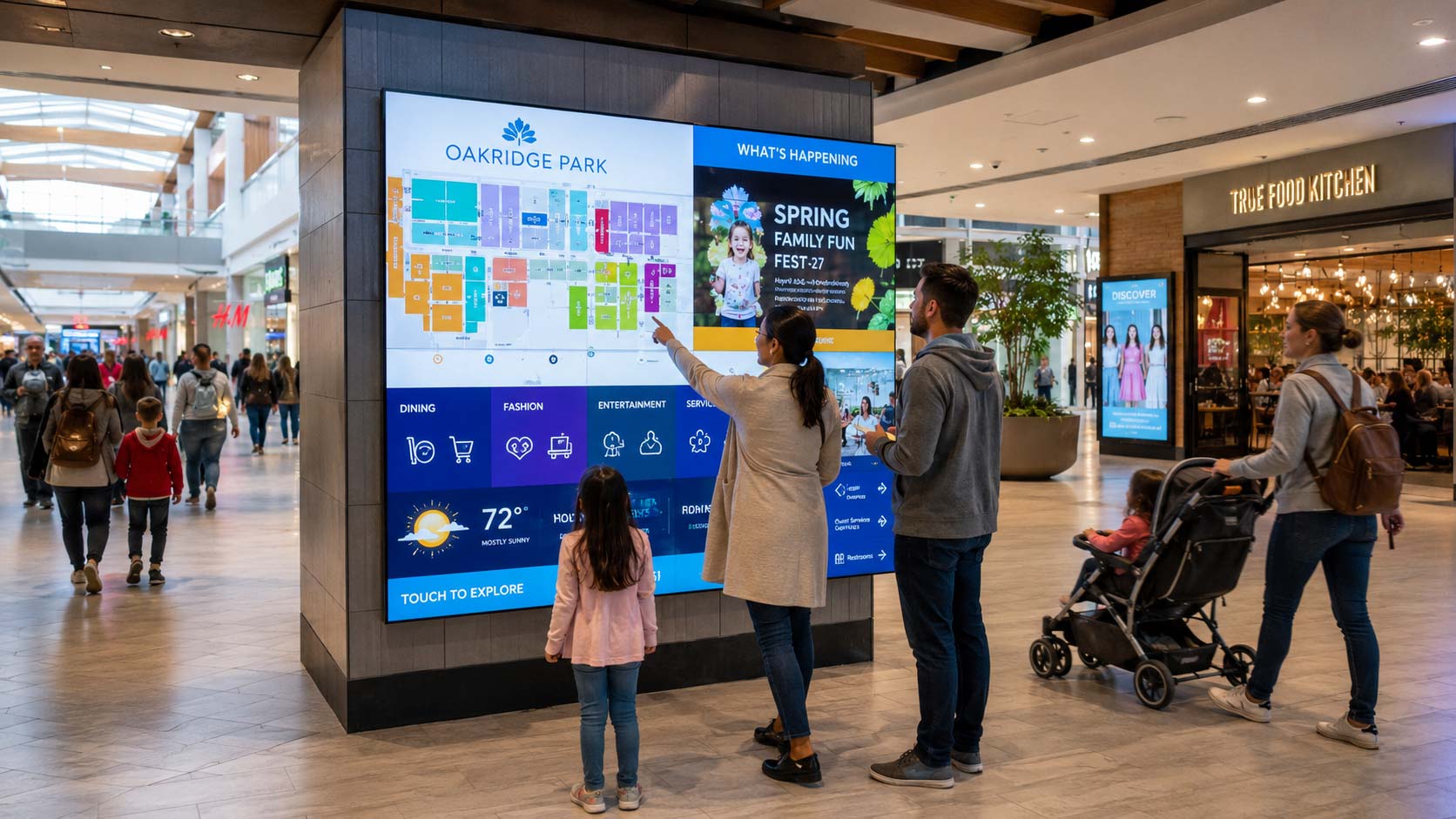
This is where LED digital wayfinding becomes valuable. Dynamic signage can adapt to real conditions, helping redirect foot traffic, highlight destinations, and update information based on event schedules, crowd movement, or changing access points. Well-planned LED video walls can support this system while also strengthening the overall visitor experience.
Designing content for busy public spaces requires a different approach from traditional print or desktop media. People in motion need information they can understand almost instantly. Clear hierarchy, simple directions, and fast visual recognition matter more than decorative detail.
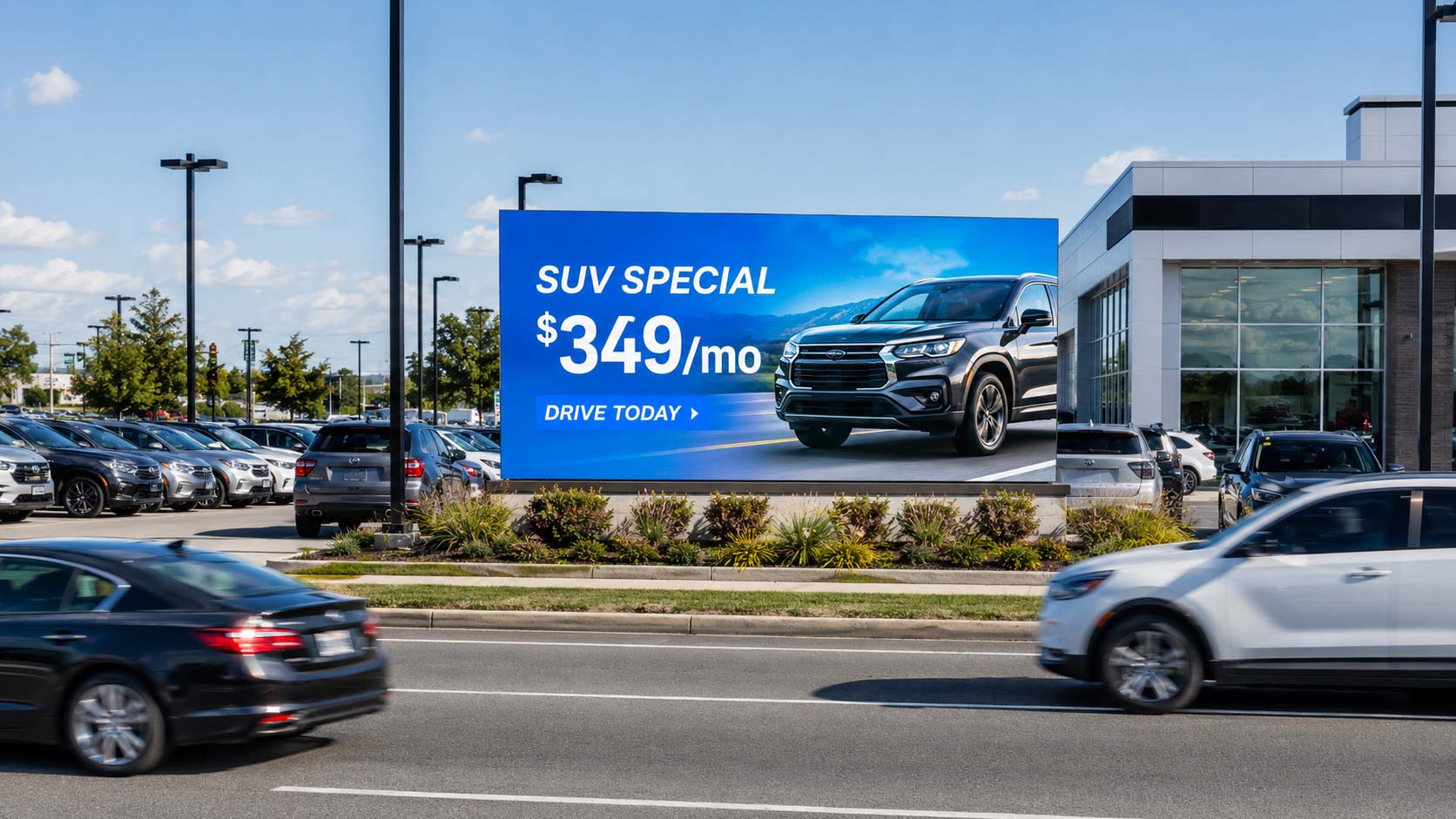
Dealership sales depend on visibility, timing, and inventory turnover. Yet vehicle availability, pricing, and promotions can change daily, while printed signage often takes days to update. By the time a banner is designed and installed, the featured vehicle may already be sold, leaving customers with outdated information.
Outdoor LED technology turns the dealership’s street-facing space into a flexible, real-time marketing channel. It can capture attention within seconds, spotlight priority vehicles, and update offers without the cost or delay of reprinting.
Using LED video walls effectively does not require advanced technical knowledge. The goal is simple: bring more qualified traffic into the showroom, give slower-moving vehicles greater exposure, and support faster inventory turnover.
A dealership lot changes constantly, but printed communication remains fixed. That mismatch creates missed opportunities, especially when the vehicles, pricing, and financing options visible outside no longer reflect what the sales team is actively promoting.
Purchasing professional display equipment is only the beginning of the investment. While the initial budget usually focuses on hardware and installation, the long-term value of LED technology depends on how well the system is operated, cleaned, calibrated, and supported after launch. For LED video walls and LED display panels, routine care helps preserve image quality, prevent avoidable failures, and extend the equipment’s useful life.
After installation, owners should plan for periodic cleaning, calibration, software updates, replacement parts, and technical access. These expenses are not necessarily high, but they become harder to control when maintenance is treated as an afterthought. A practical plan makes future service more predictable and helps the system continue delivering a strong return.
Below, we analyze what actually happens after installation and how to anticipate costs to avoid surprises in your operating budget.
For businesses, venues, churches, schools, hotels, and restaurants, a large visual installation can be a major investment. The budget may include the screen, mounting hardware, control systems, video processing, installation, configuration, training, and support. That is why the decision should be based on the complete project—not the product price alone.
Financing can turn a large purchase into a planned business investment. By spreading costs over time, an organization may preserve cash for staffing, marketing, inventory, or expansion while the system begins supporting communication, visibility, and customer engagement. The goal is not simply to make the purchase affordable, but to align it with measurable business priorities.
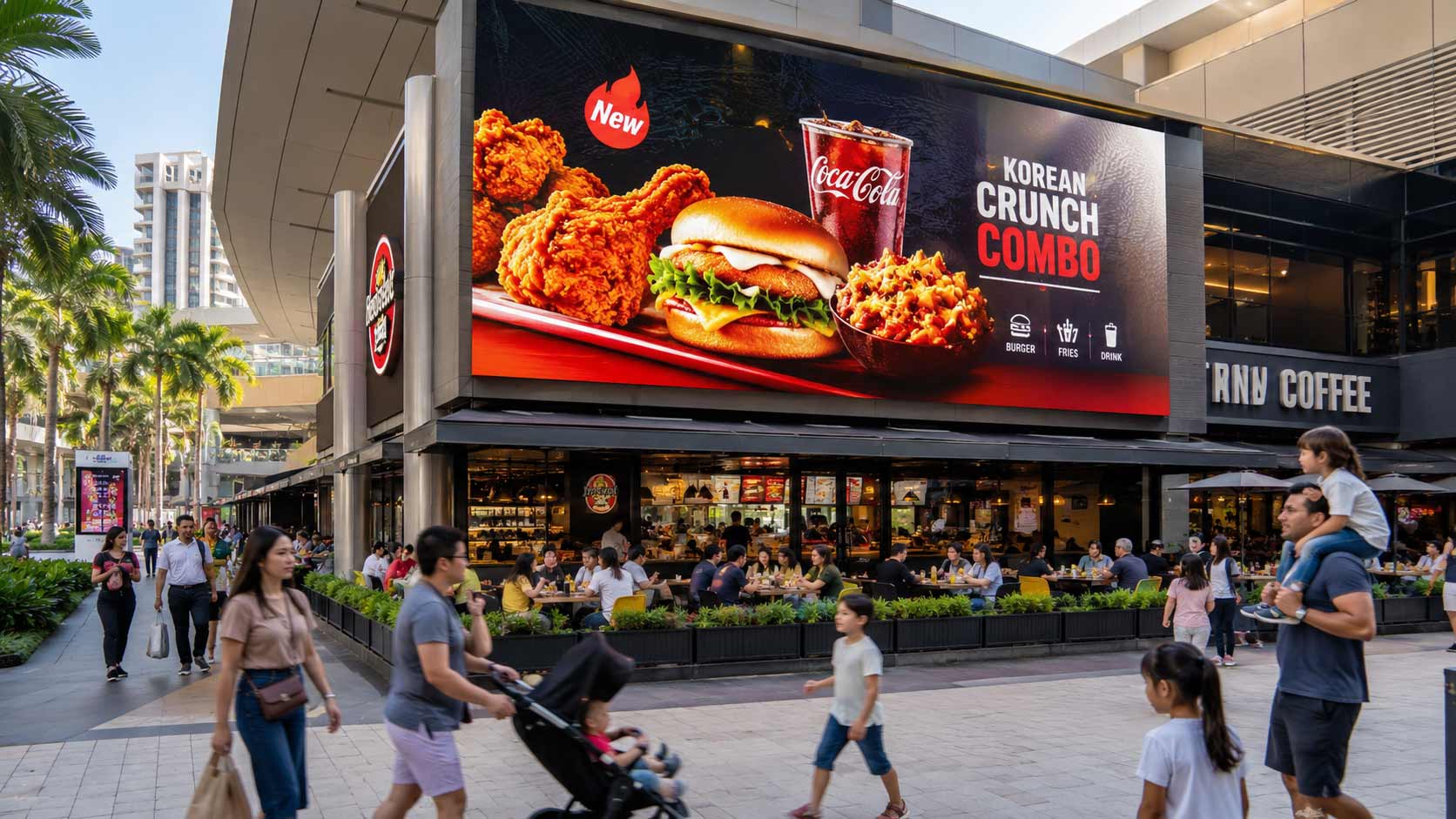
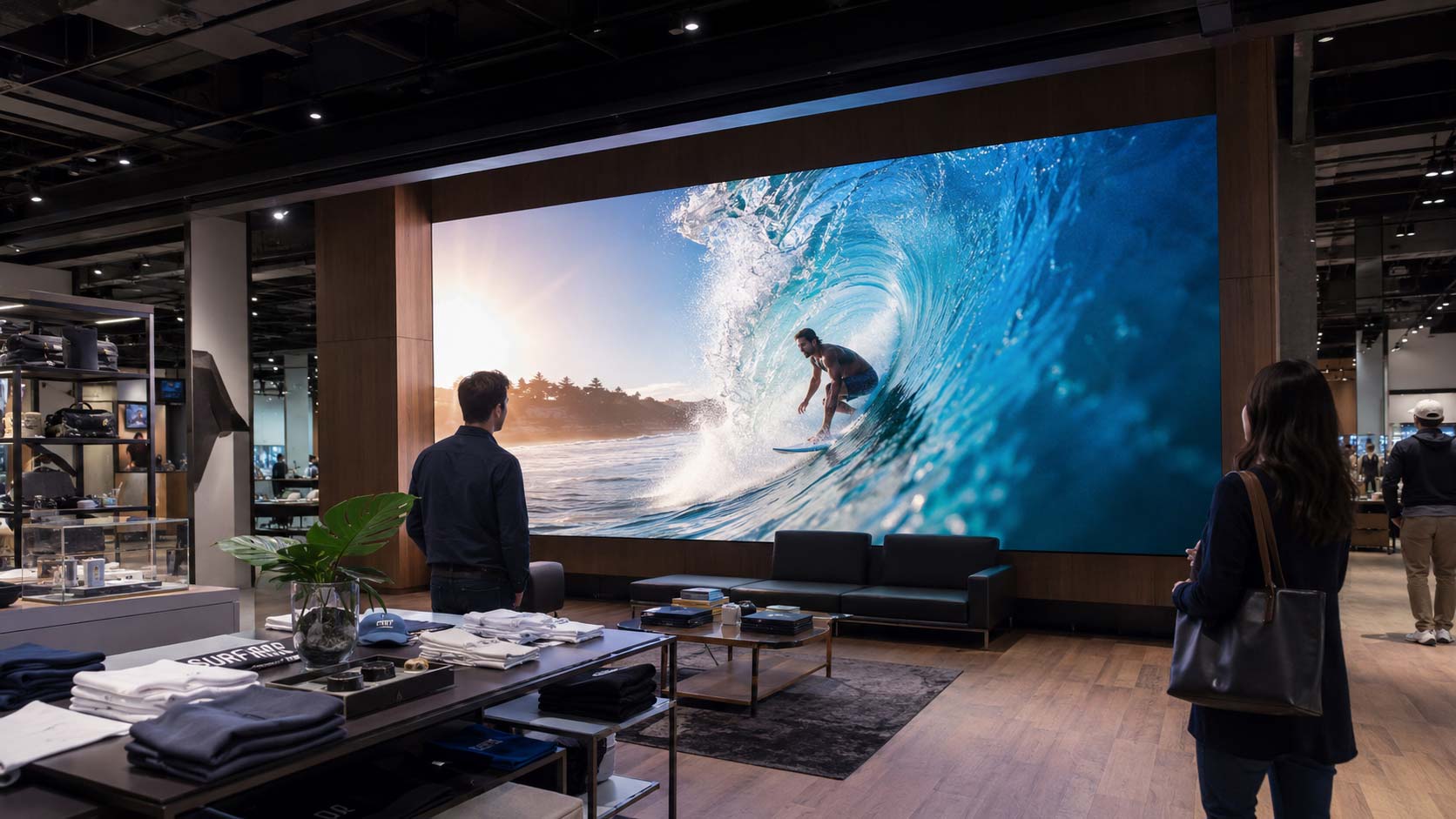
When visitors enter a shopping center, they step into a busy environment filled with storefronts, signs, food courts, event announcements, and constant movement. In that setting, attention is hard to earn. Static signage often blends into the background, while LED video walls create a stronger visual presence without interrupting the flow of the space.
Used strategically, these screens help shopping centers communicate with visitors in real time. They can support wayfinding, promote tenant offers, highlight events, and create a more polished atmosphere. The result is better visibility, smoother navigation, and more reasons for people to move toward key areas.
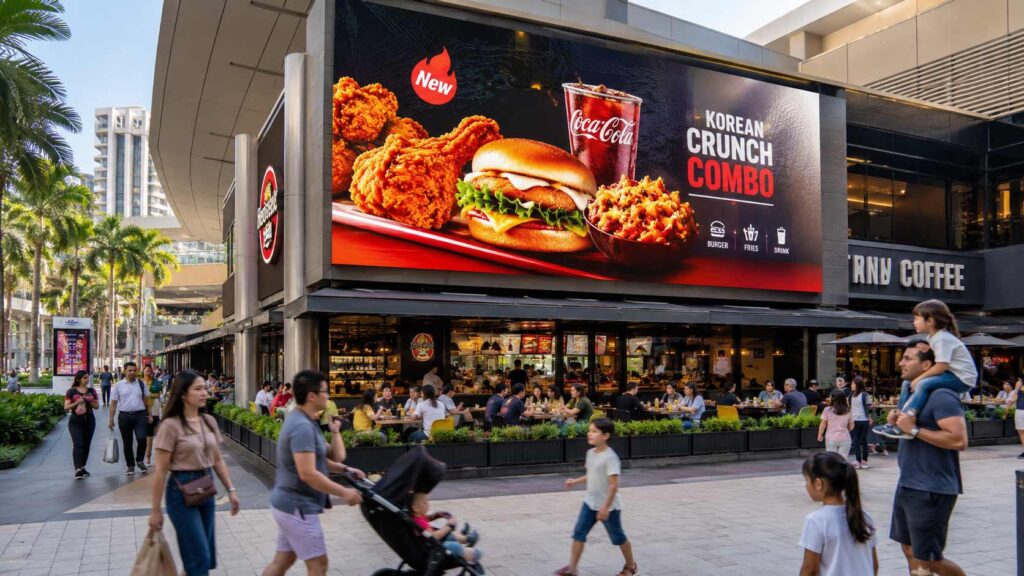
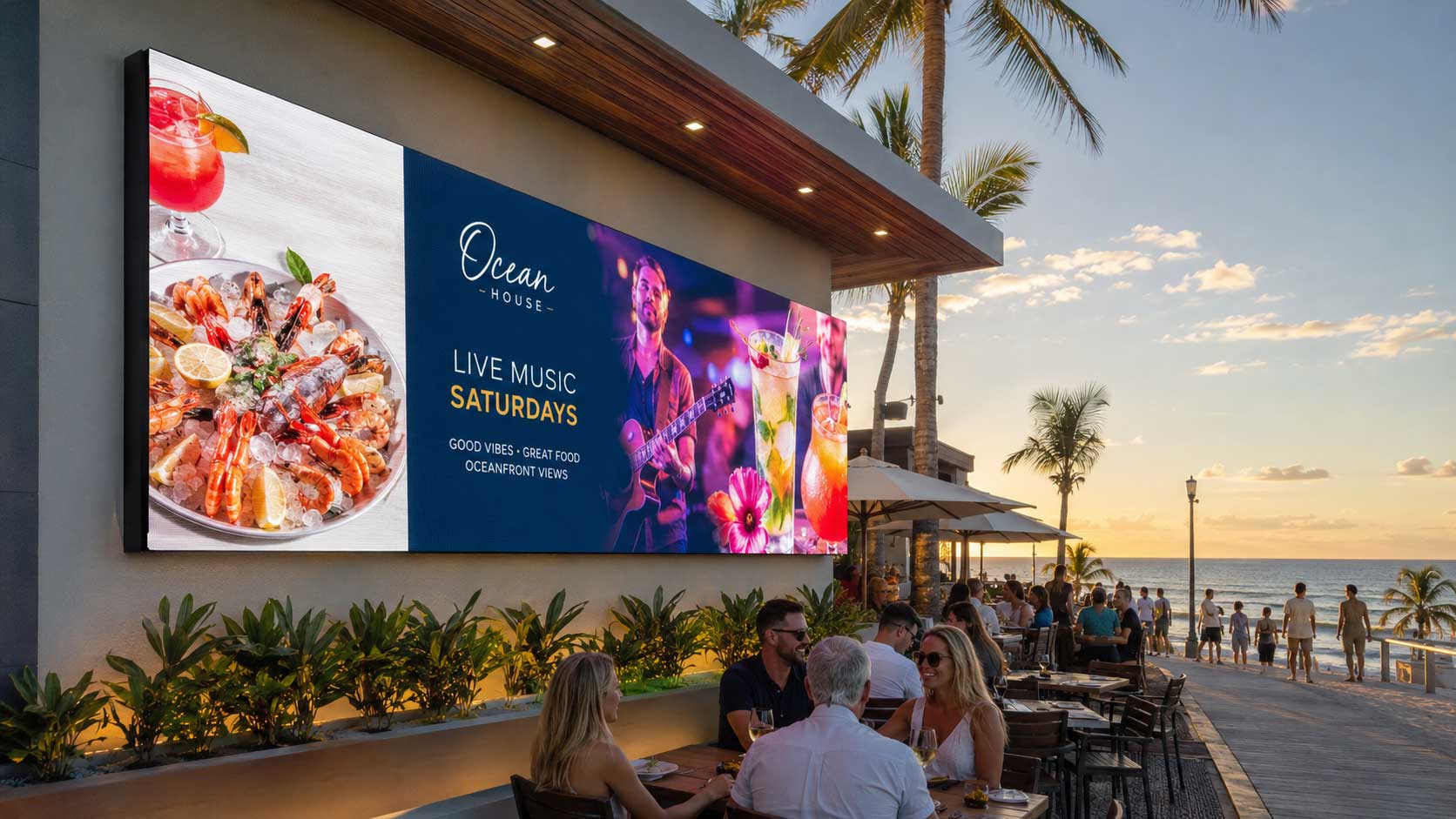
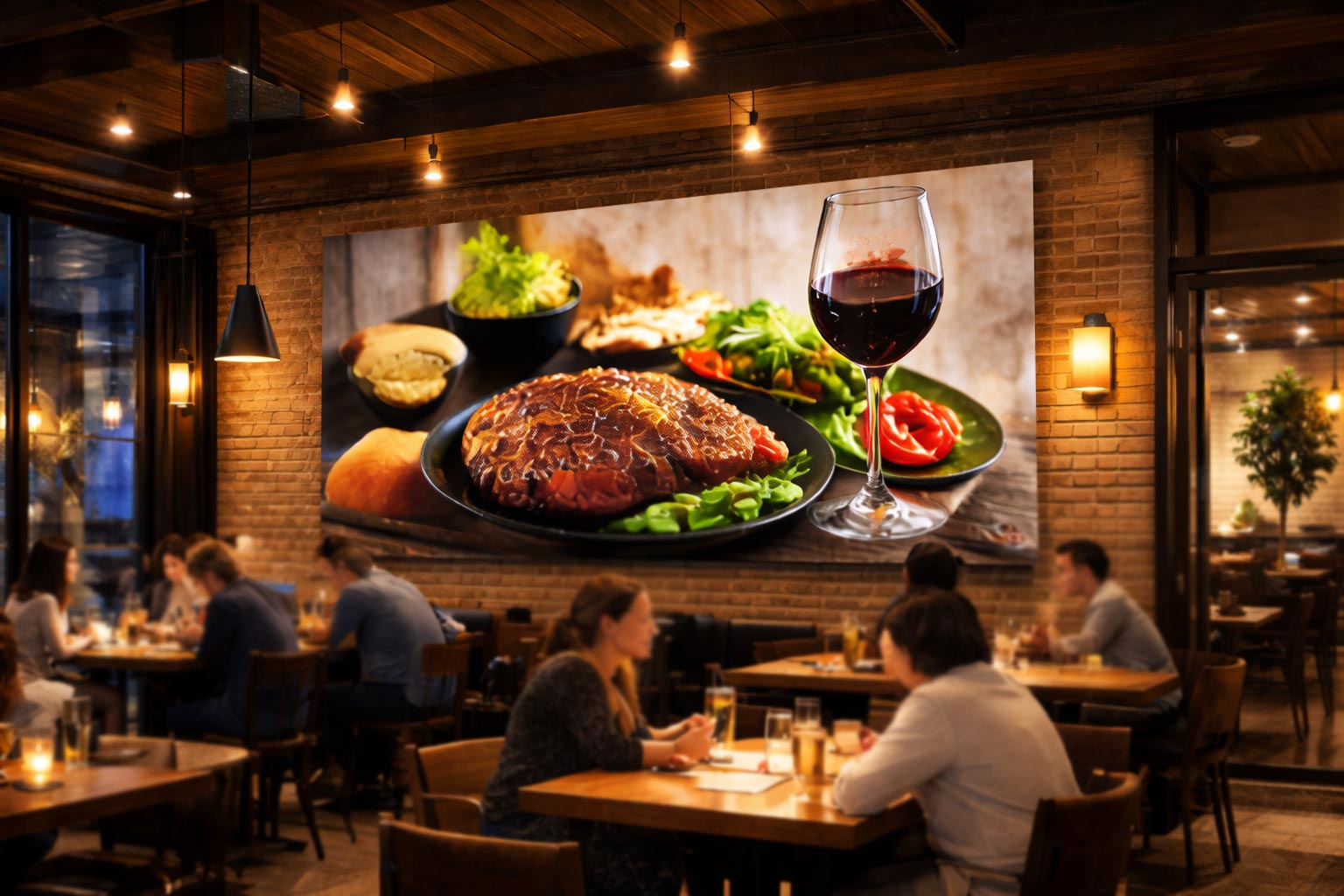
In the food industry, the first opportunity to win a customer often happens before anyone reads a menu or reaches the host stand. It happens on the sidewalk, from the car, or across a busy plaza, when someone decides whether to walk in or keep moving. LED video walls can help restaurants turn that brief moment into real customer attention.
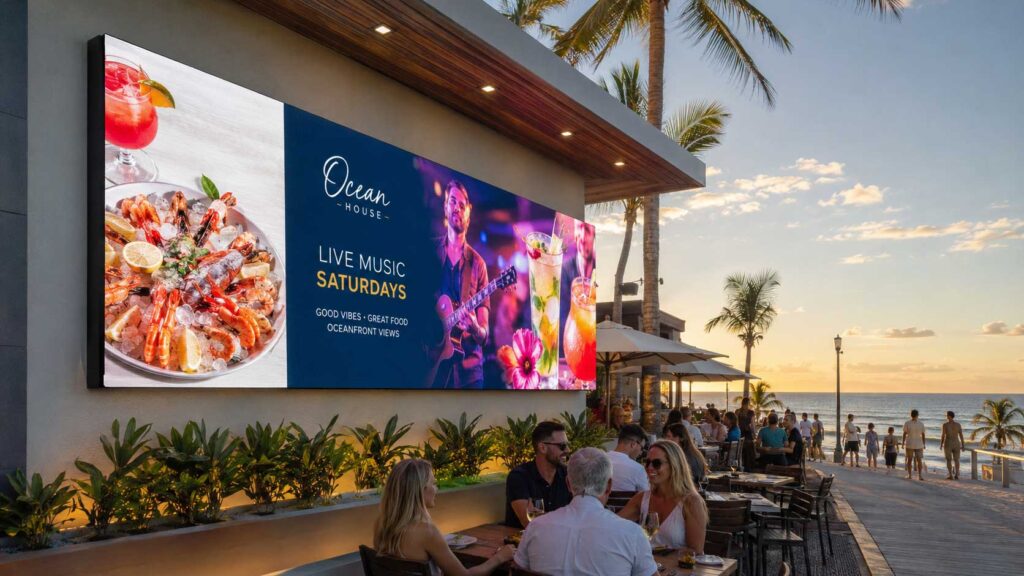
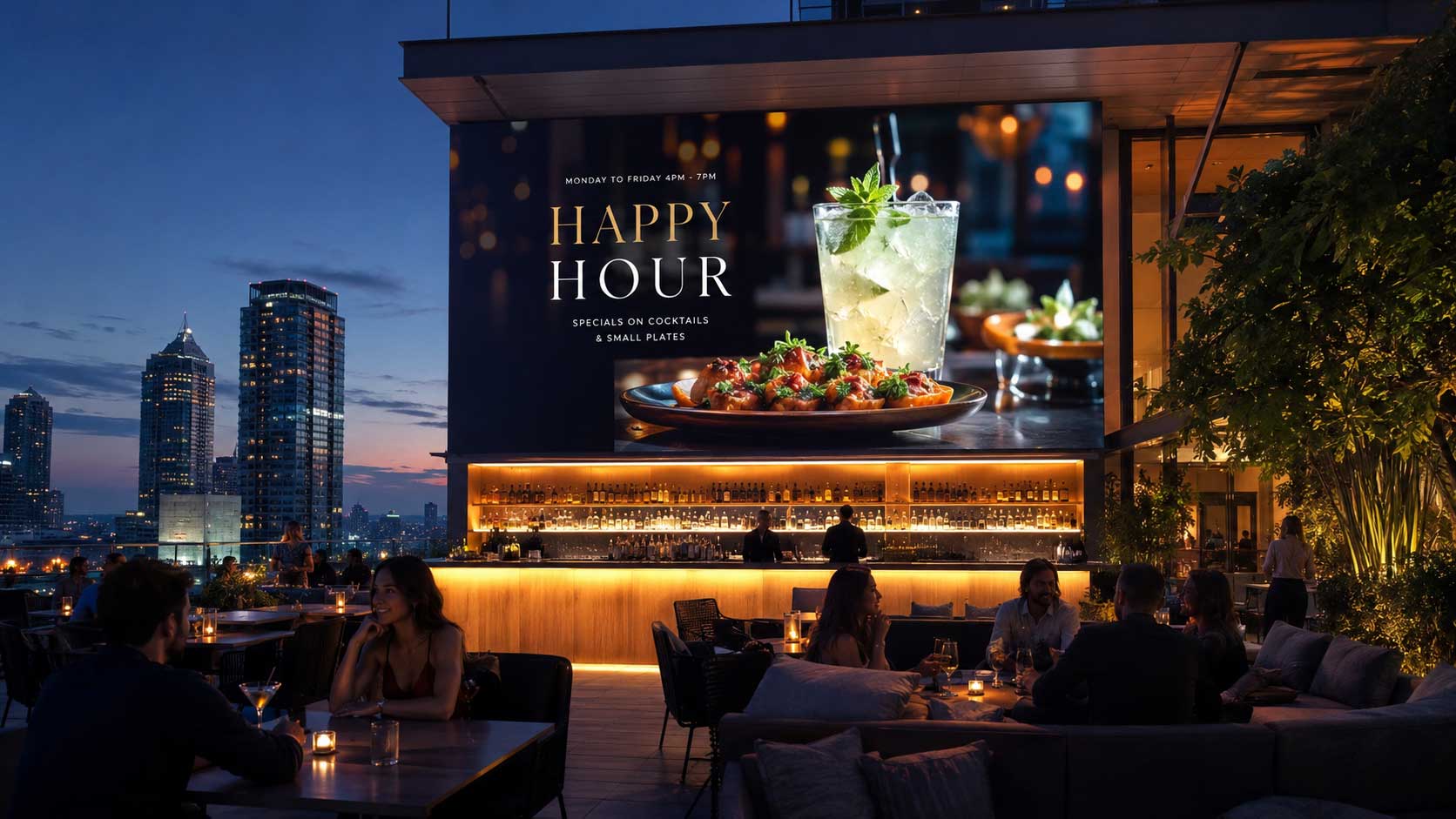
For restaurants, bars, food courts, and outdoor dining areas, LED walls are more than digital signs. They can present daily specials, promote happy hours, support live events, showcase signature dishes, and reinforce the atmosphere of the business. The goal is not to add another screen; it is to make the storefront work harder as a marketing asset.
That only happens when the system is planned correctly. Outdoor LED displays need the right brightness, weather resistance, viewing distance, content strategy, and service access. When those details come together, LED display panels can help turn street visibility into more walk-ins, stronger recall, and a better first impression.
For many diners, the decision starts outside. They may be walking through a shopping plaza, waiting near a food court, driving past a restaurant row, or comparing options in a busy entertainment district. In that moment, LED screens can give the business a clear visual advantage.
LED panels can show lunch specials, late-night offers, featured dishes, live music nights, sports watch parties, or simple brand visuals that make the restaurant easier to notice. When the message is clear and timely, LED video wall packages can turn a casual glance into a reason to come inside.
In today’s competitive business environment, visual impact has become a business requirement. Growing companies need systems that can capture attention now and expand later without forcing a complete replacement. Traditional projectors and rigid commercial displays may work at first, but they often limit scale, brightness, and long-term flexibility.
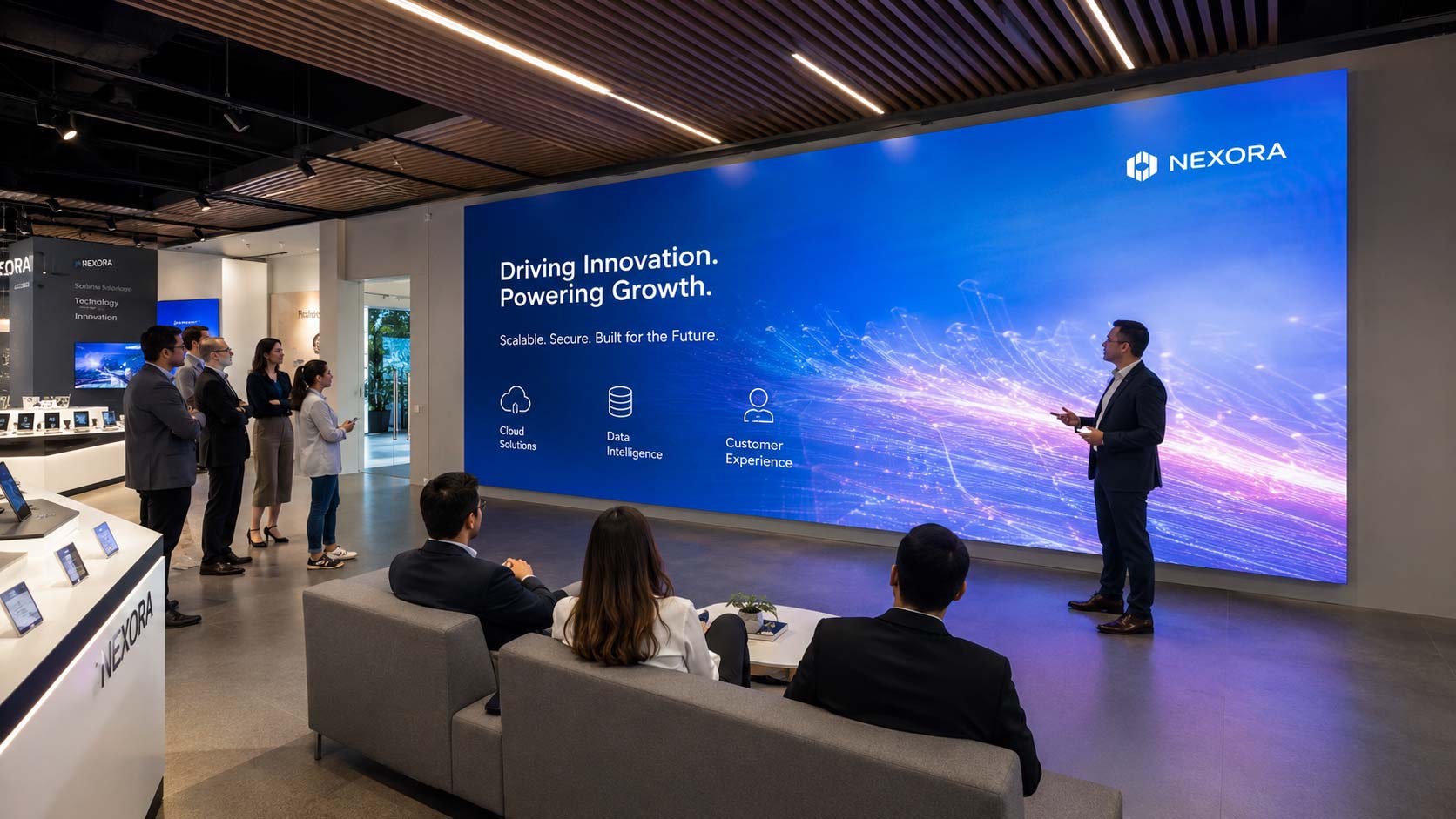
That is where modular LED solutions make a measurable difference. American LED Screens (ALS) helps businesses start with a compact, cost-effective setup for a storefront, lobby, reception area, or event space, then expand it into larger LED video walls as revenue, goals, and physical space grow.
With ALS, you are not just purchasing equipment. You are investing in a flexible visual asset built to support visibility, brand recognition, customer engagement, and future expansion. For growing brands, LED walls can become part of a long-term communication strategy rather than a one-time purchase.
Starting with the right visual platform means planning beyond the first installation. A future-ready signage strategy should support today’s needs without blocking tomorrow’s opportunities. ALS designs LED wall packages around that principle: practical performance, flexible configuration, and room to scale.
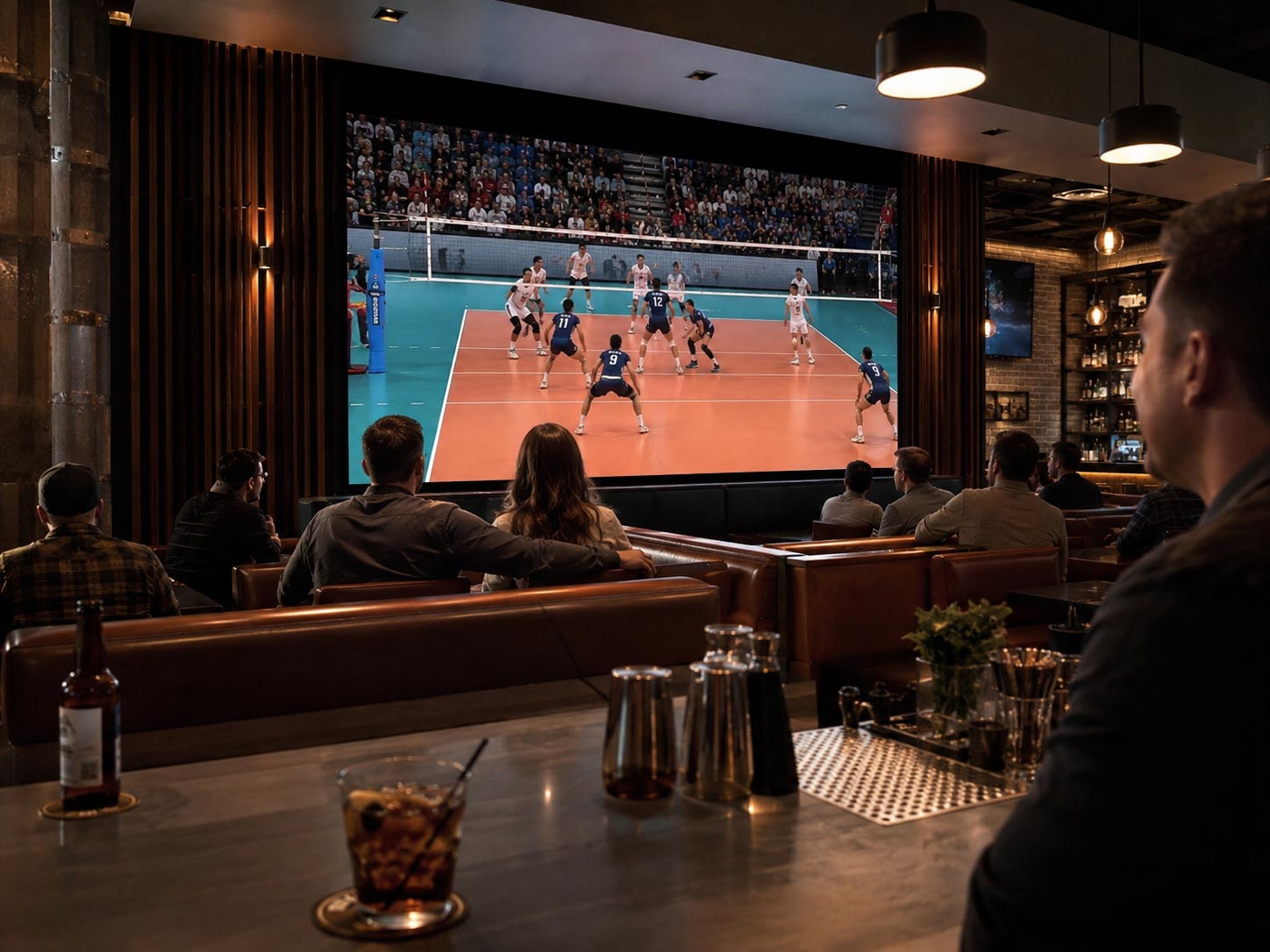
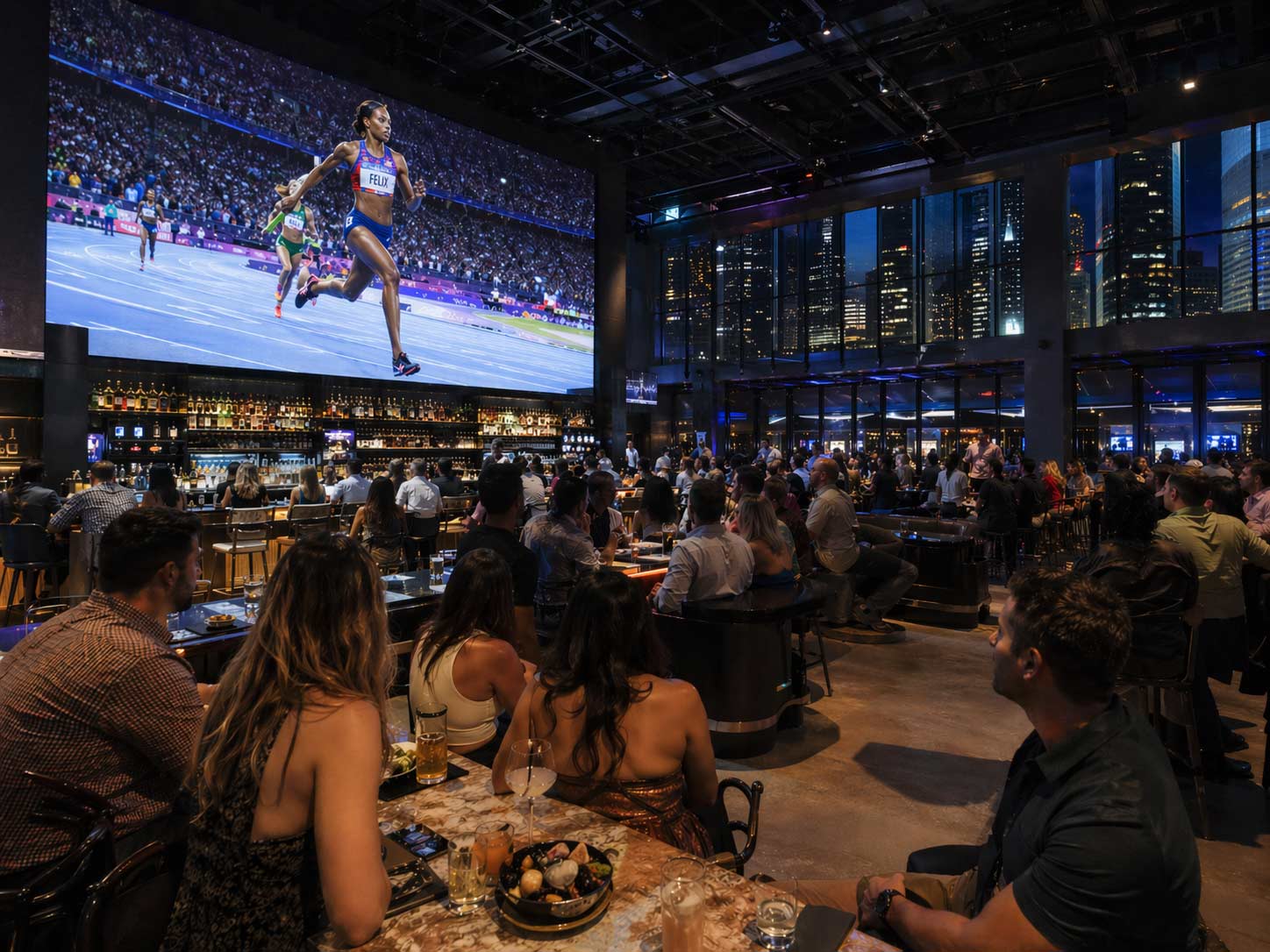
With streaming and 85-inch TVs now commonplace, sports bars in the U.S. need more than cold beer and a few good seats. To bring fans through the door, your venue has to offer what a living room can’t replicate: scale, energy, and a shared game-day atmosphere.
Game day is built on emotion, and LED walls help amplify every big play with a crisp, vibrant image from nearly any angle. Whether guests are at the bar or seated near the back, clear visibility keeps the room engaged and the orders moving.
The value goes beyond live sports. LED technology can support promotions, sponsor messages, private events, movie nights, and branded experiences, making the screen a flexible asset rather than a single-purpose upgrade.
There is no one-size-fits-all setup. The right pixel pitch, cabinet size, and configuration depend on your layout, audience, lighting, and viewing distance. This guide will help you understand how to choose LED display panels that can turn a sports bar into a true fan destination.
Nowadays, a bar that simply “shows the game” can quickly feel outdated. Visual presentation has become part of the customer experience, and a strong screen strategy can help turn a hospitality venue into a higher-performing entertainment space.
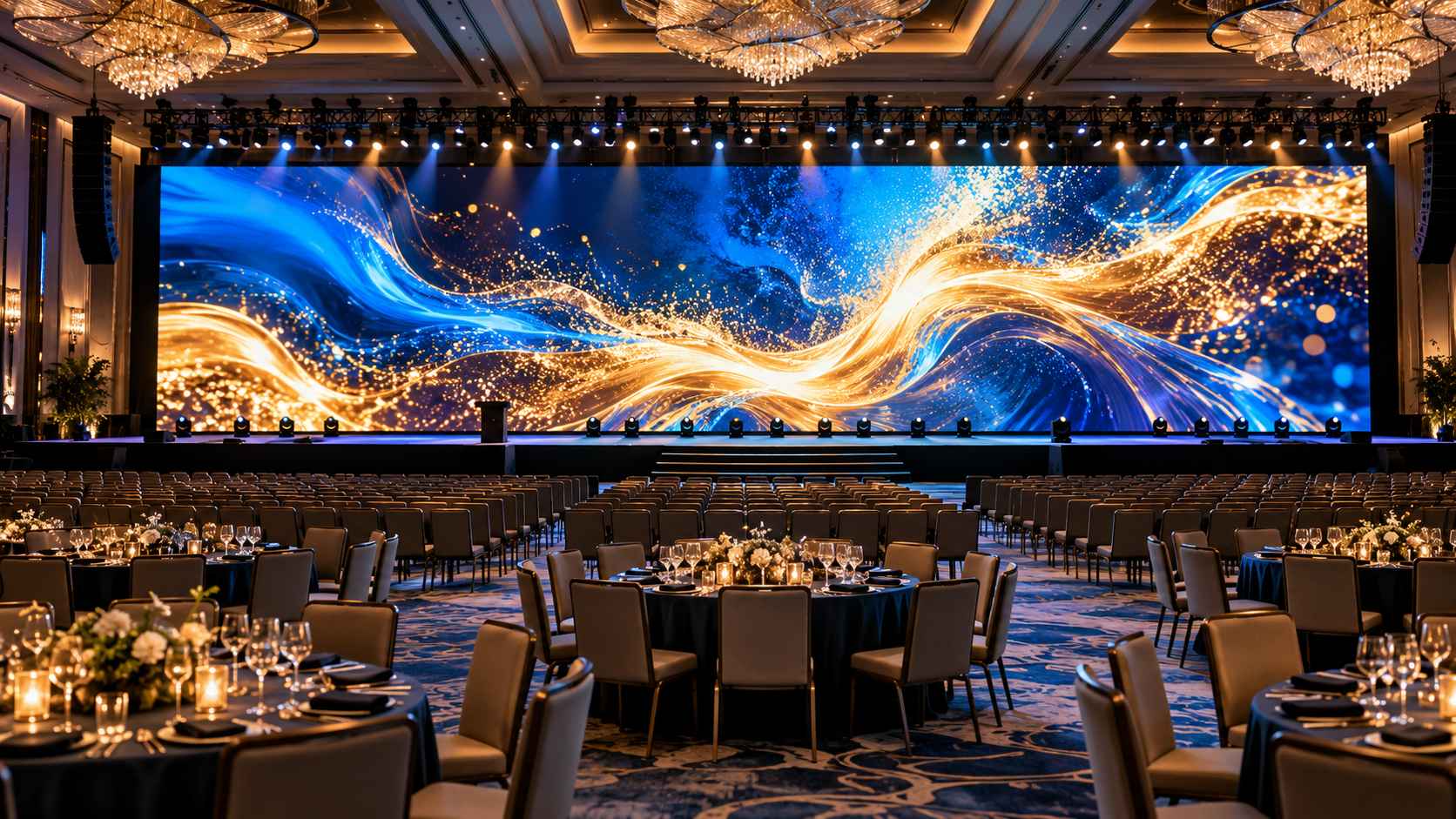
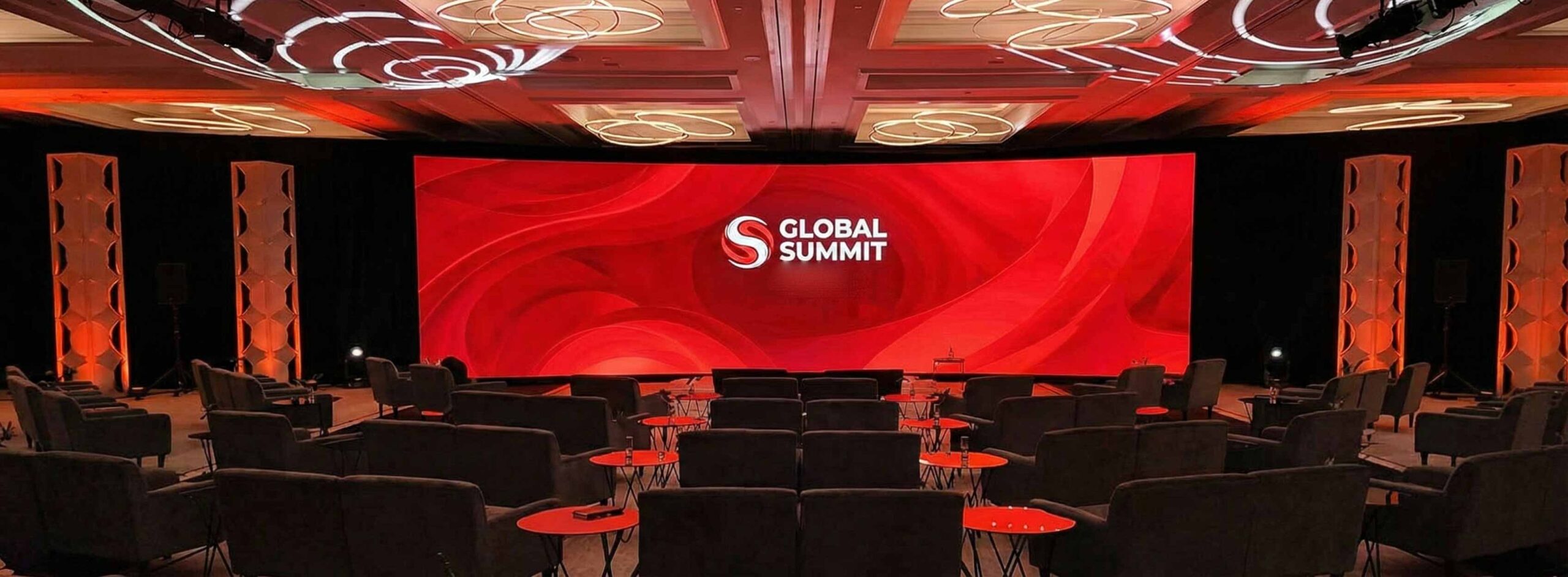
Convention centers are built for movement. People arrive in waves, exhibitors prepare booths, speakers move between rooms, sponsors compete for attention, and event teams adjust schedules throughout the day. In that kind of environment, visual communication has to be fast, clear, and easy to manage.
That is why LED display packages have become such a strong fit for high-traffic venues. They help organize the space, guide attendees, support exhibitors, promote sponsors, elevate stages, and keep information current when plans change quickly.
A convention center may host a technology expo one week, a medical congress the next, and a corporate product launch a few days later. Each event brings different layouts, branding needs, audience sizes, lighting conditions, and content formats. The right LED video walls give the venue the flexibility to adapt without rebuilding its communication system every time.
For venue managers, this is not only about image quality. It is about smoother operations, faster changeovers, stronger sponsorship opportunities, and a more modern visitor experience. In a space where thousands of people need to know where to go, what to see, and which brands to remember, LED screens become part of the venue’s business strategy.
A convention center has to perform like several venues at once. It may function as an exhibition hall, conference facility, networking space, entertainment venue, brand showcase, and information hub in the same day. LED technology supports that constant change by giving event teams a more flexible way to communicate.
With streaming and 85-inch TVs now commonplace, sports bars in the U.S. need more than cold beer and a few good seats. To bring fans through the door, your venue has to offer what a living room can’t replicate: scale, energy, and a shared game-day atmosphere.
Game day is built on emotion, and LED walls help amplify every big play with a crisp, vibrant image from nearly any angle. Whether guests are at the bar or seated near the back, clear visibility keeps the room engaged and the orders moving.
The value goes beyond live sports. LED technology can support promotions, sponsor messages, private events, movie nights, and branded experiences, making the screen a flexible asset rather than a single-purpose upgrade.
There is no one-size-fits-all setup. The right pixel pitch, cabinet size, and configuration depend on your layout, audience, lighting, and viewing distance. This guide will help you understand how to choose LED display panels that can turn a sports bar into a true fan destination.
Nowadays, a bar that simply “shows the game” can quickly feel outdated. Visual presentation has become part of the customer experience, and a strong screen strategy can help turn a hospitality venue into a higher-performing entertainment space.
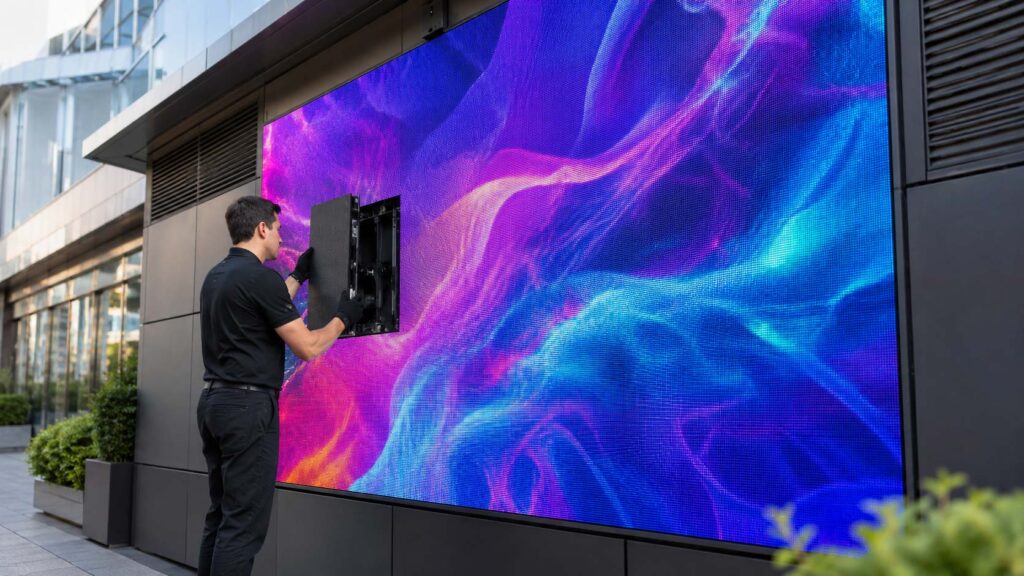
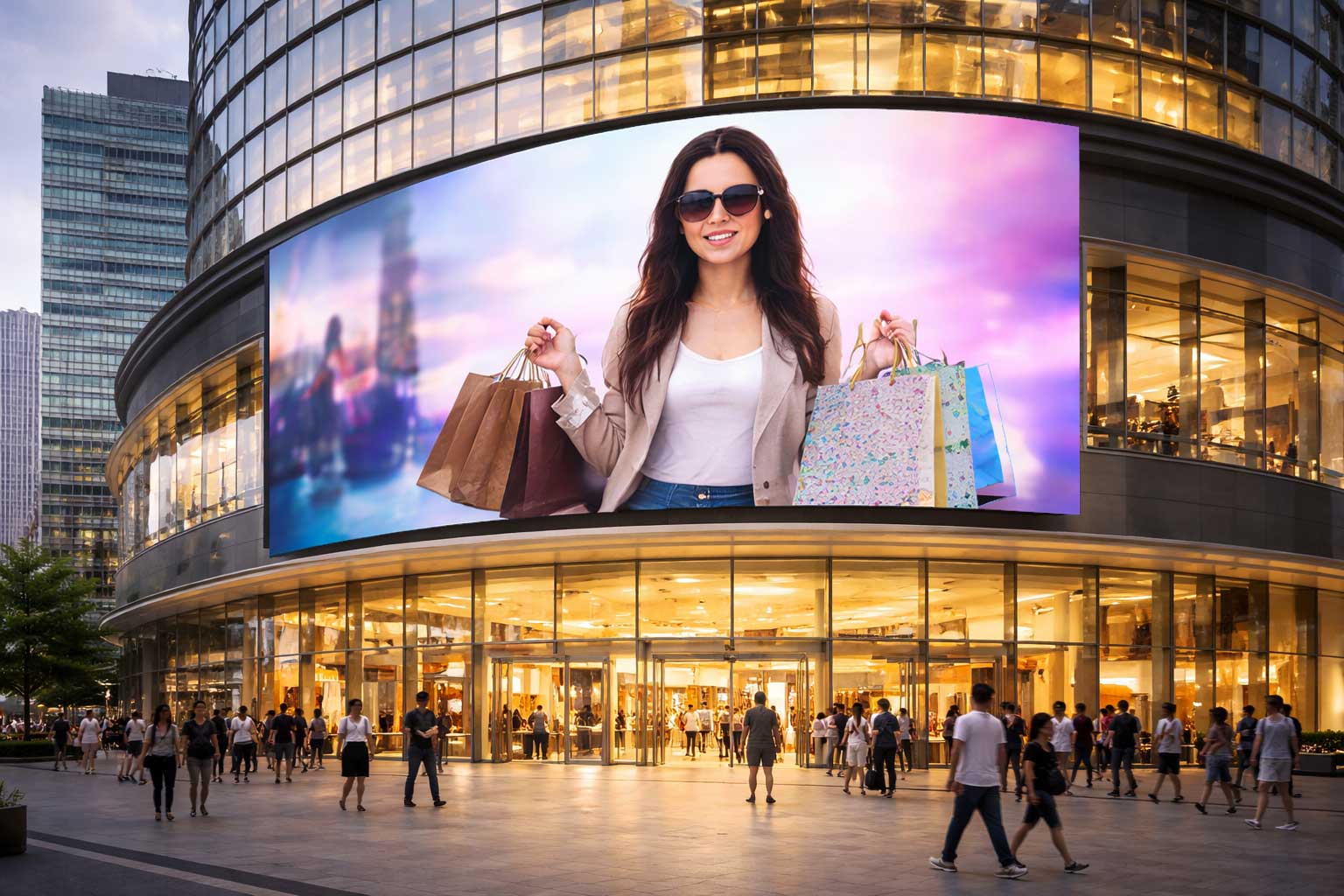
In the middle of the digital age, cities have become highly competitive advertising environments. There is always an audience, interaction is always possible, and the urban landscape offers a powerful setting for experimentation. But along with that potential come real challenges, especially technical ones. What kind of tool can handle the elements, adapt to different viewing distances, and still allow remote content control?
For many urban projects, the answer is clear: outdoor LED displays. This technology is built for demanding environments where weather, sunlight, and constant pedestrian movement are part of everyday conditions.
When attention spans are short and impact needs to be immediate, these systems bring together the features that matter most: scale, dynamic content, and self-adjusting brightness that keeps visuals clear even in direct sunlight. It is not only about showing content. It is about making sure people can actually see it under real-world conditions.
That is why working with experienced suppliers like American LED Screens can help turn these capabilities into practical results for downtown areas and other high-traffic urban locations.
If you are considering this technology for a future project, this article covers the key factors to evaluate so you can move forward in a professional and informed way.
Major cities have always stood out for two things: rapid growth and trendsetting influence. What takes hold in these environments often spreads everywhere else. The rise of LED screens in downtown advertising follows that same pattern. Cities create the perfect conditions for them, and in return, these installations reshape the visual identity of urban spaces. What is driving that growth? Let’s look at the main reasons.
Experiencing a game with other fans is one of the most exciting parts of sports culture. While not everyone can make it to a stadium, sports bars have become the next best place to enjoy that energy, emotion, and sense of connection.
In the U.S., though, sports bars no longer compete on location, food, or drinks alone. The real advantage is the in-house experience. Visibility, screen placement, image clarity, and overall visual impact all shape how customers experience the game and whether they choose to come back.
That is why these systems have become far more than an extra feature. They now play a central role in attracting customers, setting the mood, and keeping people engaged longer. When content stays sharp, bright, and easy to follow from different parts of the venue, the atmosphere changes completely.
This is where LED displays stand out. They support flexible content, strong visibility, and reliable performance, making it easier to show games, promotions, stats, and branded visuals throughout the day. LED screens also help venues manage multiple content types without losing impact.
Understanding what makes these systems effective is essential before investing. This article explores the main features that matter, what to evaluate before buying, and how LED panels can support a more dynamic sports bar environment.
In a sports bar, the experience depends on more than simply showing the game. It depends on how the game is seen throughout the space. Crowd movement, seating layouts, and changing lighting conditions all affect visibility, so the screen has to perform consistently from every angle.
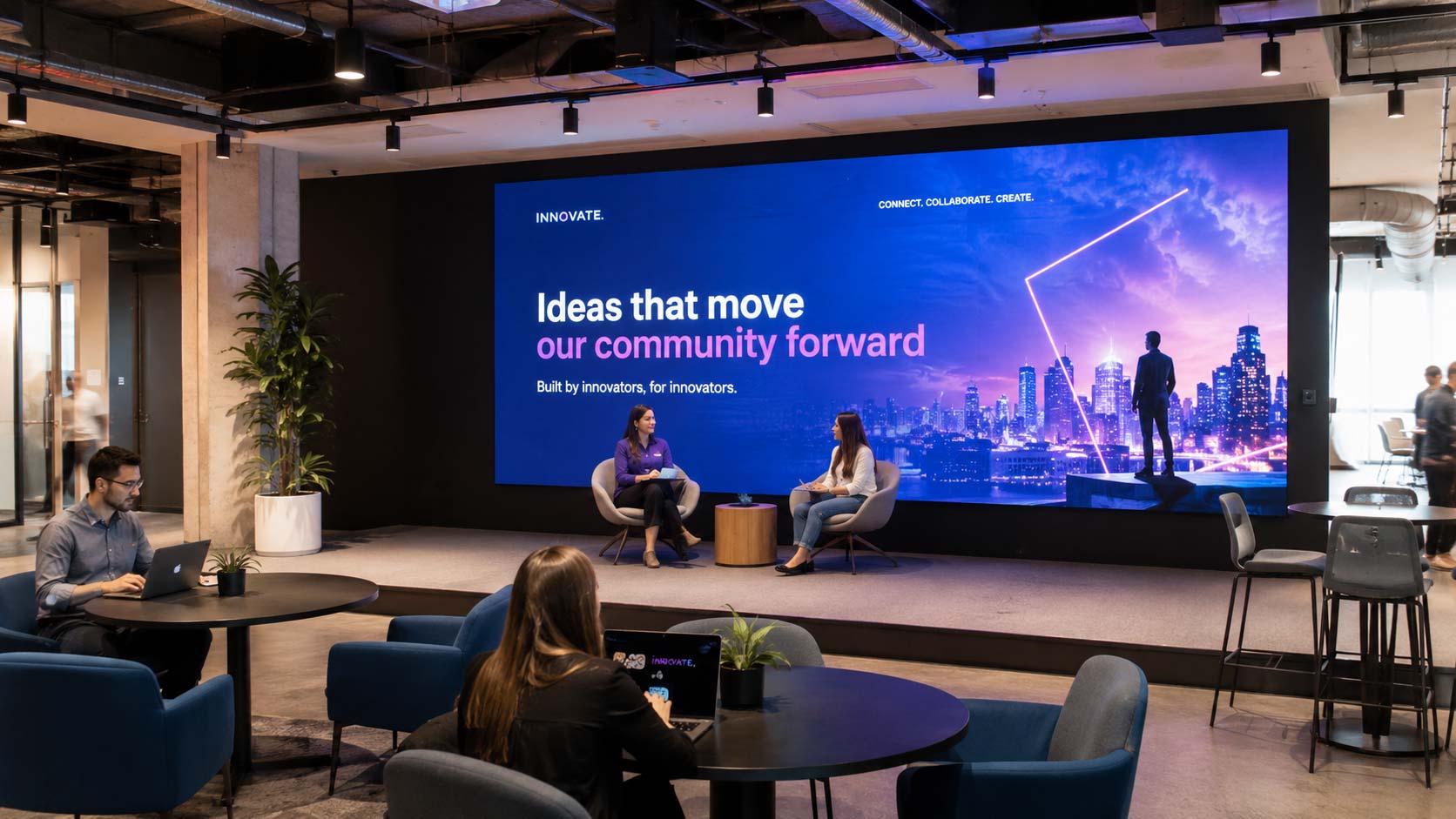
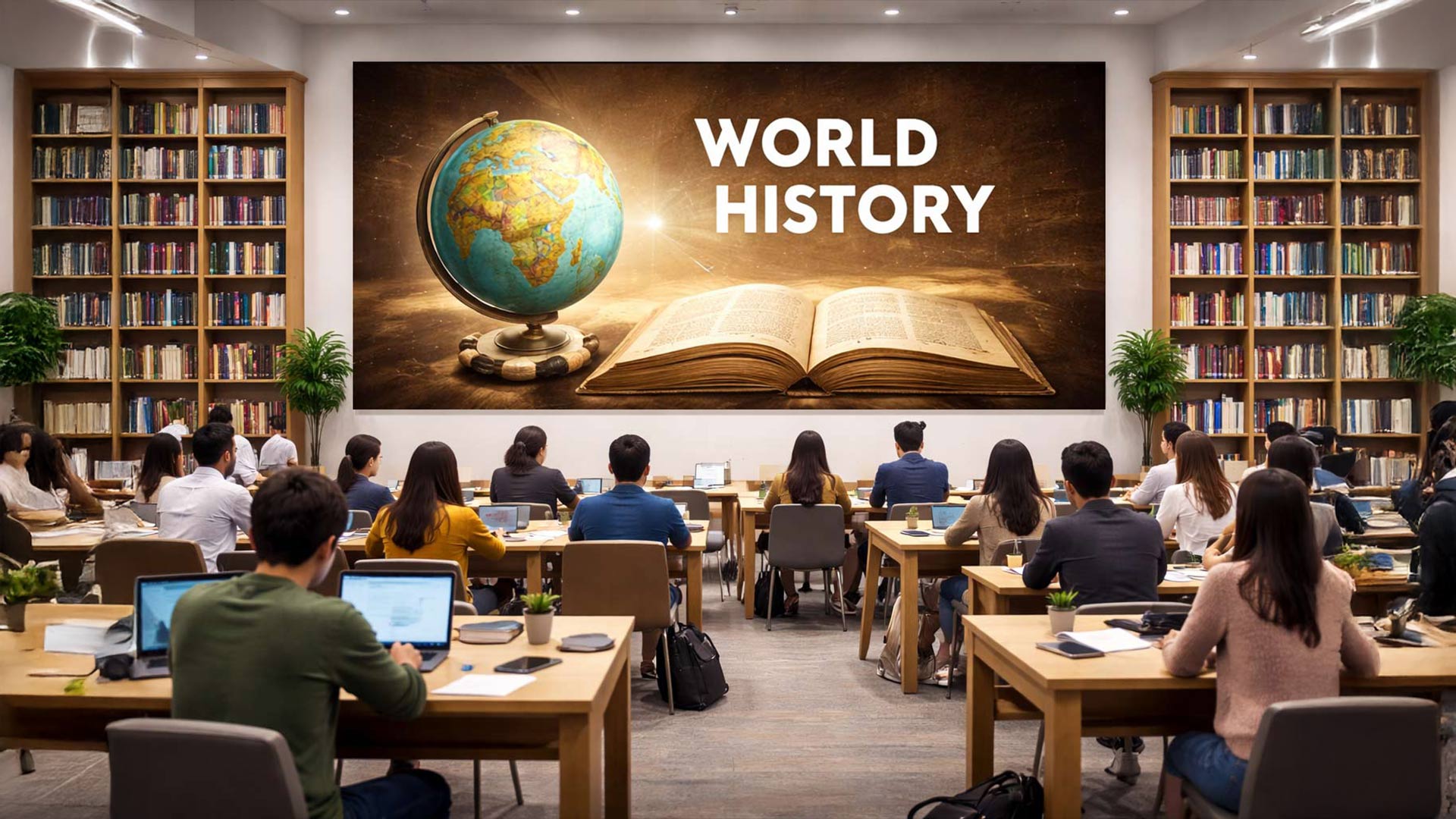
Campus communication has changed. Static signs and printed notices no longer match the pace of student life, which is why many institutions are upgrading to more dynamic, professional communication systems. LED video walls packages help universities share announcements, event content, and branded visuals in a way that feels immediate and relevant.
Used strategically, LED walls can turn lobbies, auditoriums, and public spaces into high-visibility communication points. They support real-time messaging, strengthen institutional image, and create a more polished campus experience for students, visitors, donors, and staff.
Just as importantly, LED displays give universities a flexible way to modernize how information is delivered across campus. With the right placement and content strategy, LED screens can improve visibility, reinforce branding, and support a more connected learning environment.
The biggest advantage of these systems is adaptability. Universities can place LED display panels in key areas to improve communication without overwhelming the space or disrupting the campus aesthetic.

In the middle of the digital age, cities have become highly competitive advertising environments. There is always an audience, interaction is always possible, and the

Experiencing a game with other fans is one of the most exciting parts of sports culture. While not everyone can make it to a stadium,

Campus communication has changed. Static signs and printed notices no longer match the pace of student life, which is why many institutions are upgrading to

Many buyers assume LED video wall pricing depends mostly on screen size. Size matters, but it is only one piece of the equation. The total

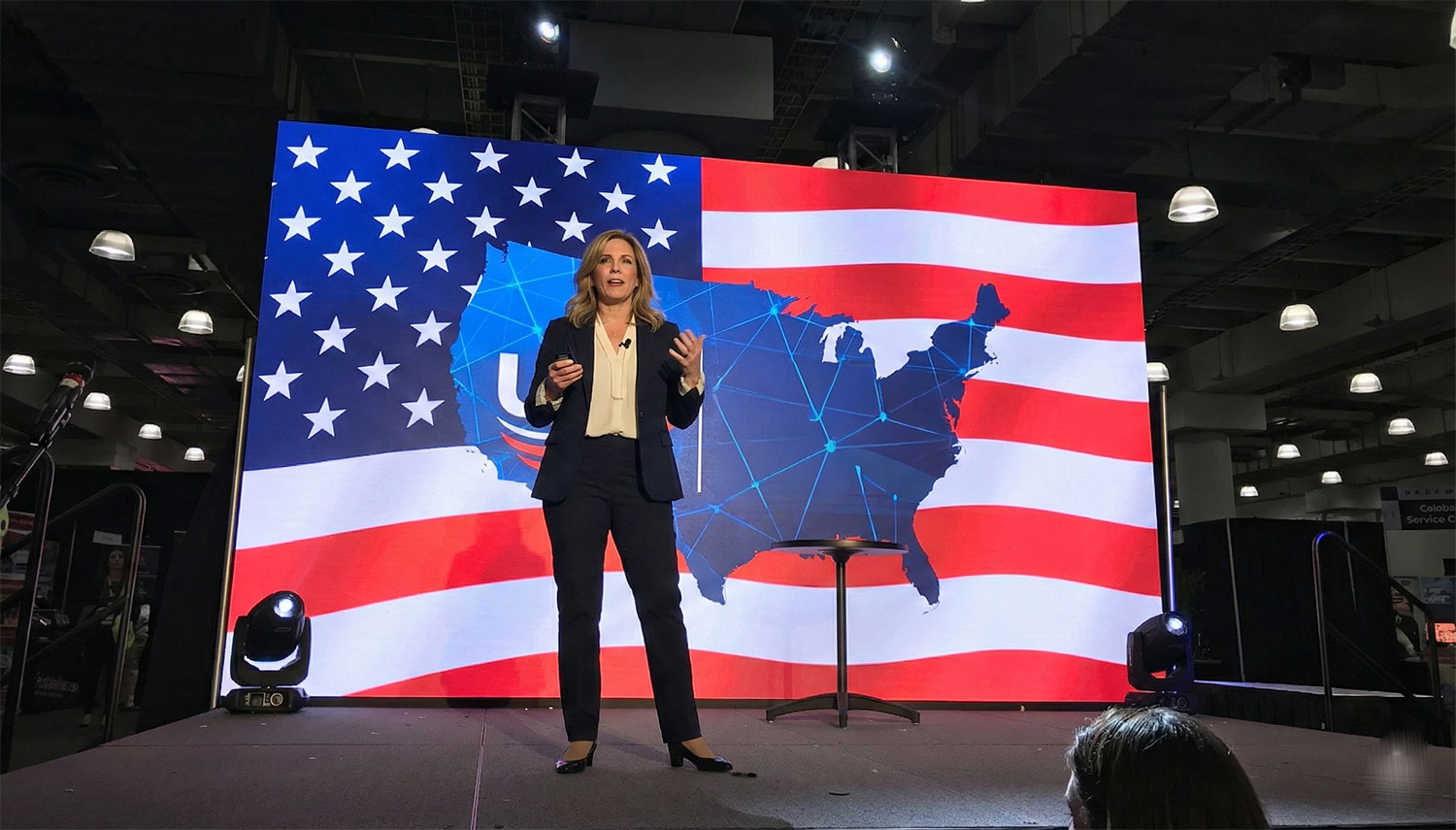
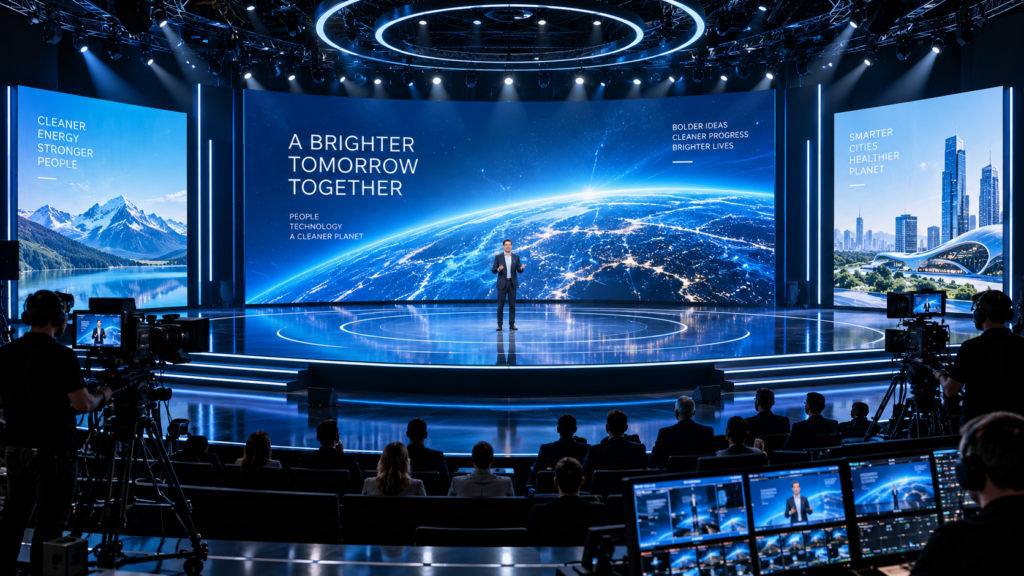
Corporate events do not look the way they did a few years ago. A basic projector, a dim ballroom, and a few branded slides used

For years, traditional signage did its job well. A sign was installed, it stayed in place, and it delivered the same message for months… Sometimes

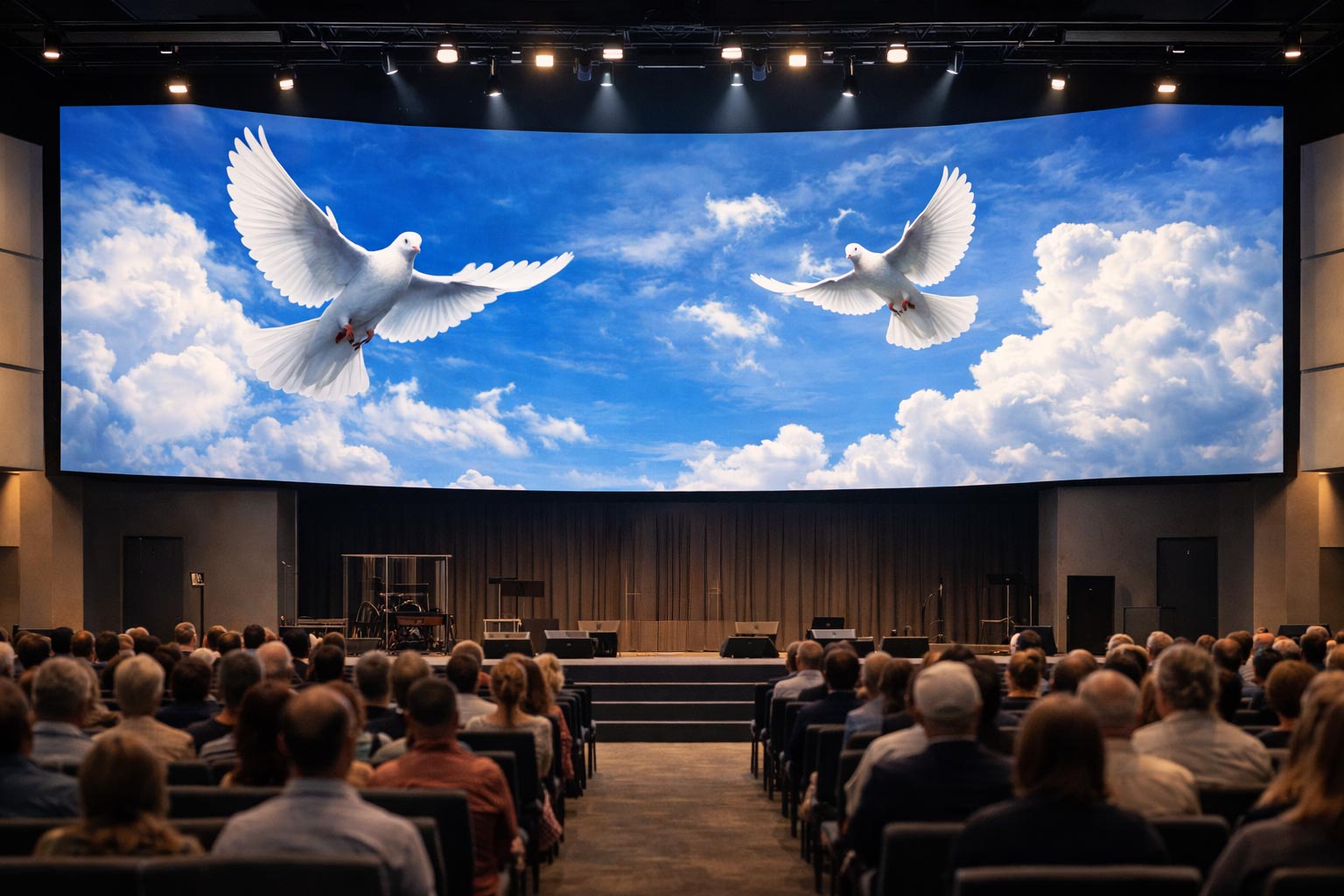
Modern churches are rethinking how they communicate; because the congregation itself has changed. Many worshipers still value being in the room every Sunday, but more

There’s a significant difference between promotional renderings and real-world performance. LED video walls often look flawless in marketing visuals, yet disappointment can arise once content

In a market saturated with visual noise, companies rarely fail because of a lack of products; they fail because they fail to capture attention. In

Retail has a funny way of deciding for us. We can walk in “just browsing,” then leave with the exact item we didn’t know we
Led Video Panels (quantity depends on screen size)
Video Processor with HDMI, DVI & VGA inputs
Mounting System (riggin bars or wall frame)
All necessary data and power cables
Spare parts for maintenance and replacements
Get personalized advice or a free quote
according to your needs