Imagine a mixed-use property that changes character throughout the day. In the morning, visitors need directions, service updates, and retail information. By afternoon, the same space may host families, shoppers, or event guests. At night, it becomes quieter and more residential. The building stays the same, but the audience does not.
The challenge is not to fill every surface with technology. Too many disconnected LED displays can create clutter, inconsistent branding, and visual fatigue. A stronger approach is to build one coordinated visual network that supports retail, events, property operations, and resident communication.
That network can connect LED video walls, content platforms, and control systems so each message appears where it belongs. The goal is consistency without sameness: every location can serve a different purpose while still feeling like part of one property.
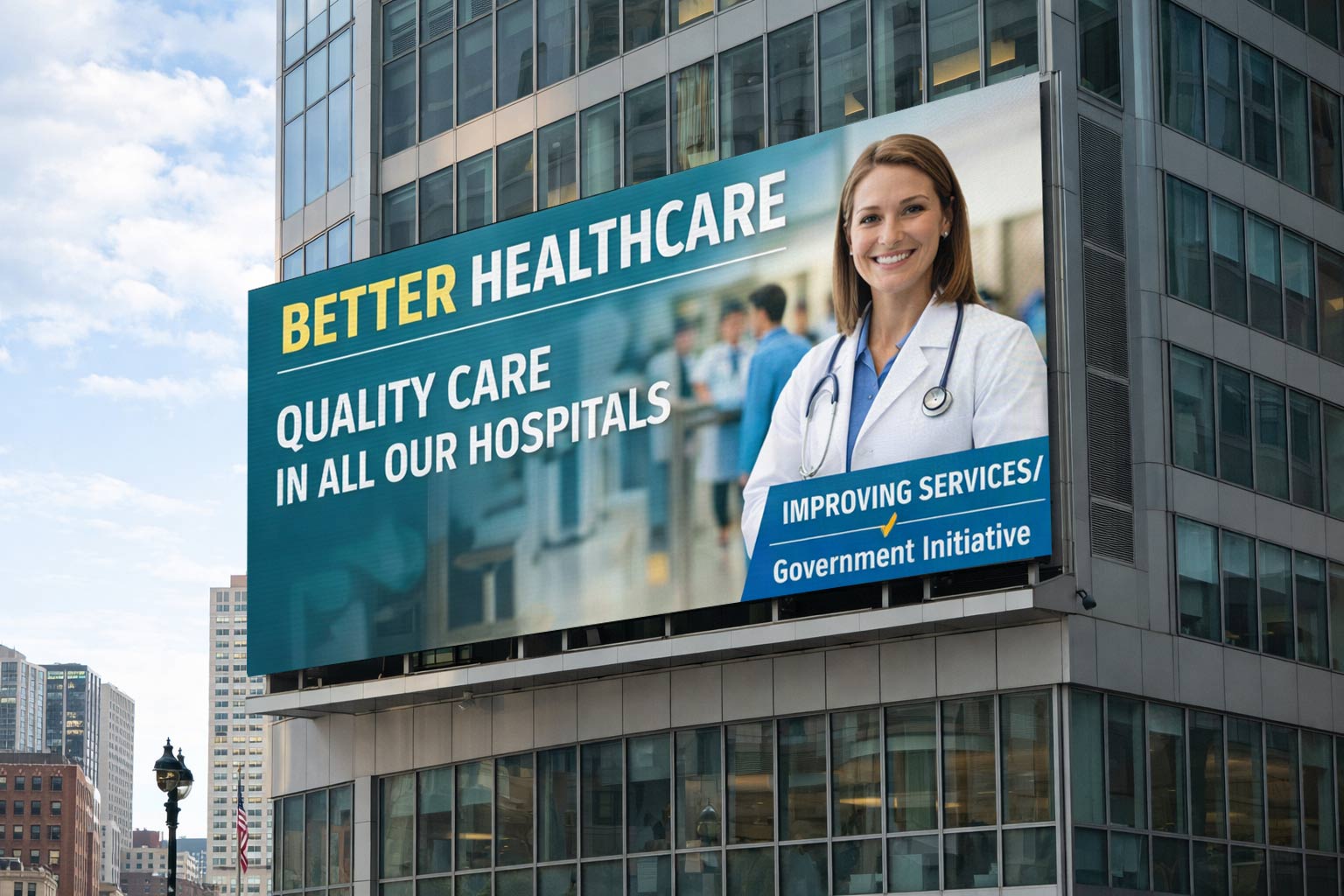
A Mixed-Use Property Has More Than One Audience
Mixed-use environments bring together audiences with very different expectations. Retail tenants want visibility and foot traffic. Residents want useful information without feeling surrounded by advertising. Property teams need operational flexibility, while event organizers need dependable ways to reach large crowds.
Retailers Want Traffic, Residents Want Relevance
Commercial tenants rely on visibility to promote openings, offers, dining options, and brand activations. Residents, meanwhile, are more likely to value building updates, local information, and clear guidance. The same communication strategy should not be applied to both groups.
Shared Spaces Have to Serve Everyone
Atriums, plazas, parking entrances, elevator lobbies, walkways, and common areas are where these audiences overlap. LED wall packages can support multiple uses throughout the day, provided the content is scheduled with purpose. Shared space works best when messaging stays relevant to the people actually using it.
A single system can support:
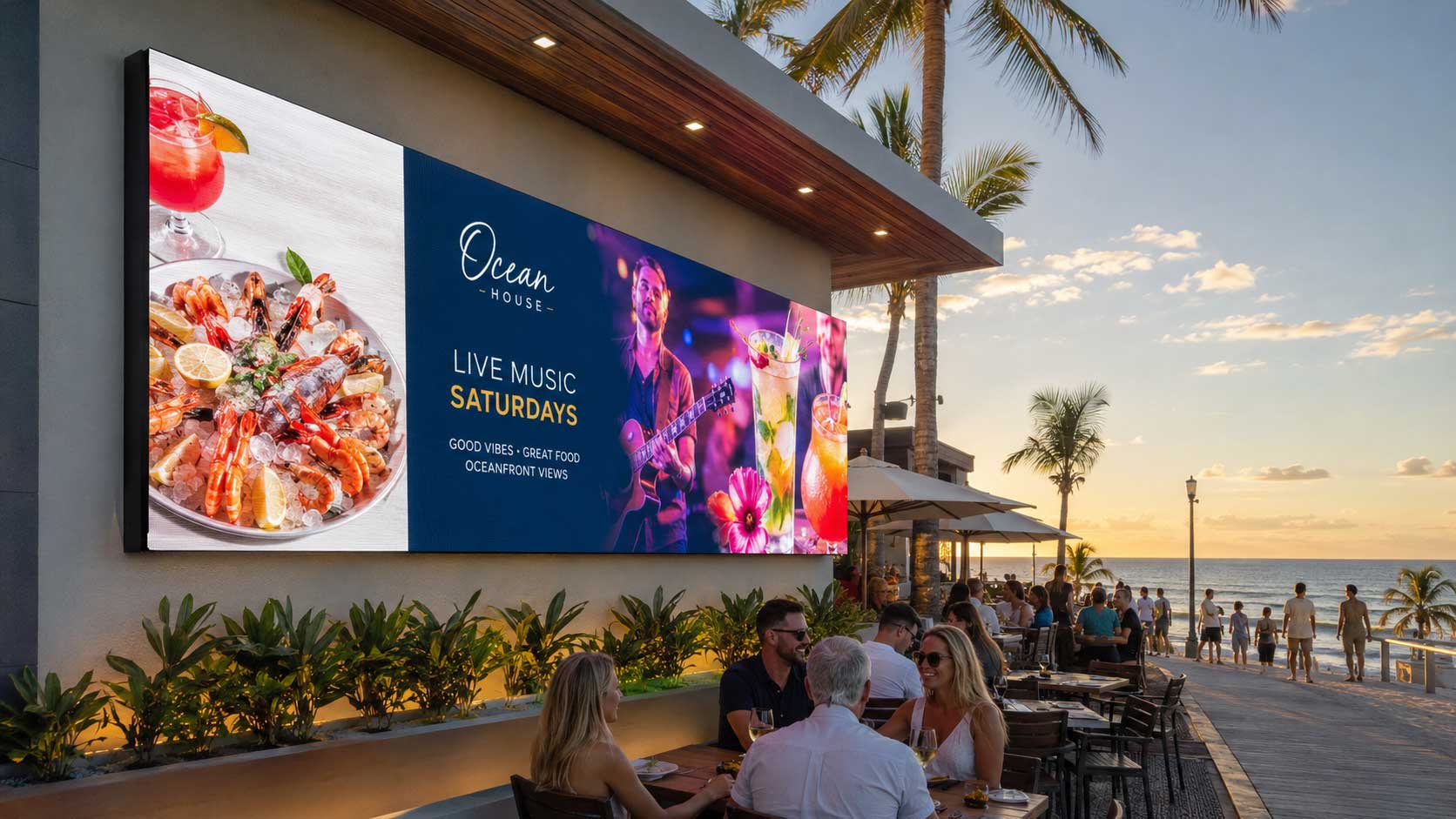
- Tenant promotions that help generate store traffic.
- Property announcements and operational notices.
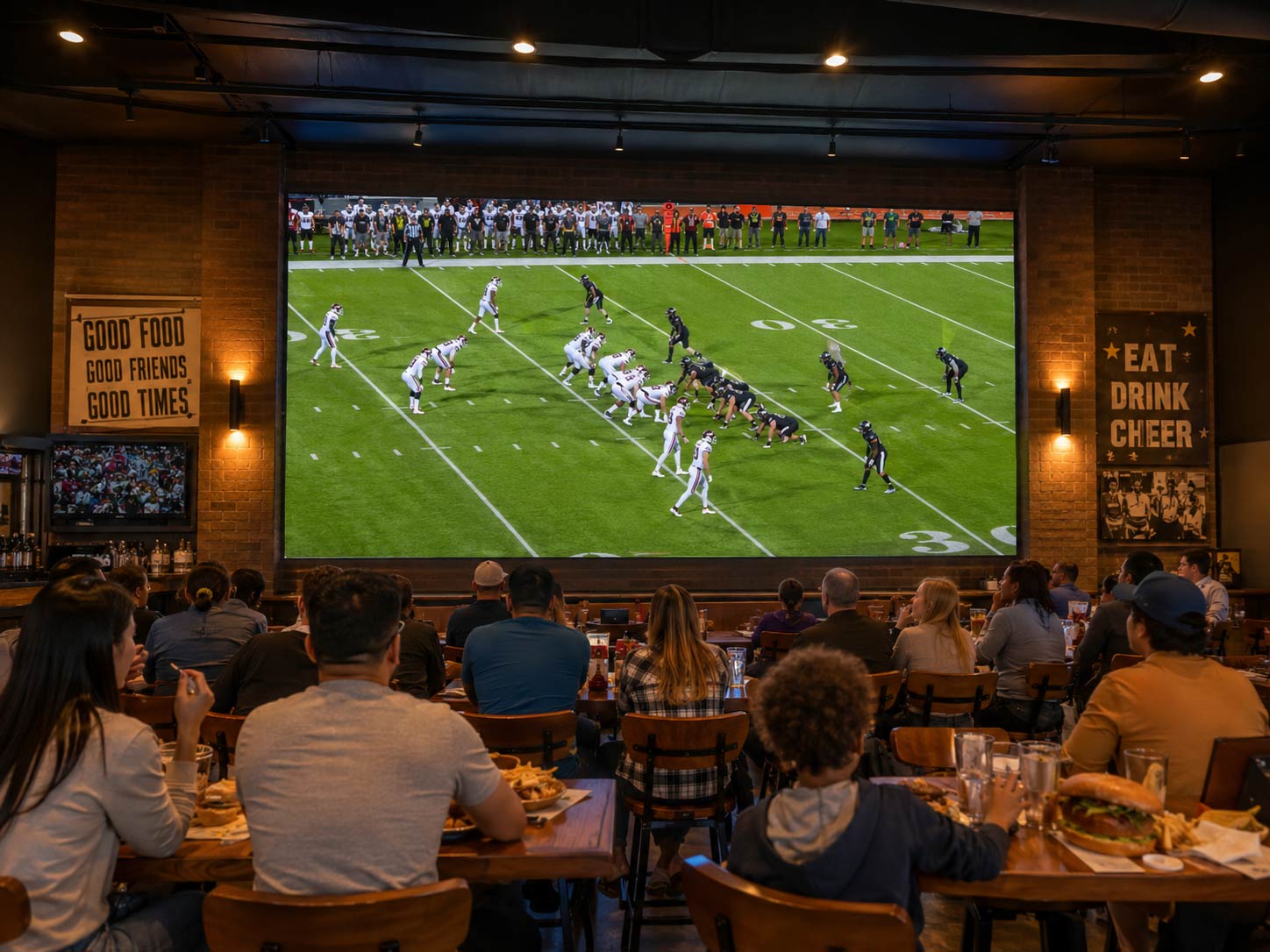
- Event schedules and live programming.
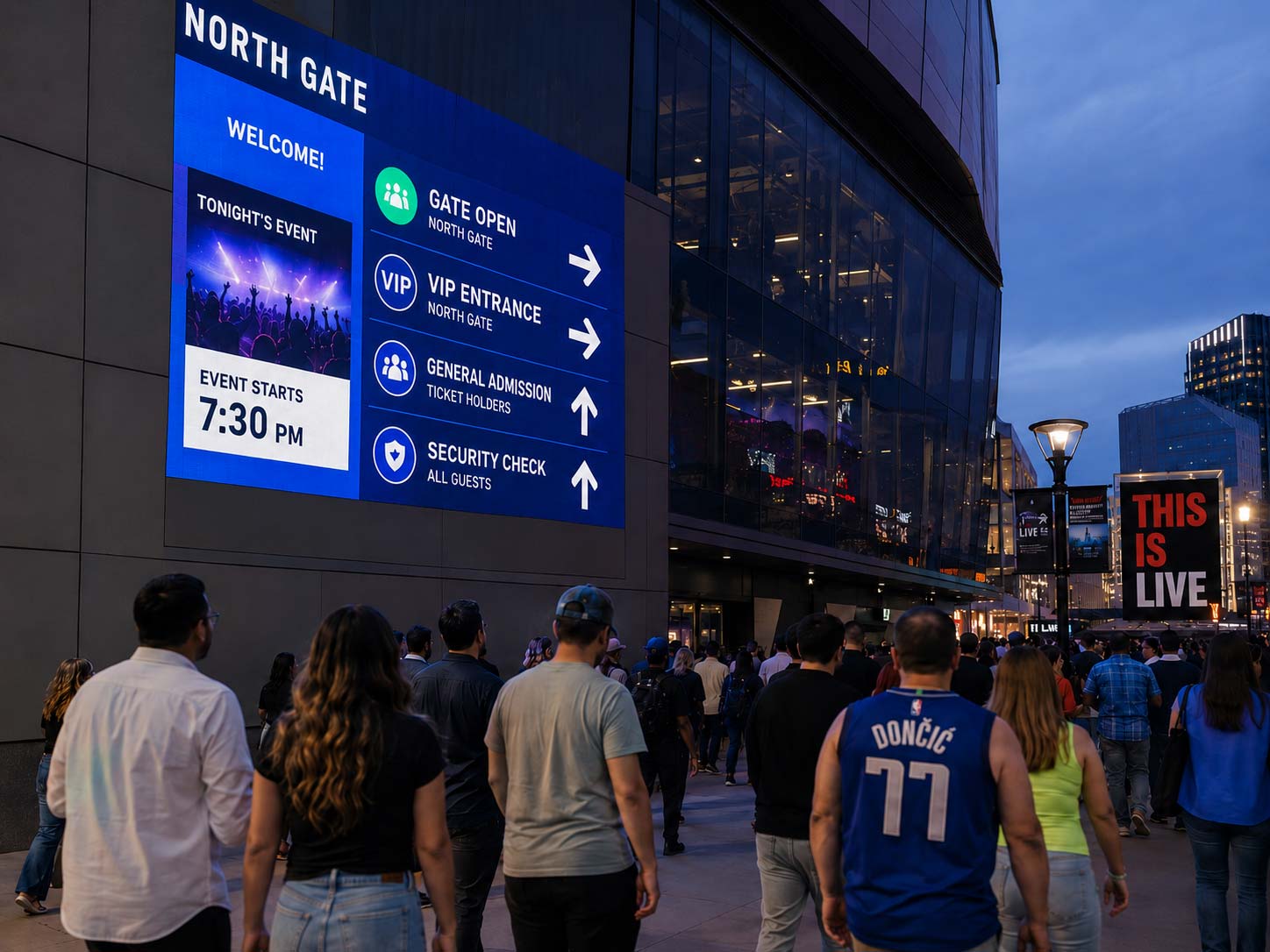
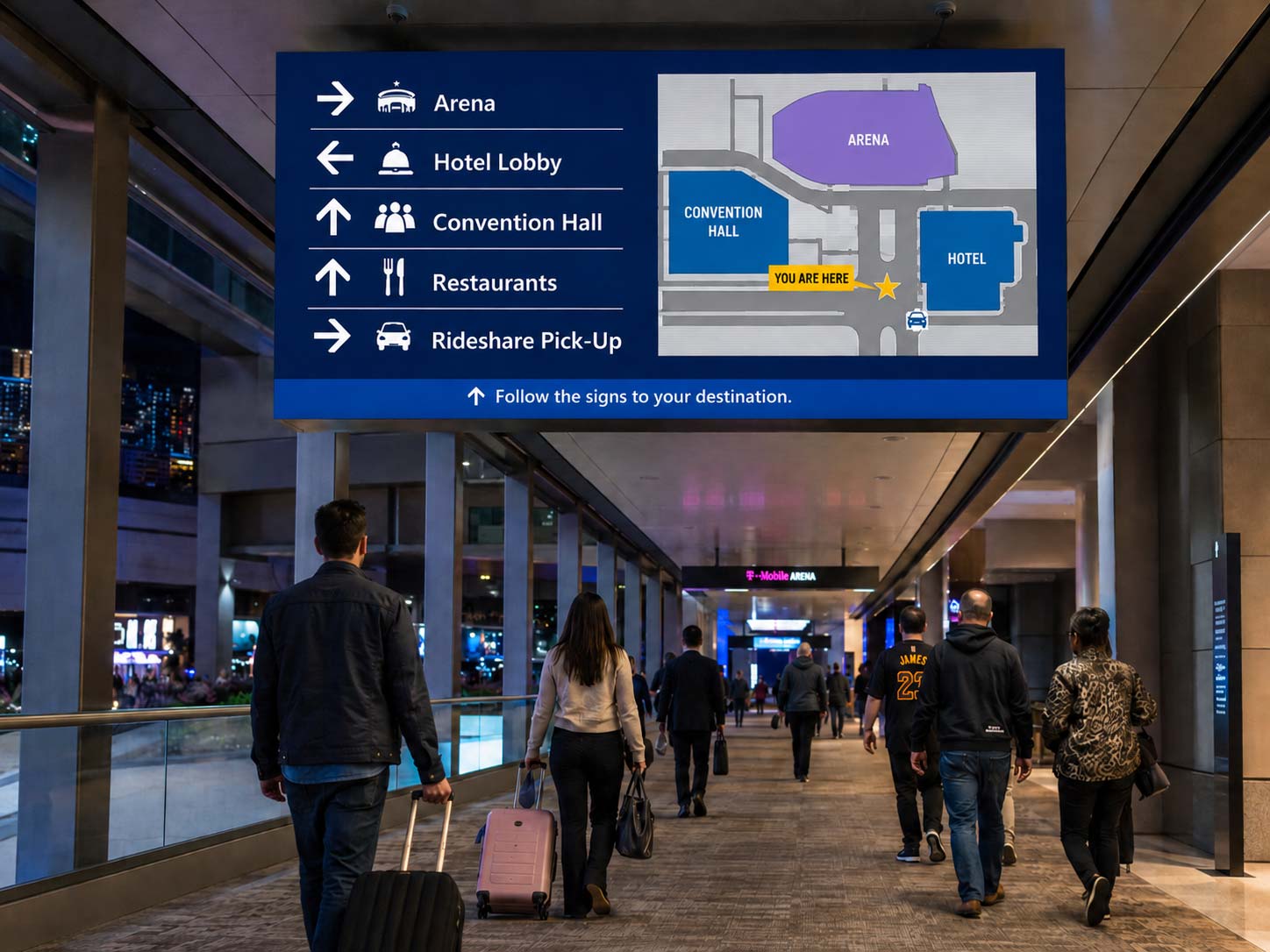
- Wayfinding information for visitors and guests.
- Resident communications in appropriate areas.
- Immersive content that strengthens the atmosphere of the property.
Too Many Independent Screens Create Visual Noise
When tenants or vendors install independent LED panels without coordination, the property can quickly lose visual consistency. Different brightness levels, content formats, image quality, and design styles compete for attention. Instead of making the environment feel more advanced, the result can feel fragmented and overbuilt.
A centralized strategy gives LED screens a common visual framework while still allowing each zone to serve its own audience. Consistency makes the entire property feel more intentional and professionally managed.
The Same Property Can Change Character Throughout the Day
A mixed-use property should not communicate the same way at 8 a.m. and 8 p.m. Content can change with traffic patterns, business hours, resident activity, and scheduled events, allowing the property to adapt without changing its physical layout.
Morning Content Can Be Quiet and Functional
Early in the day, LED displays can prioritize practical information such as building notices, weather, service updates, and wayfinding. Ambient visuals can also support a calmer atmosphere. Morning content should help people move through the property, not compete for their attention.
Retail Hours Shift the Network Toward Discovery
As foot traffic grows, LED displays can shift toward dining, store openings, promotions, and brand campaigns. The objective is not constant advertising, but well-timed discovery that supports the commercial environment without overwhelming it.
Events Can Turn Multiple Displays Into One Experience
During events, multiple LED video walls can work together as a coordinated experience. With professional processing and control systems such as NovaStar, content can be synchronized across atriums, corridors, facades, and event areas.
This makes it possible to support live feeds, branded visuals, presentations, or large-scale programming with one consistent creative direction across the property. LED panels in separate locations can still feel like part of the same event.
One Network Does Not Mean One Type of LED Wall
Centralized control does not require standardized hardware everywhere. Different spaces have different viewing distances, lighting conditions, traffic patterns, and environmental demands.
The Atrium and the Sidewalk Have Different Jobs
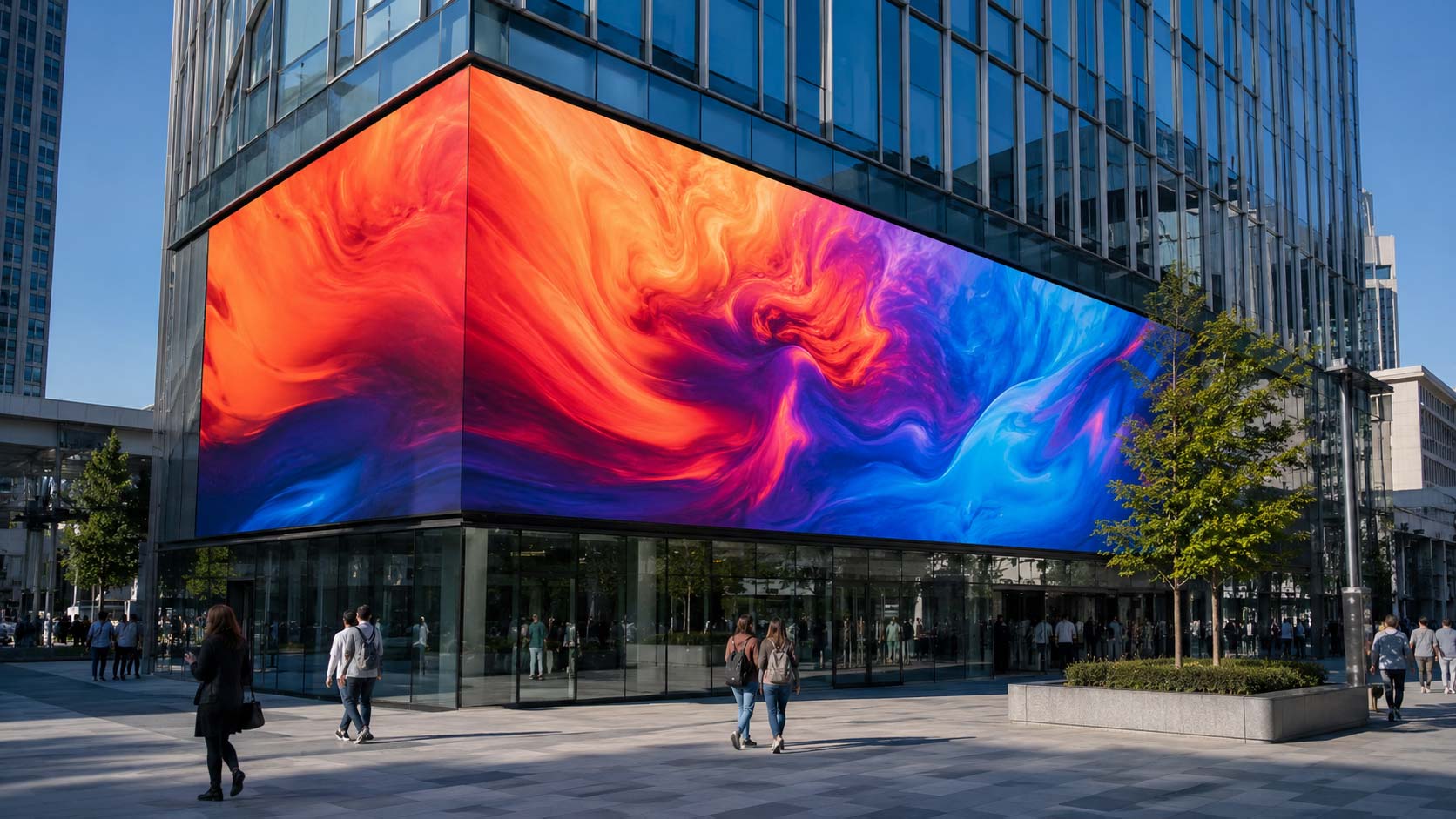
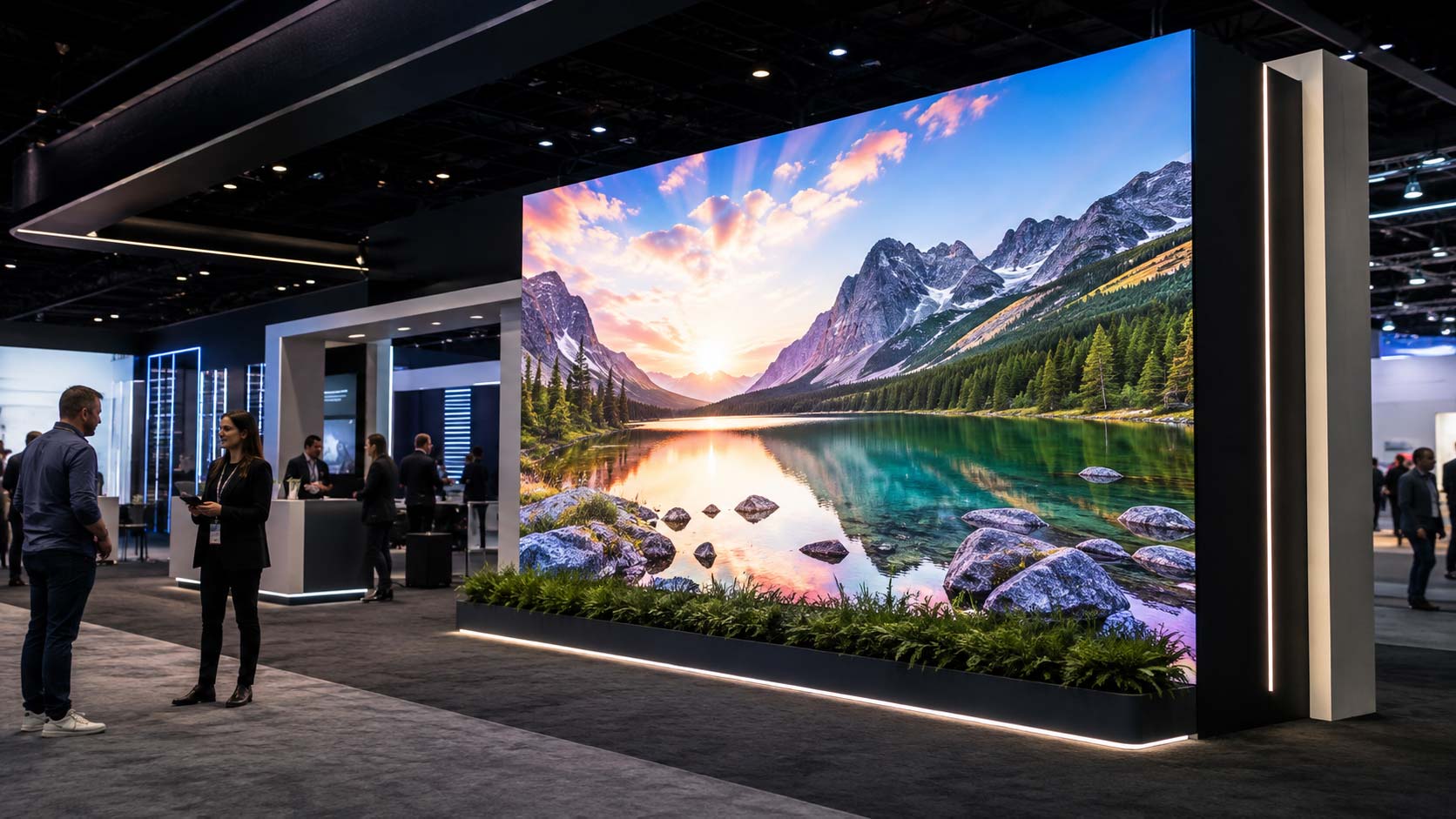
An indoor installation viewed from a short distance may require fine-pitch LED display panels for sharper detail. Outdoor LED walls may need higher brightness, larger formats, and weather-resistant construction.
Selecting the right hardware by location helps the network feel intentional. Performance should follow the needs of the space, not a one-size-fits-all specification.
Architecture Should Decide How the Display Is Installed
Technology should support the architecture rather than compete with it. LED display panels can be wall-mounted, floor-supported, or suspended depending on sightlines, structure, service access, and how people move through the property. Good integration makes the display feel like part of the building from the start.
Common configurations include:
- Wall-mounted systems for corridors and interior facades.
- Floor-supported structures for lobbies, plazas, and welcome areas.
- Suspended installations for atriums and multi-level event spaces.
Visibility Changes From Every Direction
People rarely view a display from a fixed, head-on position. They may approach from an angle, move between floors, descend an escalator, or pass the property in a vehicle. Placement, viewing angle, and distance all affect how clearly the message is understood.
The Hard Part Is Deciding Who Controls What
The technology is only one part of the system. A mixed-use property also needs clear rules for who can publish content, where it can appear, and when it should run
Centralized Does Not Have to Mean Restrictive
Property management can retain master control over branding, security, schedules, and emergency messaging while giving approved users limited access to specific zones. LED display panels can then support tenant campaigns, resident notices, or event content without creating an operational bottleneck.
The strongest model combines oversight with controlled flexibility.
Create Zones Before Creating Content
Before producing content, divide the property into clear communication zones. Zoning reduces clutter and makes each message more relevant.
Typical zones include:
- Commercial zones for promotions, store visibility, and campaigns.
- Residential zones for community and building information.
- Shared public zones for wayfinding, weather, and property updates.
- Event zones for live programming, activations, and entertainment.
The Network Should Connect With the Rest of the Property
A visual network is easier to manage when it connects with content management systems, event hardware, media sources, and other smart-building platforms. Integration reduces manual work and gives property teams faster control over scheduling and updates.
In larger properties, connected LED devices can support automated timing, real-time information, and coordinated programming across multiple zones. LED technology becomes more valuable when it works as part of the property’s broader operating system rather than as a separate layer. The result is simpler management and more consistent communication.
The Network Becomes Part of the Property’s Value
A well-planned visual network can contribute to the value and usability of the entire development. It can support retail activity, improve navigation, strengthen events, and make common areas more adaptable.
Retail Value Goes Beyond Selling Ad Space
The value of LED video walls is not limited to third-party advertising. They can help tenants gain visibility, direct visitors toward lower-traffic areas, highlight dining options, and support seasonal campaigns.
Used strategically, American LED screens products can become part of the customer experience rather than just another advertising surface.
Events Can Become a New Layer of Programming
Plazas, atriums, and walkways can become flexible event environments when permanent LED solutions are already in place. Watch parties, cultural programs, presentations, brand activations, and community events can use the same infrastructure without requiring a new temporary setup every time.
That flexibility can create more reasons for people to spend time on the property while opening opportunities for sponsorships, partnerships, and additional programming.
Residents Should Benefit From the Investment Too
Residents should see practical value from the network as well. LED walls can support management announcements, community updates, local programming, and carefully selected visual content in residential areas.
When LED panels are planned around context instead of constant promotion, the technology feels more useful, more intentional, and more appropriate to the property. That is ultimately the advantage of a unified visual strategy: one infrastructure that can support commercial goals, events, daily operations, and community communication without losing coherence.