Purchasing professional display equipment is only the beginning of the investment. While the initial budget usually focuses on hardware and installation, the long-term value of LED technology depends on how well the system is operated, cleaned, calibrated, and supported after launch. For LED video walls and LED display panels, routine care helps preserve image quality, prevent avoidable failures, and extend the equipment’s useful life.
After installation, owners should plan for periodic cleaning, calibration, software updates, replacement parts, and technical access. These expenses are not necessarily high, but they become harder to control when maintenance is treated as an afterthought. A practical plan makes future service more predictable and helps the system continue delivering a strong return.
Below, we analyze what actually happens after installation and how to anticipate costs to avoid surprises in your operating budget.
The Real Cost Starts After the LED Screen Turns On
Installation Day Is Not the Finish Line
The first successful power-up may feel like the end of the project, but it is really the beginning of daily operation. LED video wall packages start proving their value when they support live events, promotions, presentations, worship services, or branded content without interruption.
Long-term performance depends on consistency. Brightness, color accuracy, and reliability should remain stable well beyond the first day, which requires basic monitoring and scheduled maintenance rather than waiting for a visible failure.
Usage Patterns Affect Maintenance
Maintenance needs vary according to operating hours and environmental demands. Operating time has a direct effect on service frequency. LED walls used only a few times per week generally place less stress on power supplies, modules, and cooling systems than LED devices running 12 to 24 hours a day.
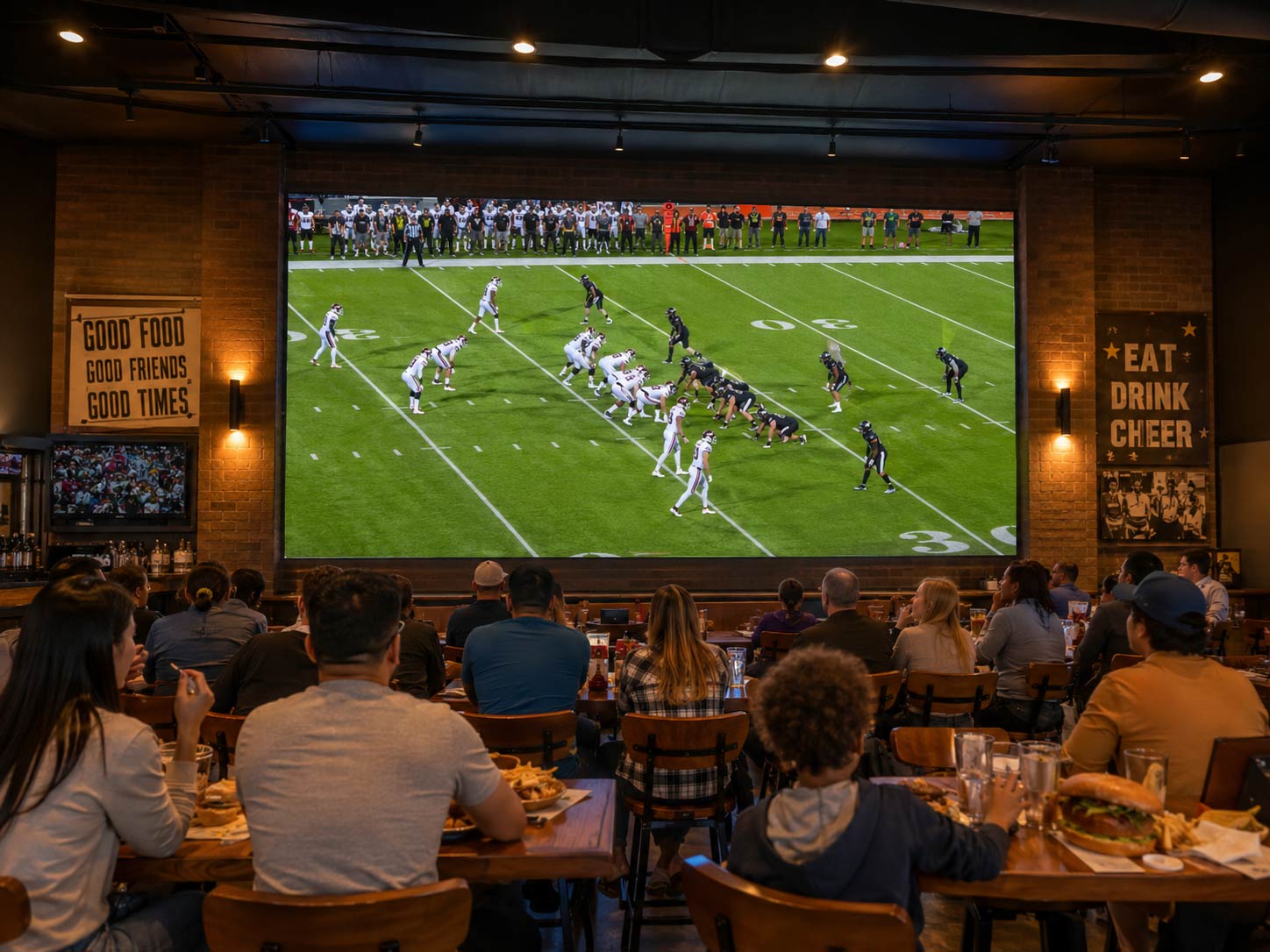
A system installed in a storefront, control room, sports bar, or exterior facade may need more frequent cleaning, temperature checks, and brightness calibration. Heavy use does not automatically lead to problems, but it makes preventive care more important.
Small Issues Can Become Expensive If Access Is Poor
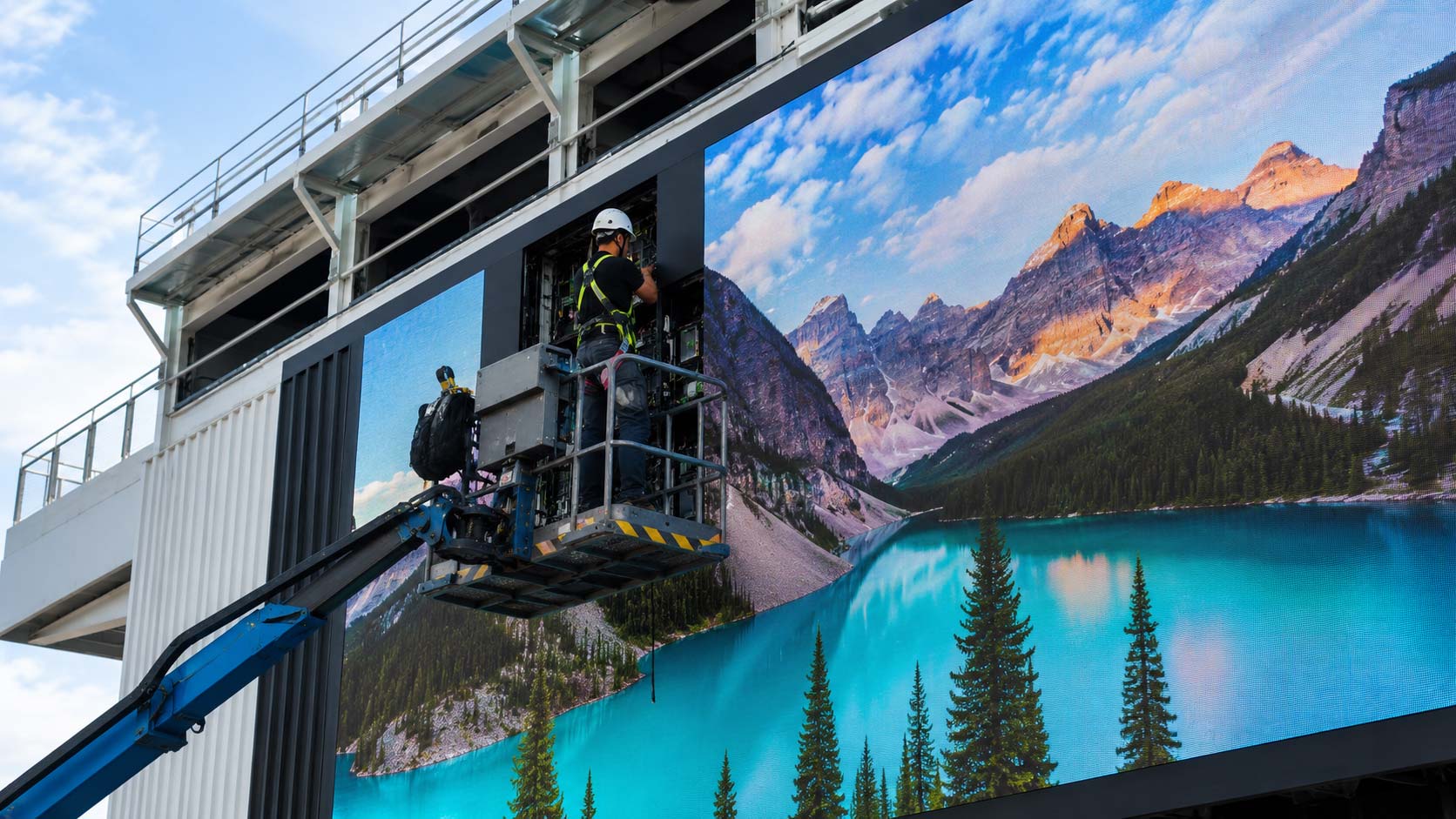
A damaged module, loose cable, or minor control issue can often be resolved quickly. However, poor service access can turn a simple repair into an expensive logistical task. LED panels installed without adequate front or rear access may require lifts, scaffolding, or partial disassembly.
Serviceability should therefore be considered during design. The easier it is for a technician to reach the affected area, the lower the labor cost and the shorter the downtime.
LED Tech Aspects That Need Attention Over Time
Modules, Power, and Signal Components
A complete system relies on multiple components working together. Preventive inspections should cover LED display panels, power supplies, receiving cards, sending cards, processors, data cables, and internal connections. Early detection of heat damage, loose connections, or unstable power can prevent larger failures.
Technicians should also check signal consistency across cabinets. Small transmission issues may first appear as flickering, intermittent sections, or uneven playback, so regular diagnostics help identify problems before they affect the full image.
Brightness and Image Calibration
LED displays may gradually develop small differences in brightness or color as individual diodes age. Periodic calibration keeps the image uniform and reduces visible patches between modules.
Automatic brightness adjustment can also improve efficiency by adapting output to ambient light. When properly configured, it reduces unnecessary power use, limits heat, and creates a more comfortable viewing experience without sacrificing visibility.
Software and Control Updates
The system depends on control software, firmware, mapping, and content-management settings as much as it depends on hardware. Updates help maintain compatibility with current media players, laptops, cameras, and production systems.
Software maintenance should be planned rather than performed only after a malfunction. Backing up configurations and documenting signal paths makes troubleshooting faster and reduces the risk of extended interruptions.
Indoor and Outdoor LED Wall Maintenance Are Not the Same
Indoor Screens Face Dust, Heat, and Daily Use
Indoor LED display panels are protected from rain and wind, but they still face dust, heat buildup, ventilation problems, and continuous use. Fine-pitch systems require especially careful handling because smaller, denser pixels make imperfections more noticeable at close viewing distances.
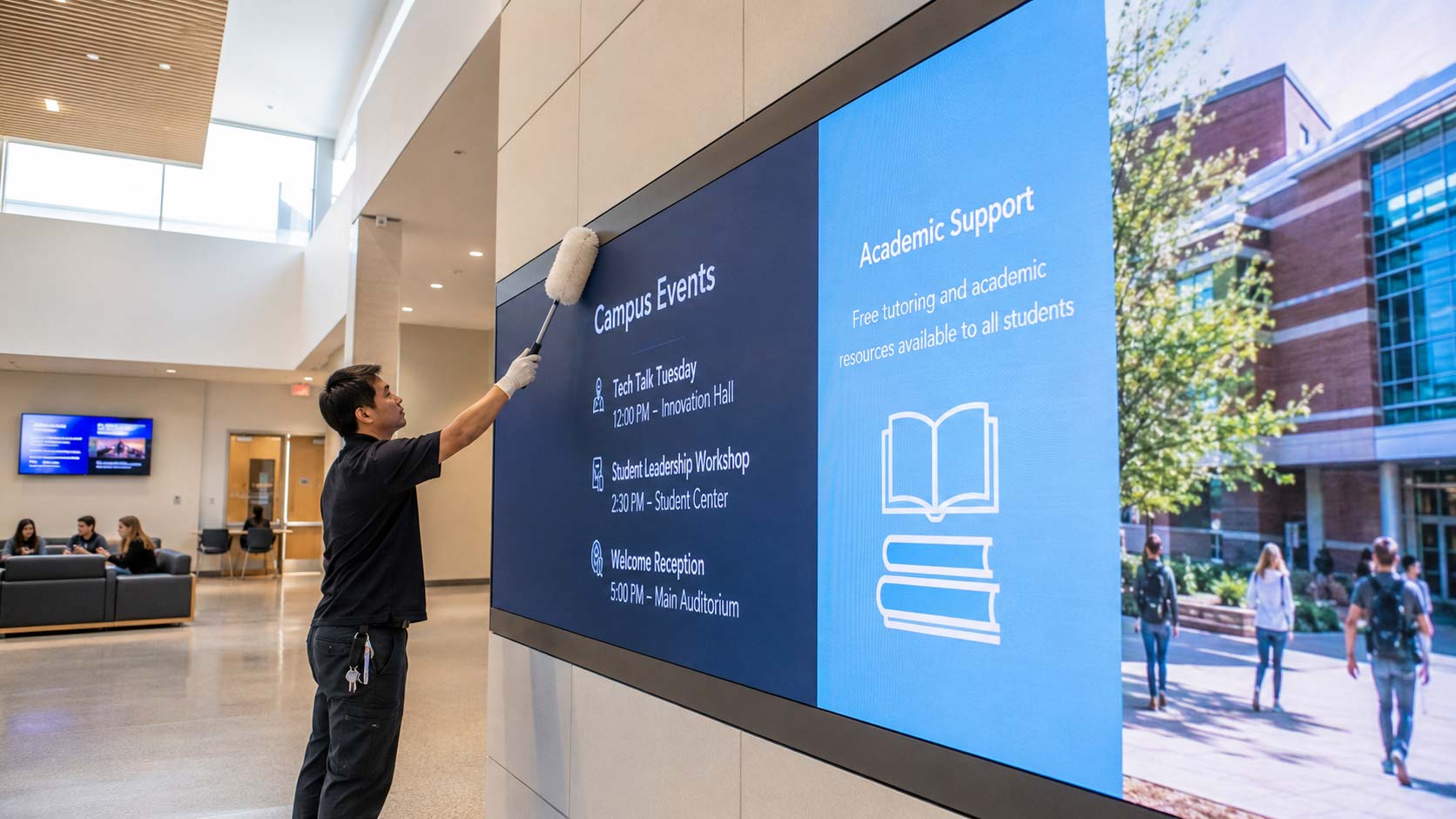
Churches, offices, studios, schools, and enclosed venues should schedule gentle cleaning and ventilation checks. For indoor LED screens, keeping air pathways clear is often one of the simplest ways to protect performance.
Outdoor Screens Need Weather Protection
Outdoor LED walls operate under much harsher conditions. Rain, humidity, pollution, direct sunlight, wind, and temperature changes all increase stress on the system. Weather seals, cabinet integrity, drainage, and cooling systems should be inspected regularly.
Outdoor LED panels also require more frequent surface cleaning because dirt can reduce visibility and trap heat. LED display panels installed outside should be checked for water intrusion, corrosion, and blocked ventilation before these issues damage internal components.
Location Can Increase Service Complexity
Physical placement can affect maintenance costs as much as the equipment itself. A display installed at floor level is easier to service than LED panels mounted on a facade, suspended above a stage, or positioned on a tall structure.
Elevated service may require certified technicians, safety planning, lifts, scaffolding, or cranes. Access requirements should be included in the project budget from the beginning, especially when routine inspections cannot be completed from the ground.
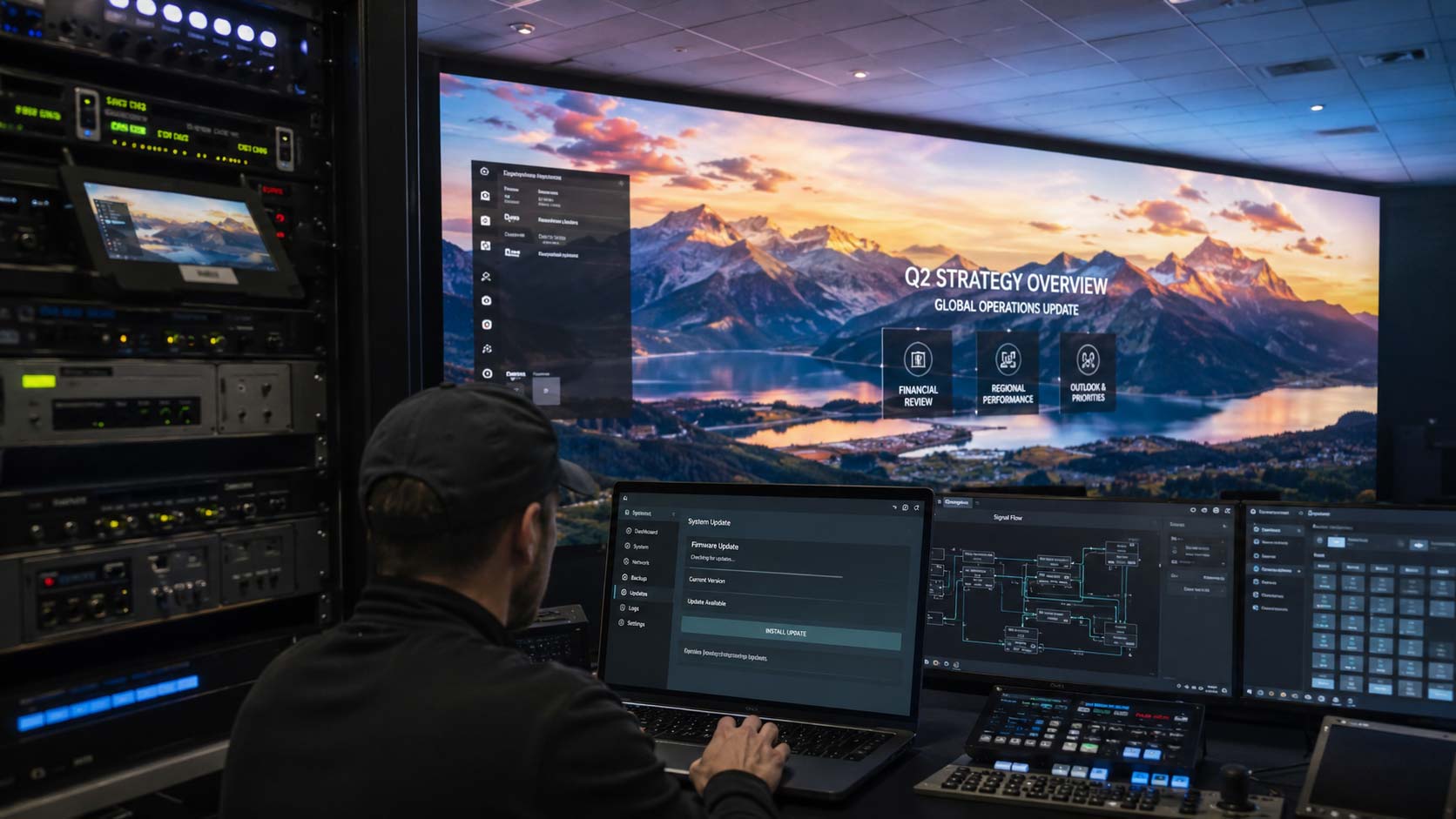
How LED Screen Maintenance Costs Affect Long-Term Value
Downtime Has a Cost Too
Maintenance costs are not limited to replacement parts and technician visits. When LED screens go dark during an event, campaign, service, or live broadcast, the interruption can affect revenue, communication, sponsorship exposure, and brand credibility.
Preventive maintenance reduces that risk. Keeping spare modules and essential components available can shorten recovery time and help restore normal operation before a small problem becomes a visible business issue.
Warranty Can Reduce Uncertainty
A strong warranty and qualified technical support make ownership costs easier to predict. For LED displays, coverage may reduce the financial impact of eligible component failures, although it does not replace routine cleaning, proper operation, or environmental care.
Owners should understand what is covered, how claims are handled, and where replacement parts are stored. Clear warranty terms are most valuable when they are supported by responsive service and practical parts availability.
ROI Depends on Keeping the Screen Useful
The return on LED video walls depends on how long they remain visually effective and operationally reliable. A well-maintained system continues attracting attention, supporting communication, and creating value for years.
Neglected equipment may lose brightness, develop uneven color, or experience repeated downtime. In practice, the best long-term investment is not always the lowest initial price, but the system that remains useful, serviceable, and dependable.
How to Plan for Maintenance Before You Buy
Successful maintenance planning begins before the purchase contract is signed. LED walls should be designed around the installation environment, operating schedule, ventilation, structural conditions, and future service access. Front-service or rear-service requirements must be confirmed before mounting begins.
At American LED Screens, we evaluate these factors early so future maintenance can be completed safely and efficiently. We also help clients identify the spare parts, technical documentation, and support resources needed for their specific installation.
Internal teams should receive practical training on basic operation, content changes, shutdown procedures, and common warning signs. Clear responsibilities prevent small issues from being ignored or mishandled.
For organizations managing multiple input sources or frequent content updates, LED solutions should include documented configurations and reliable support channels. With the right planning, maintenance becomes a manageable routine that protects image quality, controls costs, and extends the value of the investment.