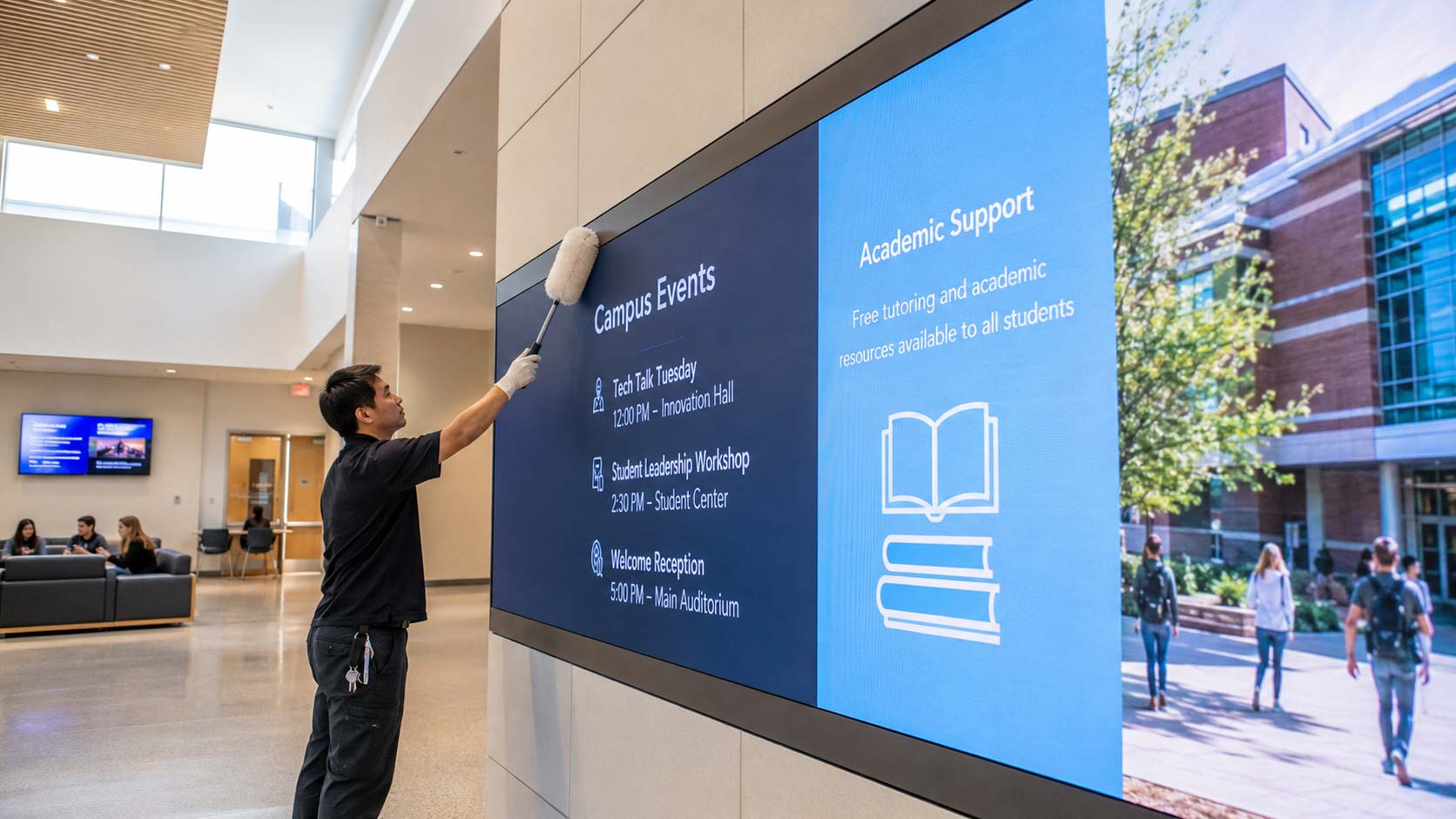
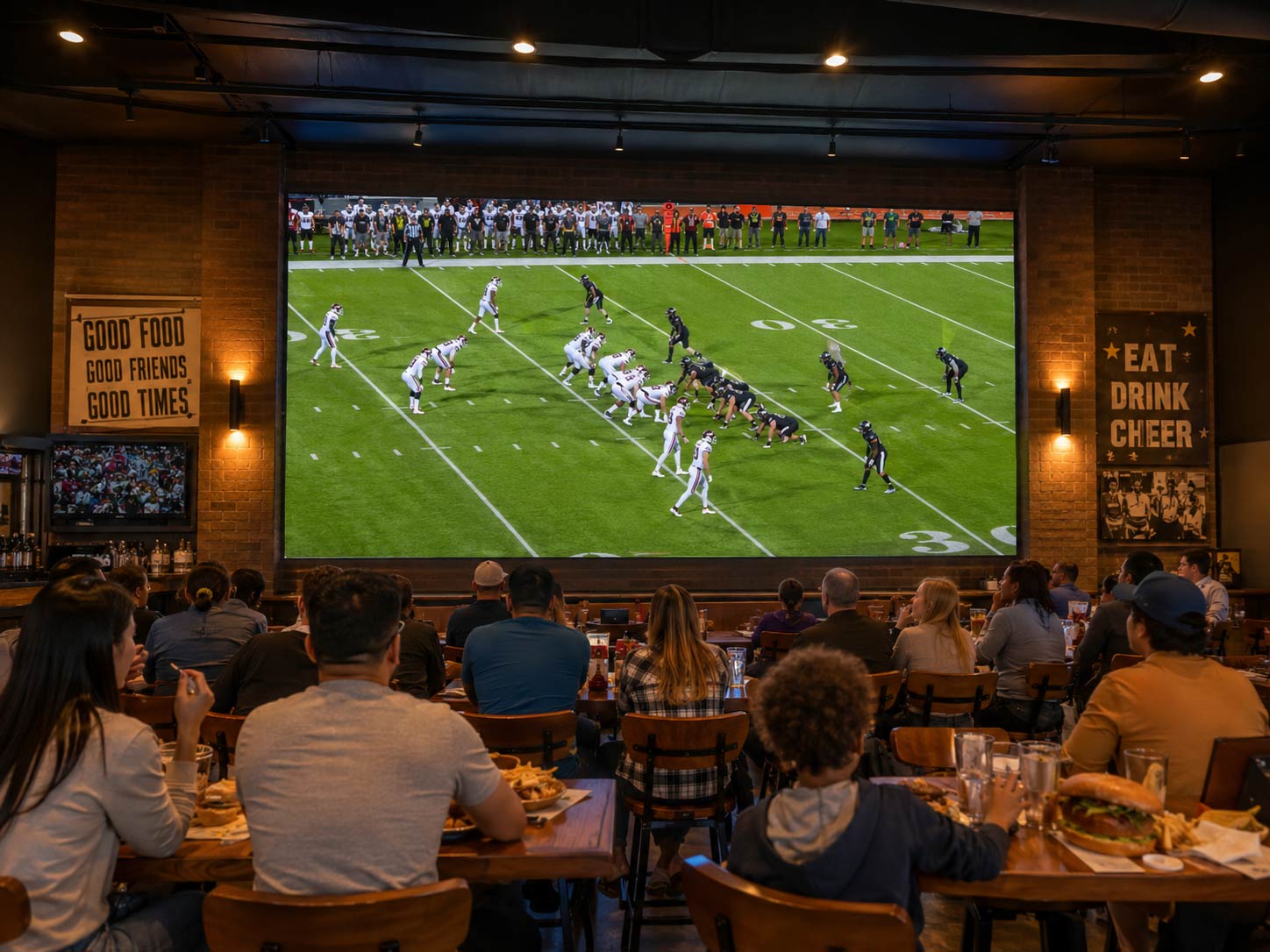
Installing a commercial screen takes more than finding a nearby outlet. Electrical requirements depend on the complete system: its cabinets, power supplies, control equipment, and how long it will operate each day. For LED video walls, those details should be settled before mounting structures go up or electrical rough-in begins.
A solid site plan helps prevent overloaded circuits, inconvenient service access, and expensive last-minute changes. Here is what facility owners, contractors, and audiovisual integrators should address before installation.

Build the Power Budget Before the Electrician Builds the Circuits
Start With Maximum Load, Not What the Screen Usually Consumes
Manufacturers often publish both maximum and typical power consumption. LED display panels may draw less power during dark scenes or at reduced brightness, but average usage is not a safe basis for circuit sizing. Start with the manufacturer’s rated electrical requirements for the exact configuration, then have a licensed electrician calculate the required capacity.
Screen Size Alone Does Not Tell You the Electrical Load
Two screens of identical dimensions can have different power needs. Pixel pitch, cabinet design, brightness, and power-supply efficiency all affect consumption. An indoor installation and an outdoor advertising system may require very different electrical infrastructure, even when their viewing areas match.
Brightness Is Also an Electrical Variable
Automatic dimming can lower operating costs, particularly when ambient light changes throughout the day. But LED displays still need infrastructure that accommodates their specified maximum demand. Treat brightness controls as an efficiency feature, not a reason to reduce planned circuit capacity.
Turn the Power Budget Into a Real Electrical Plan
One Large LED Wall May Need Multiple Branch Circuits
Larger LED wall packages often spread their electrical load across multiple branch circuits rather than a single outlet. The electrician should use cabinet counts, manufacturer ratings, supply voltage, and applicable code requirements to establish circuit quantities, breaker ratings, conductor sizes, and load distribution. The number of connections should come from the design, not a rule of thumb.
120V, 208V, or 240V Is a Project Decision
Input-voltage compatibility varies by product. Some LED panels and controllers accept 100–240 V AC, but a wide input range does not eliminate the need for a coordinated electrical plan. Confirm voltage, frequency, current, and distribution requirements for every component before choosing the supply arrangement.
Continuous Operation Changes the Conversation
An installation used for long operating hours may need to be evaluated as a continuous load. If indoor LED screens function as commercial electric signs, NEC Article 600 may apply, including provisions for branch circuits and disconnects. Different rules can govern stage, broadcast, and other audiovisual uses. A licensed electrician should verify the classification with the local Authority Having Jurisdiction (AHJ).
Existing Electrical Capacity Should Be Verified, Not Assumed
An electrical panel near the mounting location is not proof that the building can support additional equipment. Before installing LED display panels, check available breaker spaces, service capacity, existing loads, panel location, and viable cable routes. Identifying an upgrade early is far cheaper than discovering the problem once construction is underway.
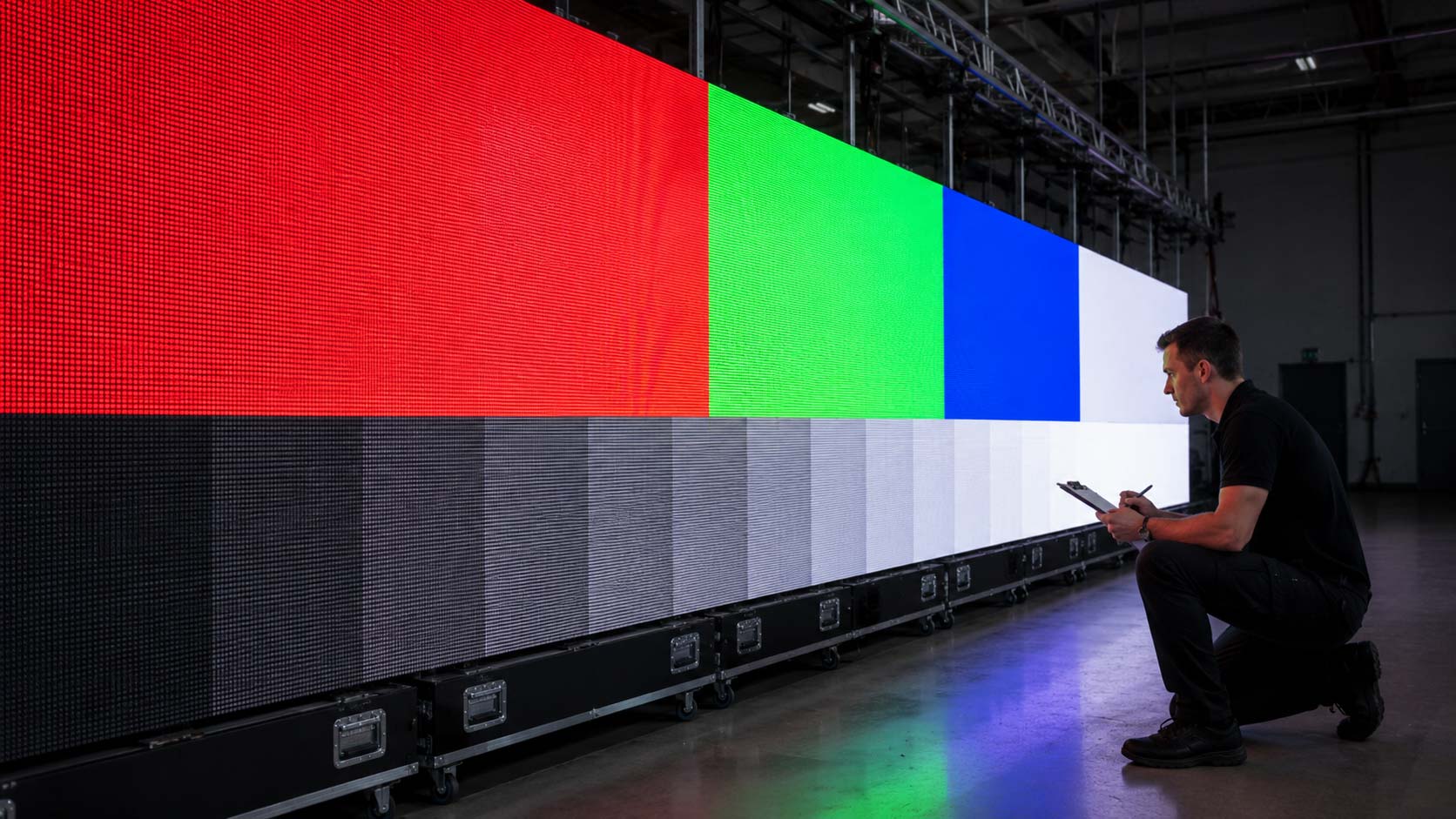

Distance and Distribution Can Create Problems Even When the Wattage Is Correct
Voltage Drop Matters on Long Runs
Long cable runs can cause voltage drop even when the circuit’s amperage appears adequate. NEC informational notes offer a 3% design recommendation for a branch circuit and 5% for the feeder and branch circuit combined; these are general recommendations, not universal mandatory limits. A qualified electrician must make the final calculation for the installation.
Power Should Follow the Physical LED Layout
Mounting style determines where power can safely enter the system. Wall-mounted LED walls need accessible, discreet connections; floor-supported designs can route cables through the base; and flown installations need properly secured runs that do not interfere with rigging. Electrical and structural plans should be coordinated from the outset.
Do Not Forget the Equipment Outside the LED Cabinets
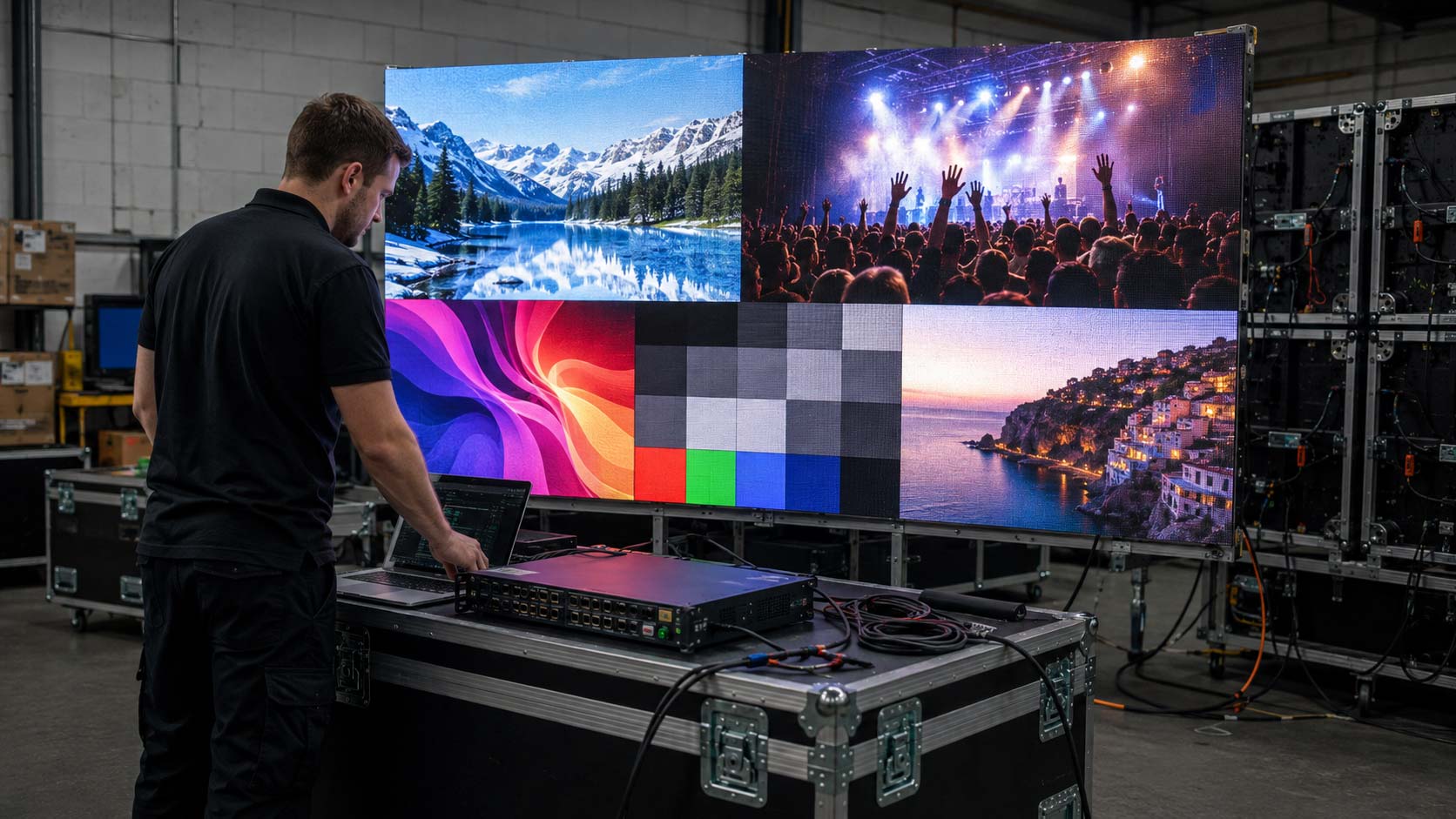
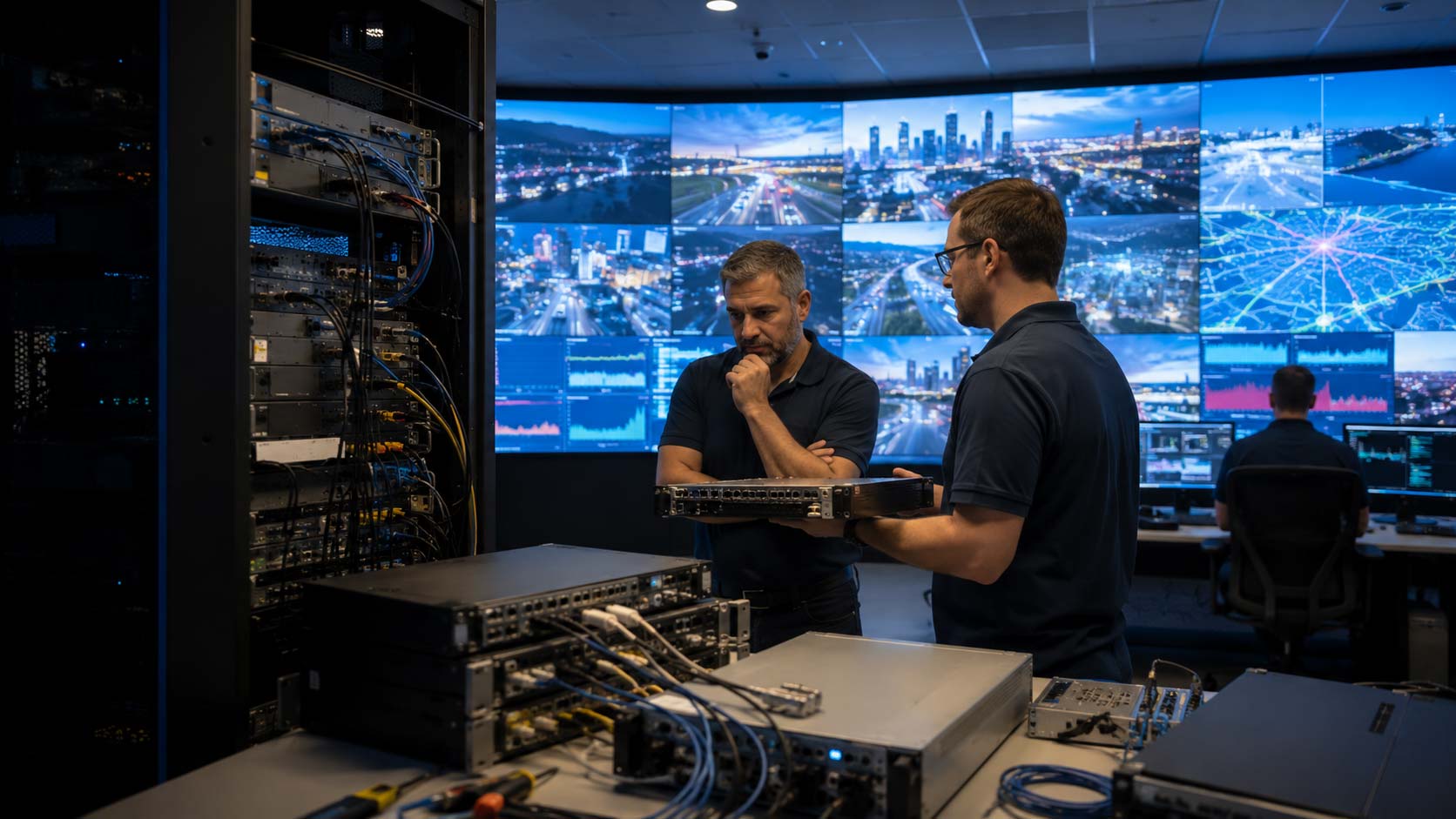
With LED walls, the cabinets are only part of the load. Include processors, NovaStar controllers, media players, network switches, fiber converters, and control-rack equipment in the power budget. Some LED devices may require separate outlets, rack power distribution, or backup power, depending on their role and the manufacturer’s instructions.
Signal and Power Routes Should Be Designed Together
Power and data cabling serve different purposes, but both must reach the right cabinets. Coordinate conduit paths, cable separation, access points, and equipment locations before walls or ceilings are finished. LED technology relies on an uninterrupted signal path from the source and processor to the receiving cards; poor cable planning makes troubleshooting harder.
Electrical Safety and Serviceability Continue Behind the LED Display
Grounding and Bonding Are Part of the Display System
Proper grounding and bonding are essential for electrical safety and dependable operation. LED panels, cabinets, racks, and supporting equipment must be installed according to manufacturer instructions and the applicable electrical code. These connections should be planned with the rest of the infrastructure, not improvised during installation.
The Display Needs a Safe Way to Be De-Energized
Technicians need a safe method to isolate power before servicing equipment. Depending on the installation’s classification, an accessible disconnect or a lockable disconnecting means may be required. Determine the location and requirements with the electrician before the screen is mounted.
Front Service Changes Where Electrical Components Can Be Reached
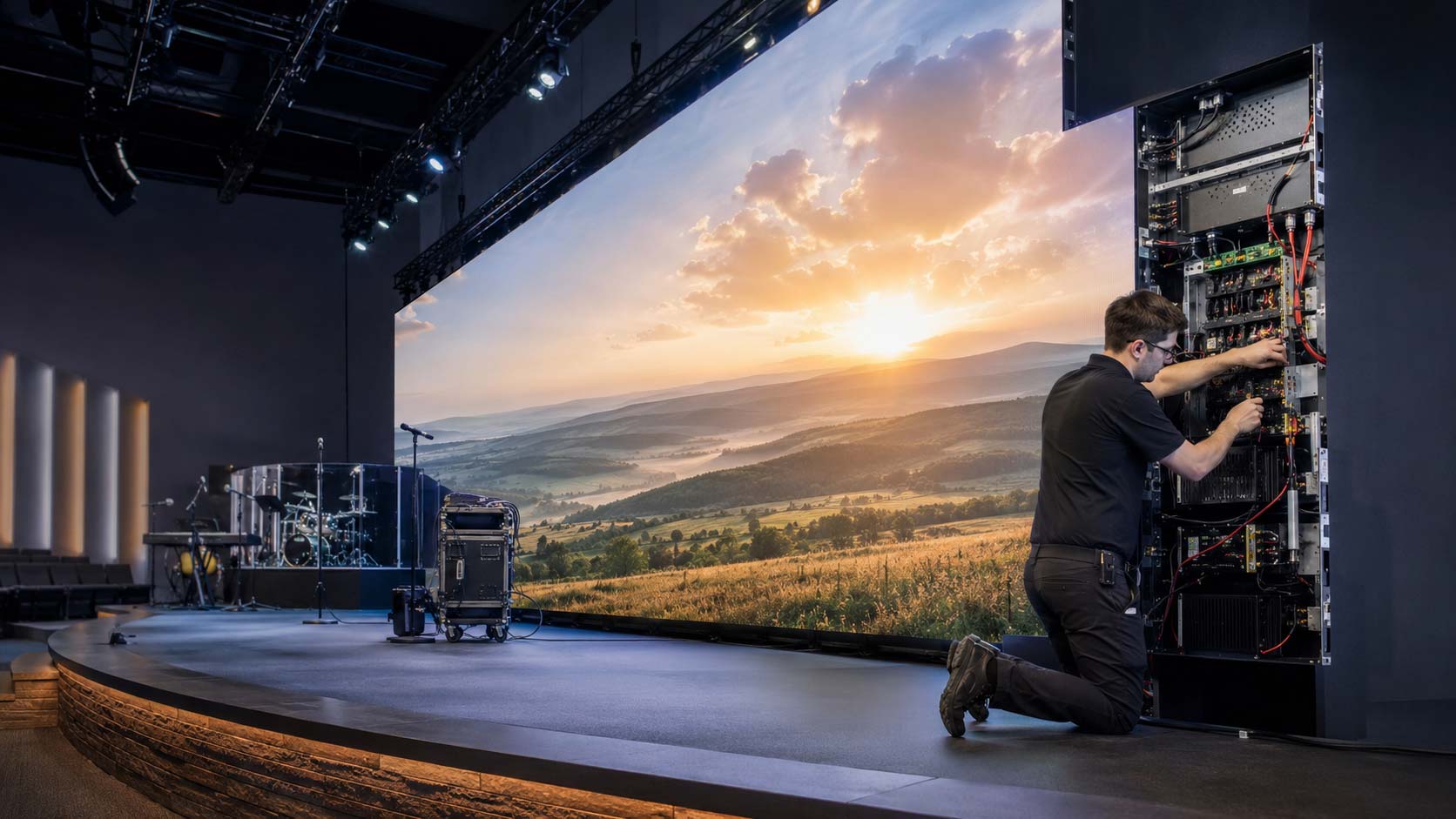
Many LED display panels use front-service designs that allow technicians to remove modules and access internal parts without working behind the wall. Power connections must remain serviceable, especially in recessed installations with little or no rear clearance. Confirm access to power supplies, cables, and disconnect points before closing the structure.
Heat Is the Electrical Problem Buyers Rarely Ask About
LED panels and power supplies generate heat during operation. Recessed or enclosed LED displays need adequate ventilation to keep cabinets, power supplies, and processors within their specified operating temperatures. Follow the manufacturer’s clearance and cooling guidance rather than assuming the surrounding space provides enough airflow.
Energize the LED Video Wall Only After the Site Is Ready for It
Test the Screen Under a Realistic Load
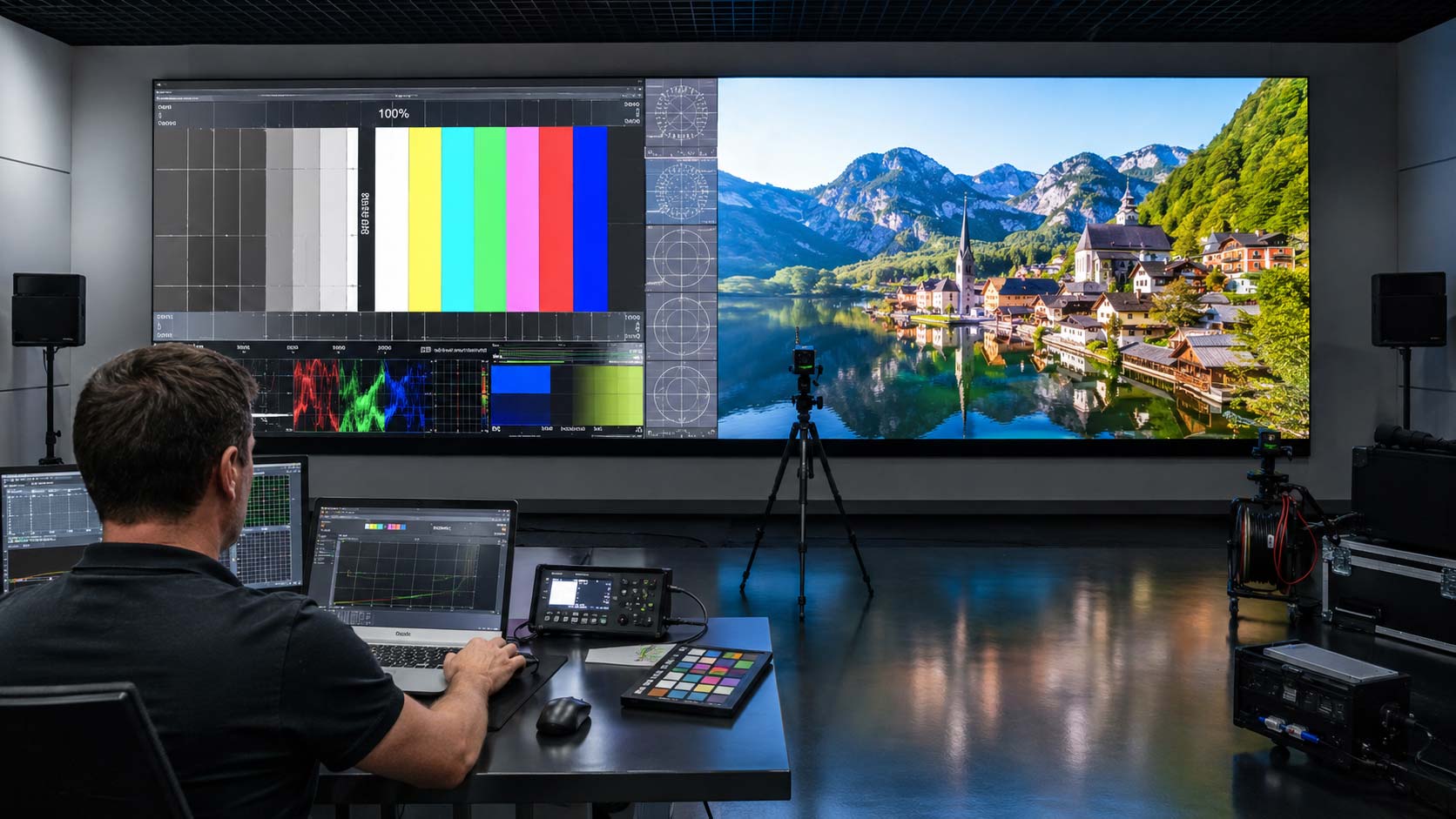
A successful power-on test is only the beginning. During commissioning, run LED video walls under representative operating conditions, checking input voltage, circuit loading, connections, and any manufacturer-prescribed tests. Address unexpected breaker trips or thermal warnings before handing the installation over.
Electrical Stability Protects Visual Performance Too
An unstable supply can cause shutdowns, flickering, or intermittent equipment faults. Correct power distribution helps LED screens operate reliably, while image quality also depends on proper processing, configuration, and calibration. A well-designed installation accounts for all three rather than treating power as an afterthought.
Plan for Operating Costs Alongside Installation Costs
Budget for both installation and day-to-day electricity use. Efficient equipment, sensible brightness settings, and service access can help control lifetime costs. American LED Screens can help buyers compare LED solutions and confirm product specifications, while a licensed electrician designs and approves the site’s electrical work. The same planning principles apply whether a project uses LED video walls for permanent signage or LED displays for live events.