
Convention centers are built for movement. People arrive in waves, exhibitors prepare booths, speakers move between rooms, sponsors compete for attention, and event teams adjust schedules throughout the day. In that kind of environment, visual communication has to be fast, clear, and easy to manage.
That is why LED display packages have become such a strong fit for high-traffic venues. They help organize the space, guide attendees, support exhibitors, promote sponsors, elevate stages, and keep information current when plans change quickly.
A convention center may host a technology expo one week, a medical congress the next, and a corporate product launch a few days later. Each event brings different layouts, branding needs, audience sizes, lighting conditions, and content formats. The right LED video walls give the venue the flexibility to adapt without rebuilding its communication system every time.
For venue managers, this is not only about image quality. It is about smoother operations, faster changeovers, stronger sponsorship opportunities, and a more modern visitor experience. In a space where thousands of people need to know where to go, what to see, and which brands to remember, LED screens become part of the venue’s business strategy.

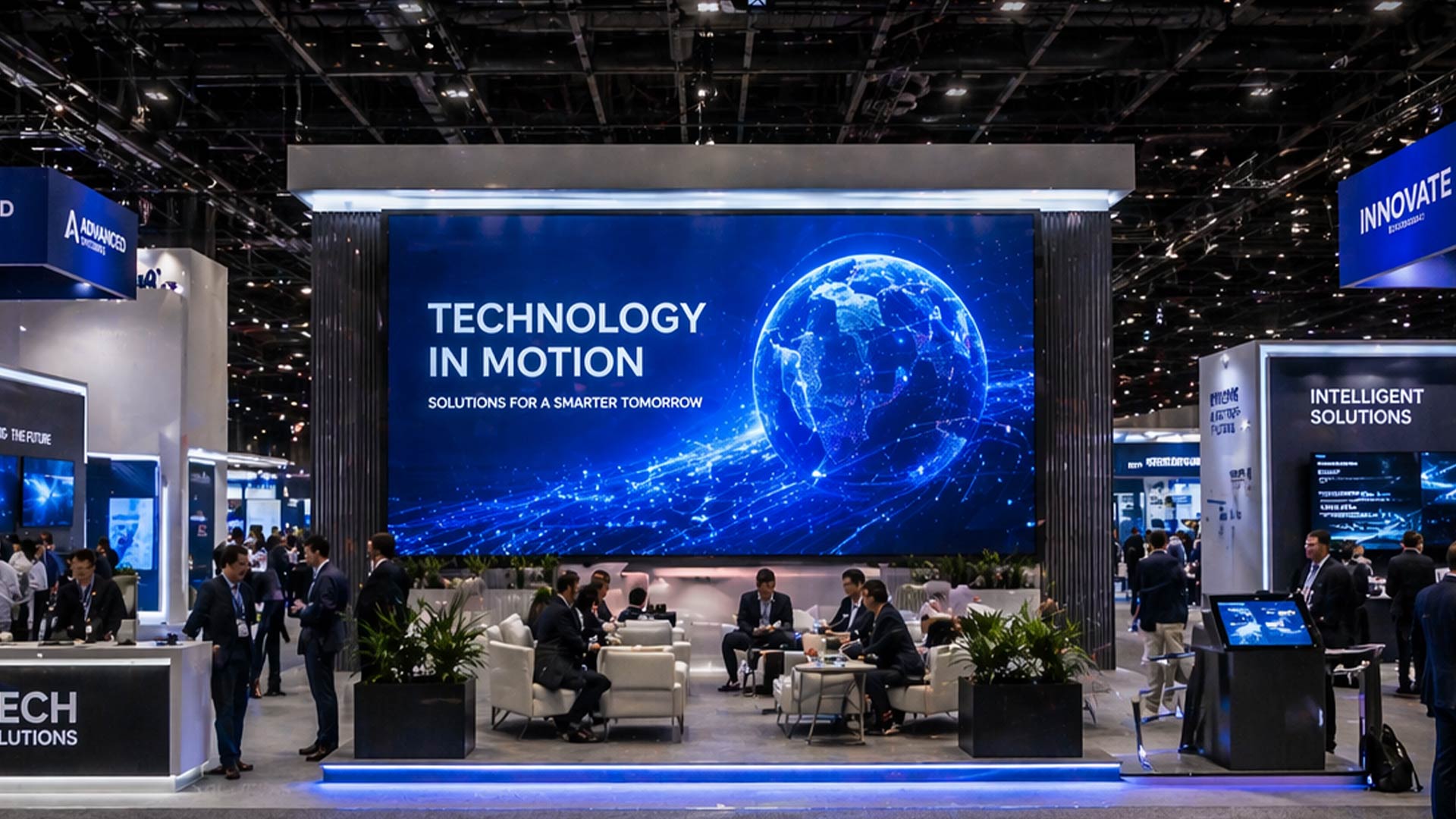


Why Convention Centers Need LED Video Walls
A convention center has to perform like several venues at once. It may function as an exhibition hall, conference facility, networking space, entertainment venue, brand showcase, and information hub in the same day. LED technology supports that constant change by giving event teams a more flexible way to communicate.
Spaces That Change From Event to Event
Unlike a retail store, church, or corporate lobby, a convention center rarely has one fixed visual purpose. One event may need wide LED display panels behind a keynote stage. Another may need directional signage across multiple halls. A third may require sponsor branding at registration, digital maps near entrances, and smaller LED panels in breakout rooms.
That variety makes adaptability essential. The same venue may need different screen sizes, content sources, and installation methods depending on the event. Ground support can work well for temporary exhibit areas or sponsor activations. Wall-mounted installation may be better for permanent wayfinding, entrance displays, or hallway communication. A flown method can support stages and large presentations while keeping valuable floor space open.
This is where LED video walls for trade shows become useful beyond their visual impact. Their modular nature allows convention centers to configure displays around the event instead of forcing every event into one fixed visual format.
High-Traffic Environments Demand Clear Communication
In a busy venue, confusion spreads quickly. Attendees need to find check-in areas, session rooms, exhibitor booths, restrooms, food courts, sponsor zones, and transportation points. Printed signs can help, but they cannot always keep up with real-time changes.
LED displays offer clearer, more visible communication across large spaces. They can welcome attendees, promote the day’s agenda, highlight keynote speakers, direct traffic, announce room changes, display safety messages, and showcase sponsor content. Because the content is digital, teams can update it without reprinting materials or replacing static signage.
Brightness, resolution, and viewing distance all matter here. A screen in a sunlit entrance may need stronger brightness than one inside a conference room. A display used for detailed schedules needs enough resolution to keep text readable. Pixel pitch should be selected based on how close attendees will stand to the screen, especially in corridors, registration areas, and booth spaces.
In a high-traffic venue, the best LED screens are not simply the biggest ones. They are the ones people can read, understand, and respond to while moving.
Flexibility Becomes a Business Advantage
Operational flexibility has commercial value. A convention center that can quickly transform its visual environment can offer more to event organizers, exhibitors, and sponsors. That can make the venue more attractive for premium events.
A modern event planner may want branded entry arches, animated sponsor walls, digital wayfinding, real-time schedules, immersive product launch backdrops, and stage visuals that match the event identity. A venue with adaptable LED solutions can support those requests more easily and create new revenue opportunities through sponsorship packages, upgraded exhibitor visibility, and premium branding placements.
This flexibility also helps venues present themselves as current and capable. When attendees walk into a space with dynamic LED video walls, clear digital signage, and polished event branding, the venue immediately feels more organized and professional.
In other words, LED walls do more than improve communication. They can help a convention center sell the experience.


LED Screens Support Multiple Functions Inside Trade Show Venues
Convention centers need screens that can work in more than one location and for more than one purpose. The same technology may support arrival, navigation, education, promotion, entertainment, and revenue generation throughout the building.
From Wayfinding to Main Stage Visuals
LED displays can be used across nearly every area of a convention center. At main entrances, they can welcome attendees and display event branding. In halls and corridors, they can guide traffic and show schedules. In auditoriums, they can support speakers, panel discussions, and sponsor visuals. In exhibit areas, they can help booths stand out. On main stages, LED video walls can create a strong visual backdrop for conferences, ceremonies, product launches, and live presentations.
Each area may require a different configuration. A lobby screen may focus on visibility and branding. A hallway display may prioritize readable text and fast updates. A stage wall may need strong resolution, smooth motion, and a size that supports large audiences. Booth displays may need a tighter pixel pitch because attendees often stand closer to the content.
This range of uses is exactly why LED technology works so well in convention centers. It can scale from practical communication to high-impact visual production without changing the entire system approach.
Better Branding for Exhibitors and Sponsors
Exhibitors and sponsors invest in visibility. In a crowded hall, every brand is competing for a few seconds of attention. Static banners can get lost quickly, especially when many booths are using similar graphics and signage.
LED screens allow brands to use motion, video, product demos, countdowns, animations, live feeds, and rotating messages. Content can change throughout the event, giving sponsors more flexibility than a printed sign. A morning message can promote a keynote, an afternoon update can highlight a product demo, and an evening graphic can invite attendees to a networking reception.
For convention centers, this creates opportunities to offer premium digital placements. Sponsor content can appear at entrances, registration zones, food courts, lounge areas, escalator landings, and high-traffic intersections. LED displays make those placements more valuable because the content is dynamic, noticeable, and easy to update.
A strong display strategy benefits the venue, the organizer, and the sponsor at the same time.
Real-Time Content for Fast-Moving Schedules
Convention centers operate on constant updates. Session times shift, rooms change, speakers run late, breakout sessions fill up, sponsors request visibility, and organizers need to communicate quickly with attendees. A flexible display system helps teams respond without slowing down the event.
Outdoor LED displays can support this rhythm through real-time content management. With the right control systems, teams can update schedules, route attendees, change messaging, and coordinate multiple displays across the venue. A video processor, sending card, and NovaStar ecosystem can help manage signal flow and display performance, especially with larger LED walls or multiple screen zones.
Synchronous systems are useful when content needs to appear live or coordinated across several displays, such as keynote visuals, broadcast feeds, or multi-screen event branding. Asynchronous systems can be practical for scheduled signage, rotating sponsor messages, maps, announcements, and content that does not require a live source at all times.
This gives event teams more control during busy schedules. Instead of relying only on printed materials or manual announcements, the venue can communicate visually and immediately.
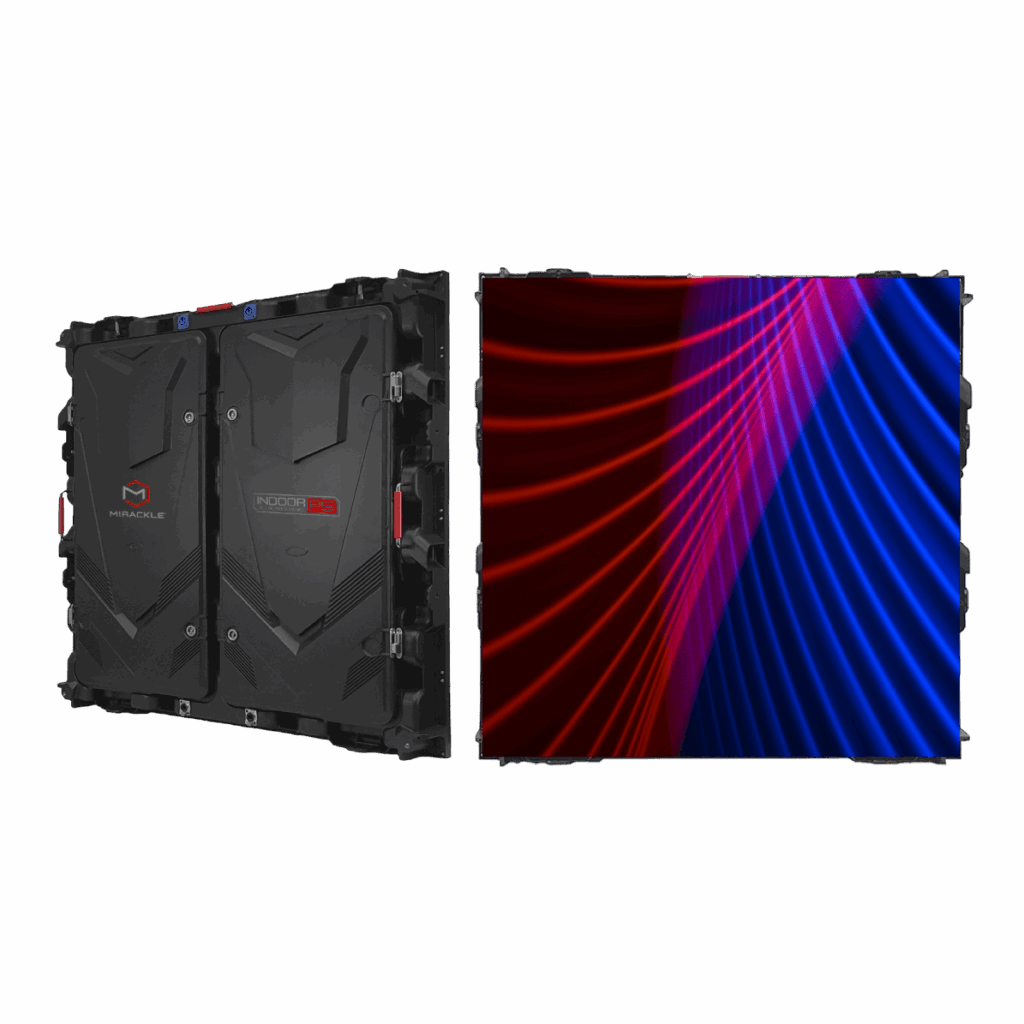
What Makes LED Displays Practical for Conference Center Operations
A convention center does not only need screens that look good. It needs technology that can handle the pace of live events. Setup time, access, maintenance, weight, installation style, and technical compatibility all affect how useful the system becomes in daily operation.
Fast Setup Matters in Busy Event Calendars
The calendar inside a convention center can be relentless. One event ends at night, and another begins setup the next morning. Crews need to move quickly, organizers need predictable timelines, and the venue cannot afford complicated display systems that slow everything down.
LED solutions can be especially valuable when they simplify logistics. Lightweight LED panels are easier to transport, position, and install. Magnetic modules can make handling and service more efficient. Full front service allows technicians to access components from the front of the display, which is useful when the screen is installed against a wall or in a tight event layout.
These details may sound small, but they matter during a fast changeover. A system that is easier to assemble, adjust, and service helps reduce downtime and keeps the venue moving from one event to the next.
For event operations, practicality is part of performance.

Different Installation Styles for Different Areas
Not every screen in a convention center should be installed the same way. A permanent entrance display may need a clean wall-mounted installation. A temporary sponsor wall may work better with ground support. A large stage screen may require a flown method to preserve floor space and improve audience sightlines.
That flexibility allows the venue to match the screen to the purpose of the area. Main halls may need large, bold indoor LED video walls. Corridors may need slimmer displays for navigation. Conference rooms may require more discreet screens for presentations. Exhibit booths may need modular LED panels that can adapt to different footprints.
The best result comes from thinking about the entire venue, not just one screen. When installation methods are planned correctly, LED technology can support the flow of people, content, branding, and event production more naturally.
Maintenance Should Not Interrupt the Experience
In a high-traffic venue, even a minor technical issue can become visible quickly. Attendees may be walking past the screen all day. Sponsors may depend on the content being displayed correctly. Event organizers may need every communication point active during peak hours.
That is why maintenance access matters. Full front service can make adjustments easier without dismantling a large structure. Magnetic modules can help technicians address specific sections more efficiently. Reliable control systems and compatible components also reduce the chance of operational friction during an event.
The goal is not only to fix problems when they happen. It is to choose LED solutions that make maintenance less disruptive from the beginning.
For convention centers, a screen must be more than impressive. It must be dependable under pressure.
Choosing the Right LED Partner for Event Venues Projects
Convention center projects are not simple product purchases. They involve planning, logistics, event operations, content needs, sponsorship value, installation requirements, and long-term use. The right LED partner should understand the venue as a working environment.
Experience Matters Beyond the Product Itself
Simply selling LED panels is not enough for this type of project. A convention center needs a partner who can consider the venue’s workflow, the types of events it hosts, the movement of attendees, the needs of exhibitors, and the technical systems already in place.
A strong partner will ask practical questions. Where will the highest foot traffic happen? Which screens need to be permanent? Which displays must be movable? What type of content will be shown? How often will the setup change? Will the system need to connect with event production, media players, control rooms, or external AV teams?
Those answers shape the final solution. They determine screen size, pixel pitch, mounting style, control configuration, service access, and long-term support.
Support, Planning, and System Compatibility
The right LED solution should fit the venue’s daily operation, not complicate it. That requires planning, technical support, component compatibility, and a complete view of how the system will be used.
Convention centers may need LED displays that connect with different inputs, video sources, scheduling software, production switchers, media servers, and other hardware technologies. A reliable partner can help align these components so the final system feels organized, stable, and easier to manage.
Support is equally important after installation. Event venues need confidence that their screens can be maintained, adjusted, and expanded as new needs appear. A display system should not feel like a one-time purchase. It should become part of the venue’s long-term communication infrastructure.
Why American LED Screens Fits This Type of Venue
American LED Screens is an experienced option for convention centers that need flexible, visually strong, and operationally practical LED solutions. For venues that host trade shows, conferences, exhibitions, product launches, sponsor activations, and corporate events, the right screen strategy can improve communication and create stronger visual value throughout the building.
With versatile LED displays, installation options, support, durability, strong technology integration, and reliable visual performance, American LED Screens can help convention centers build display systems that make sense for high-traffic use. The result is more than a brighter venue. It is a smarter, more adaptable environment built for modern events and long-term value.
Get everything you need