A screen failure does not automatically mean the entire system needs to be replaced. The smarter decision is to identify what is failing, how often it fails, and whether the system still supports the business. In most cases, there are three practical options: repair, expand, or replace.
The right path depends on more than the cost of the next service call. LED video walls may remain worth repairing when their core hardware is healthy, while LED walls that no longer meet current space, content, or integration requirements may justify a larger upgrade. The goal is to protect performance and long-term value rather than default to the most expensive option.
Repair Makes Sense When the Core LED System Is Still Healthy
A Localized Failure Usually Needs a Localized Fix
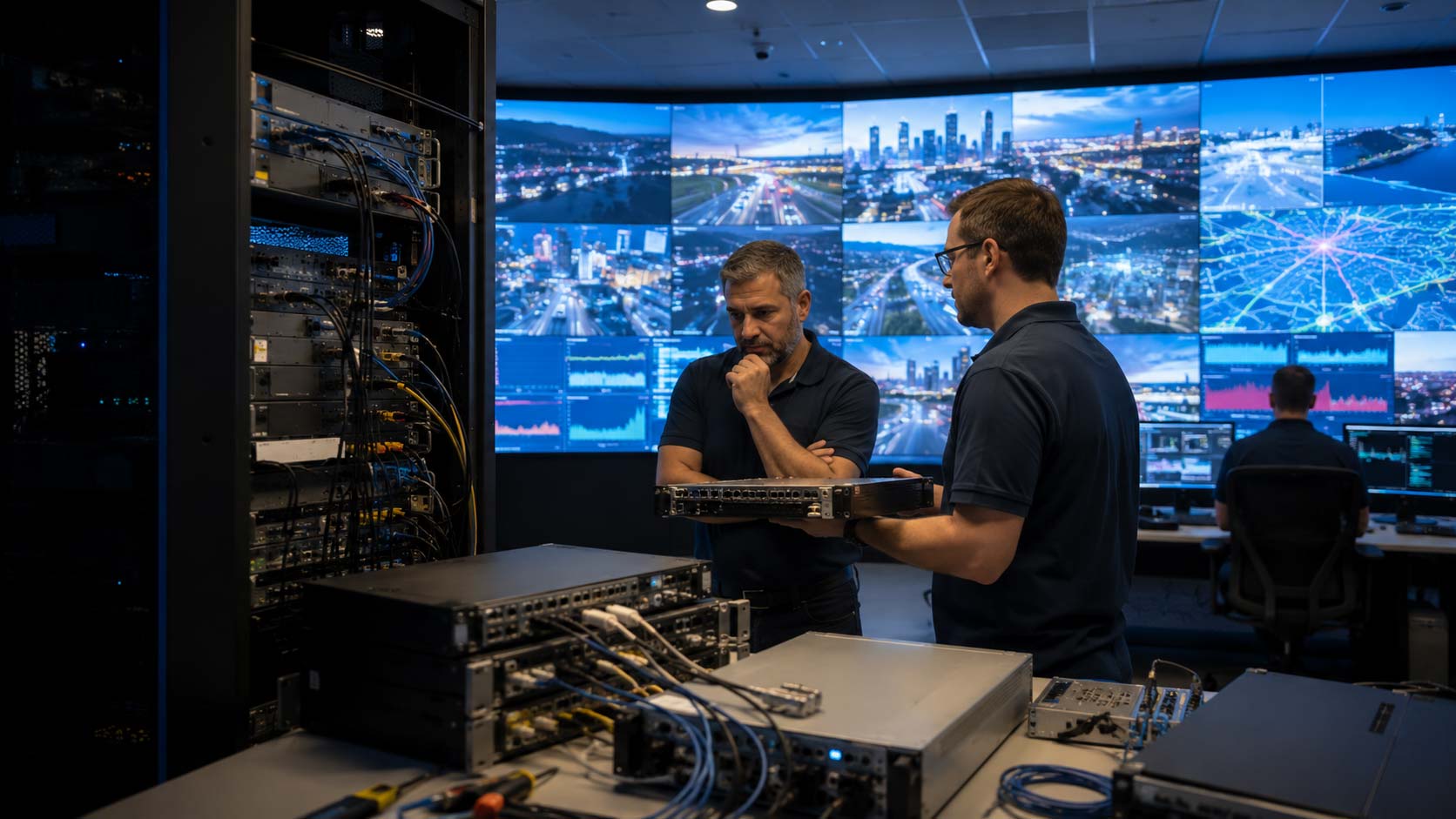
If most of the system is operating normally, a single failed component rarely justifies replacing the entire installation. Localized problems should usually receive localized repairs first. Faulty modules, power supplies, receiver cards, or cables can often be replaced without disrupting the rest of the system.
For LED display packages with otherwise healthy processing and power architecture, this approach can extend useful life at a relatively low cost. The same is true for LED display panels that develop isolated faults while the surrounding hardware remains stable. Targeted repairs preserve the investment without creating unnecessary capital expense.
Consistency Matters After the Repair
Replacing a component is only part of the job. New modules can appear brighter or slightly different in color than components that have already accumulated thousands of operating hours. Without calibration, the repair may be technically successful but visually obvious.
After servicing LED screens, technicians should verify luminance, color temperature, and module uniformity. LED panels may also require recalibration after replacement so the repaired area blends naturally with the rest of the image. A good repair should disappear once the system is back in operation.
Know When Maintenance Is Becoming a Pattern
Repair remains economical while failures are occasional. Once service calls, downtime, and parts replacement become routine, however, maintenance begins to behave like a recurring operating expense rather than an isolated repair cost.
Warranty coverage can significantly change that equation. If replacement parts remain covered, maintaining LED video walls may still make financial sense. Without coverage, repeated failures across LED walls can quickly outweigh the value of extending an aging system. The pattern matters more than any single failure.
At American LED Screens, our 5-year warranty adds another layer of protection, helping make long-term ownership more predictable when isolated issues occur.
Expansion Is the Right Move When the LED Screen Still Works
Sometimes the Problem Is Simply Size
A system can perform perfectly and still become too small for its environment. Business growth often changes the required viewing area before it changes the technology itself. A larger sanctuary, wider stage, expanded retail floor, or reconfigured seating plan can all make the original display feel undersized.
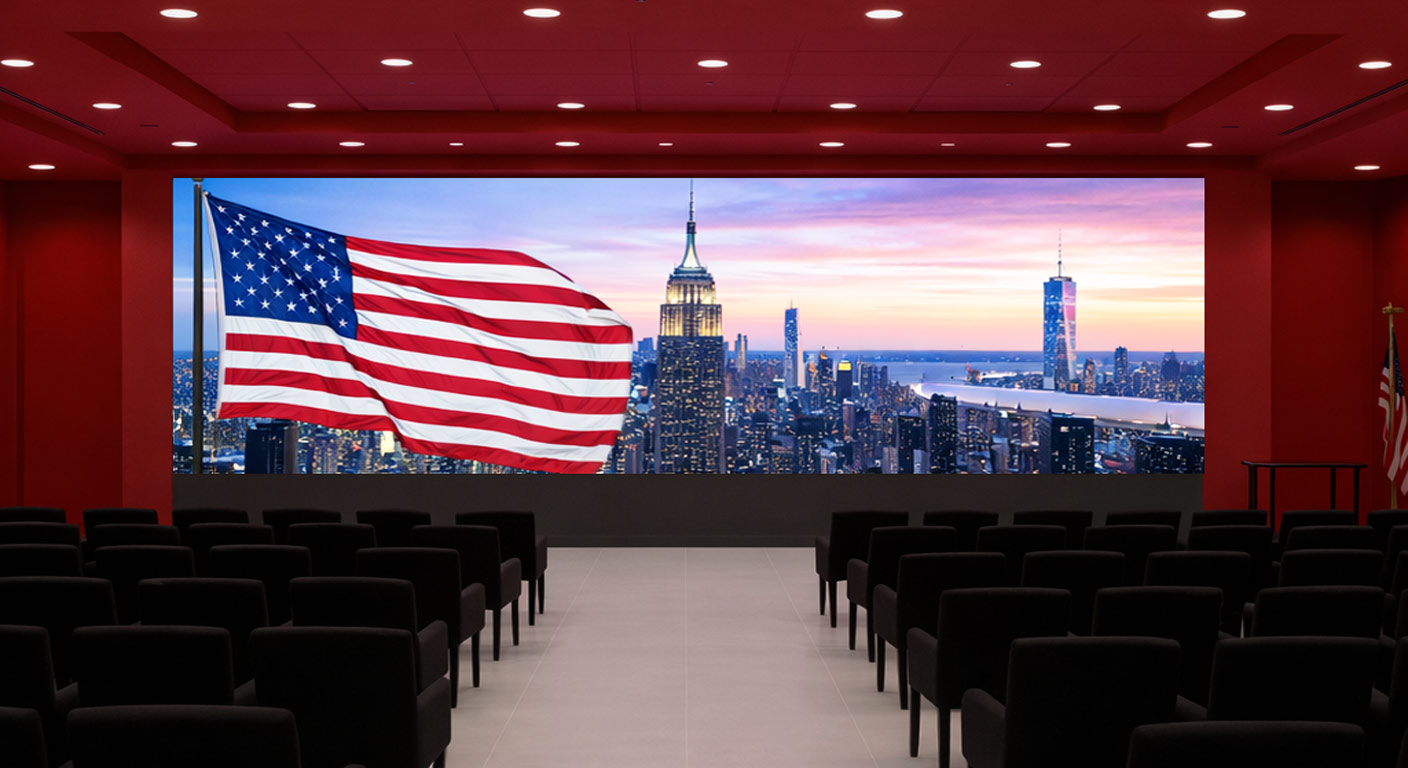
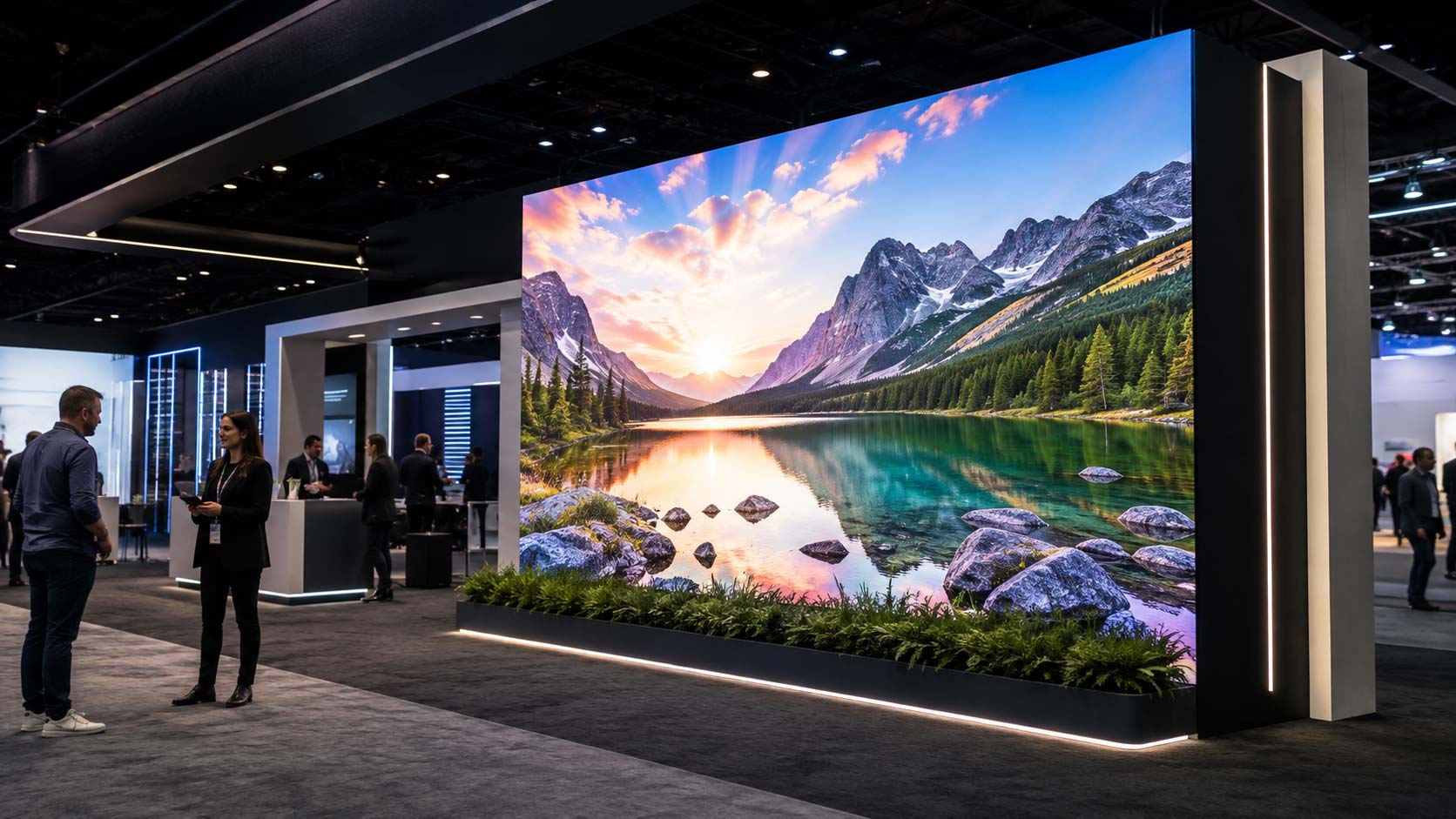
In these cases, LED displays can often be expanded rather than replaced. Modular LED display panels are especially useful when the existing system was designed with future growth in mind. Well-planned LED solutions can scale without forcing a complete rebuild. If image quality and reliability remain strong, adding display area can be the most efficient upgrade.
Can the Existing Wall Grow Cleanly?
Modularity does not mean unlimited compatibility. Before expanding LED screens, the new cabinets must match the existing system closely enough to maintain a uniform image and reliable operation. Pixel pitch, cabinet dimensions, mounting hardware, brightness, and control architecture all need to align.
The processor and receiving hardware must also support the additional resolution. When adding LED panels from a newer production generation, calibration may be needed to correct differences in brightness or color. Expansion only works well when the added hardware behaves like part of the original system.
Expansion Can Change the Installation Strategy
A larger display also means more weight, different load distribution, and potentially greater power requirements. Structural planning should be reviewed before any cabinets are added.
For wall-mounted LED video walls, the supporting structure must be checked for the additional load. Ground-supported LED walls may require a wider or reinforced base, while flown systems need certified truss, rigging, and motor capacity for the new total weight. A visual upgrade should never compromise structural safety.
Replacement Becomes Logical When the Old System Limits the New One
New Content Can Expose Old Hardware
Older hardware can remain functional while becoming unsuitable for newer workflows. A system does not need to fail to become a business limitation. Higher-resolution cameras, live streaming, event recording, and fast-moving content can expose weaknesses that were not obvious when the installation was new.
For example, LED displays with inadequate refresh rates may show flicker or scan lines on camera. Older LED display panels may also struggle with newer processors or more demanding signal formats. Replacement becomes reasonable when the hardware prevents the content from meeting the required standard.
The Environment May Demand More Than Before
Outdoor LED screens and commercial installations also age physically. Seals can deteriorate, coatings can wear, and long-term exposure can reduce brightness. Environmental protection should be judged by current condition, not by the original specification sheet.
LED screens that have lost too much luminance may no longer remain readable in direct sunlight. LED panels with compromised weather sealing can also become vulnerable to moisture, dust, and temperature swings. If environmental resistance can no longer be restored reliably, replacement may cost less than repeated failures.
Compatibility Eventually Becomes a Business Issue
Obsolescence often appears first as an integration problem. The system still turns on, but connecting older LED devices to modern AV infrastructure can become increasingly difficult.
Older LED video walls may depend on processors, ports, or control software that are no longer supported. LED walls can also become expensive to maintain when spare parts are scarce or modern content management platforms require workarounds. Once compatibility problems consume technical time and create operational risk, replacement becomes a business decision rather than a hardware decision.
Make the Decision With a Five-Year View
Compare Cost of Ownership, Not Just Today’s Invoice
A repair invoice only shows the immediate expense. A better decision looks at what the system is likely to cost over the next several years.
True Cost = Current Repair Cost + Projected Future Maintenance + Downtime Cost + Loss Due to Technical Limitations
For aging LED displays, repeated service visits, interrupted events, and reduced visual performance can quickly add up. LED display panels that depend on difficult-to-source parts may also create longer downtime when a failure occurs. The cheapest repair today may become the most expensive path over time.
At American LED Screens, we help clients evaluate hardware condition, service history, future requirements, and expected operating costs. That assessment makes it easier to determine whether continued maintenance still delivers value or whether capital is better directed toward an upgrade.
Think About What the Screen Will Need to Do Next
Before approving a major repair, consider what the system will need to support over the next five years. Future requirements can be more important than present-day functionality.
Will the venue expand or change its seating layout? Will the display need to support 4K cameras, live production, or more advanced content? Will LED panels need to integrate with remote monitoring, cloud-based CMS platforms, or newer AV infrastructure? If the roadmap already exceeds the system’s capabilities, repairing outdated hardware may only delay the inevitable.
Repair, Expand, or Replace?
To simplify the decision, focus on condition, scalability, and business impact rather than age alone.
Repair is usually the best choice when the failure is isolated, the main hardware remains healthy, and the display still meets current visual and operational requirements. A targeted fix can restore performance without unnecessary replacement.
Expand makes sense when the system is reliable but the audience, venue, or viewing area has grown. If the existing architecture can scale cleanly, additional display area may deliver the best return.
Replace becomes the stronger option when failures are frequent, spare parts are difficult to source, integration is becoming unreliable, or LED technology no longer supports the organization’s next phase. At that point, replacement is not simply a repair decision; it is an operational investment.