
Campus communication has changed. Static signs and printed notices no longer match the pace of student life, which is why many institutions are upgrading to more dynamic, professional communication systems. LED video walls packages help universities share announcements, event content, and branded visuals in a way that feels immediate and relevant.
Used strategically, LED walls can turn lobbies, auditoriums, and public spaces into high-visibility communication points. They support real-time messaging, strengthen institutional image, and create a more polished campus experience for students, visitors, donors, and staff.
Just as importantly, LED displays give universities a flexible way to modernize how information is delivered across campus. With the right placement and content strategy, LED screens can improve visibility, reinforce branding, and support a more connected learning environment.
Where LED Displays Create the Greatest Impact on Campus
The biggest advantage of these systems is adaptability. Universities can place LED display panels in key areas to improve communication without overwhelming the space or disrupting the campus aesthetic.
Student Centers, Lobbies, and High-Traffic Common Areas
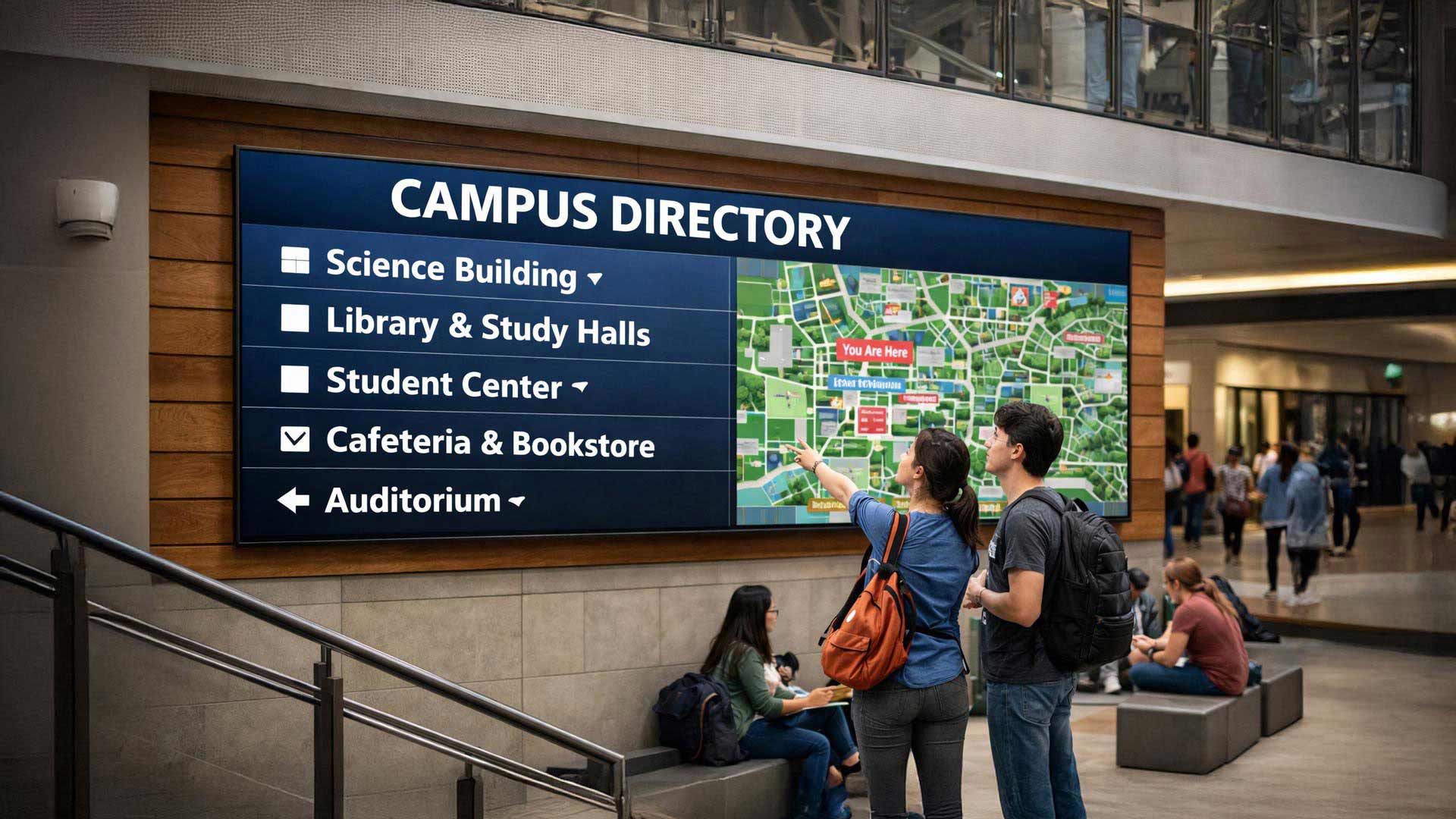
In busy shared spaces, LED panels help universities deliver updates, schedules, announcements, and emergency messages with speed and clarity. Their wide viewing angles and automatic brightness adjustment make content easy to read throughout the day, even in challenging lighting conditions.
These areas also benefit from flexible content management. Universities can rotate social feeds, live updates, welcome messages, and event promotions through indoor LED walls without relying on outdated printed materials.
Auditoriums, Lecture Halls, and Academic Event Spaces
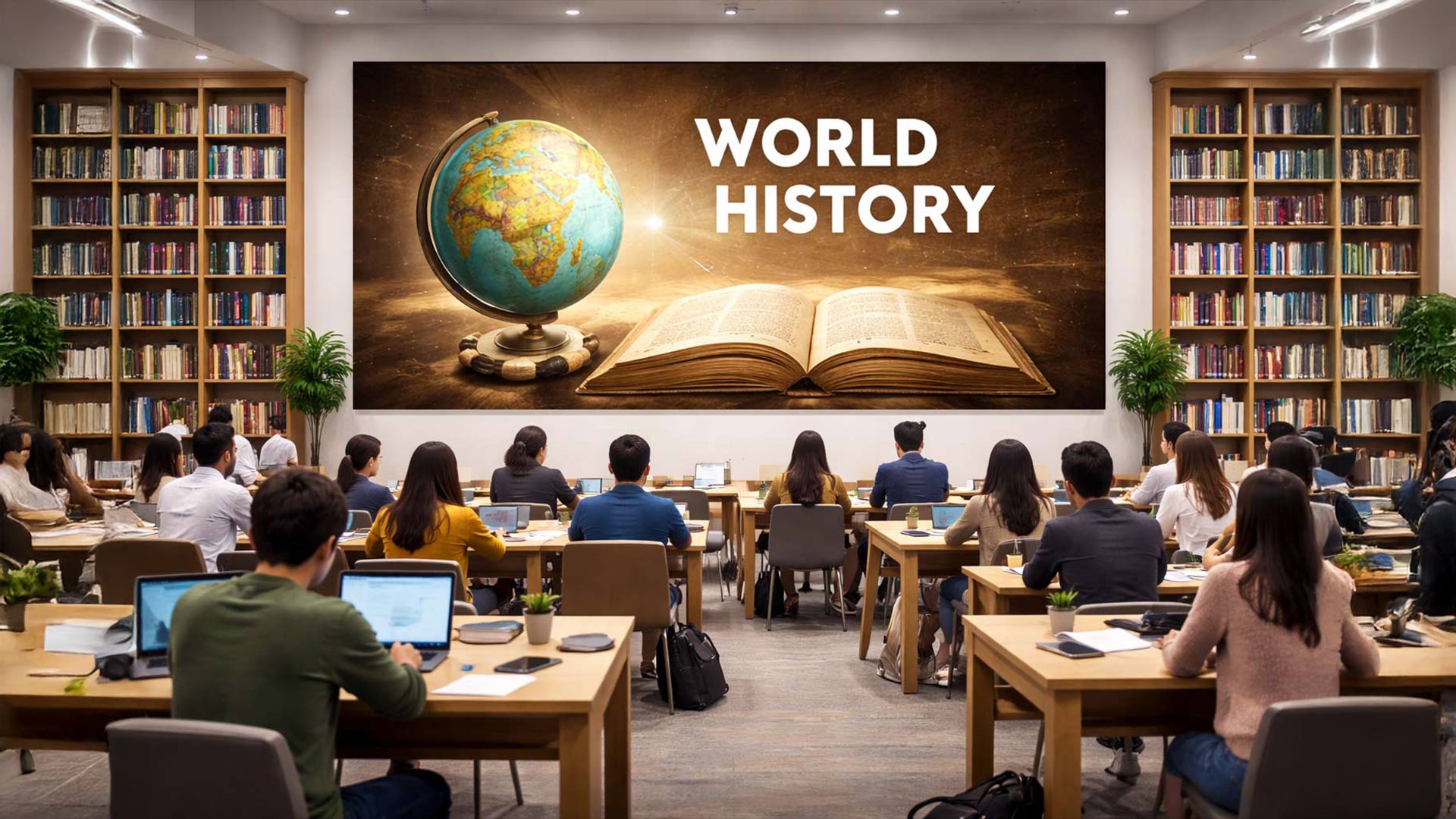
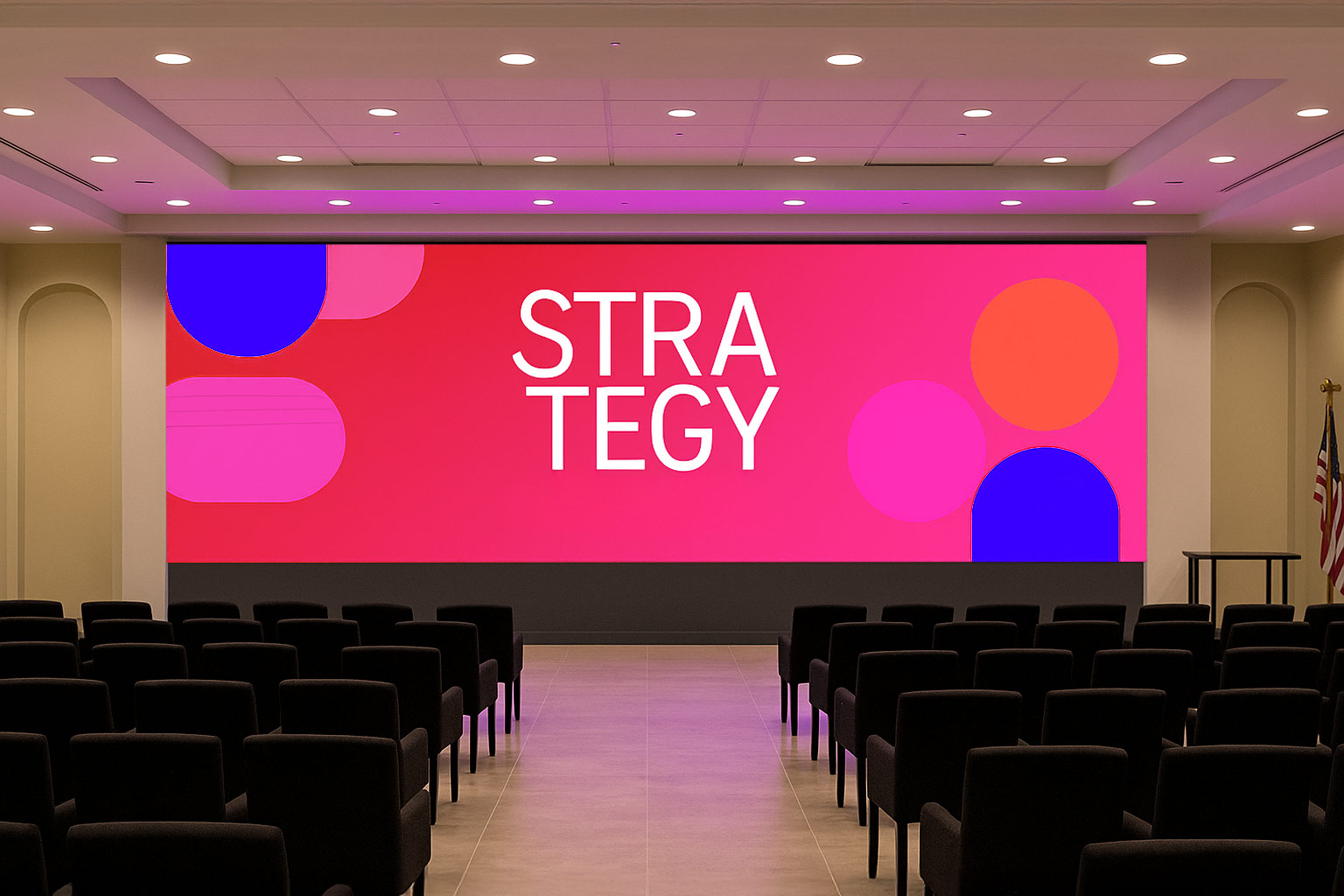
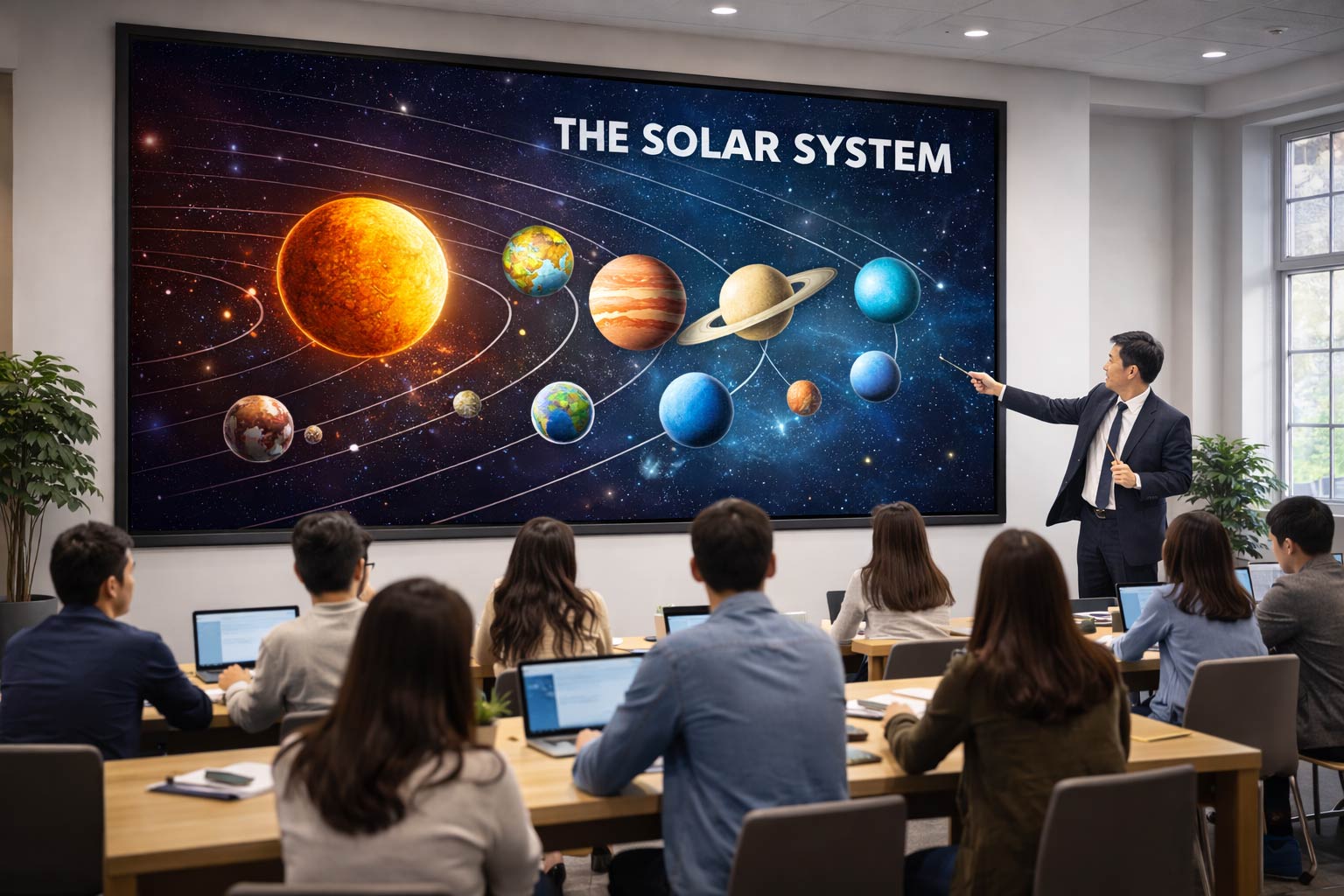
In lecture halls and event venues, visual clarity matters. LED video walls allow students and guests to see presentations, videos, and detailed graphics clearly from different seating positions.
High resolution and smooth playback support a better viewing experience during lectures, conferences, ceremonies, and live-streamed events. LED display panels also integrate well with common presentation systems, making transitions between speakers more efficient.
Athletic Facilities and Sports Programs
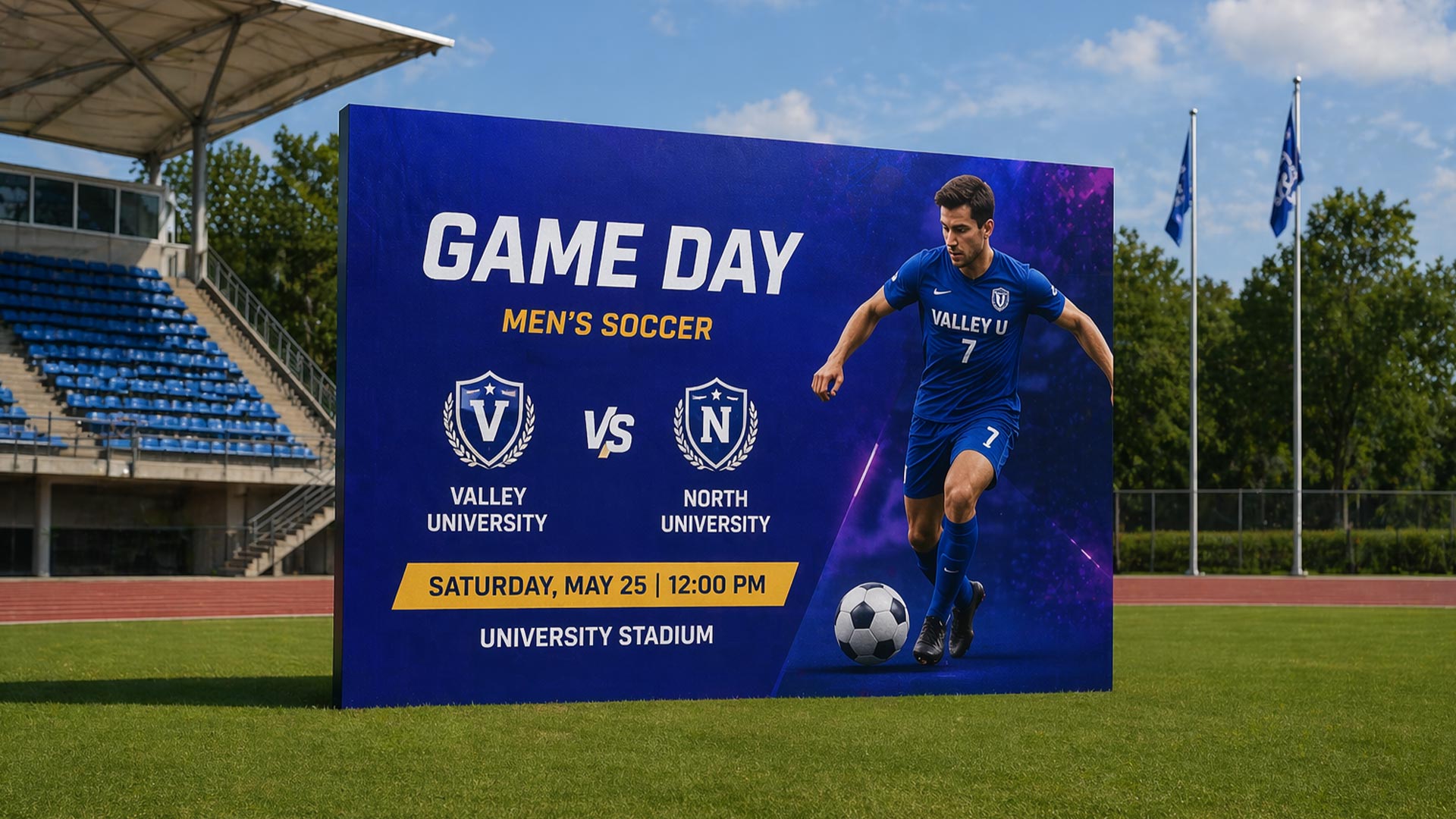
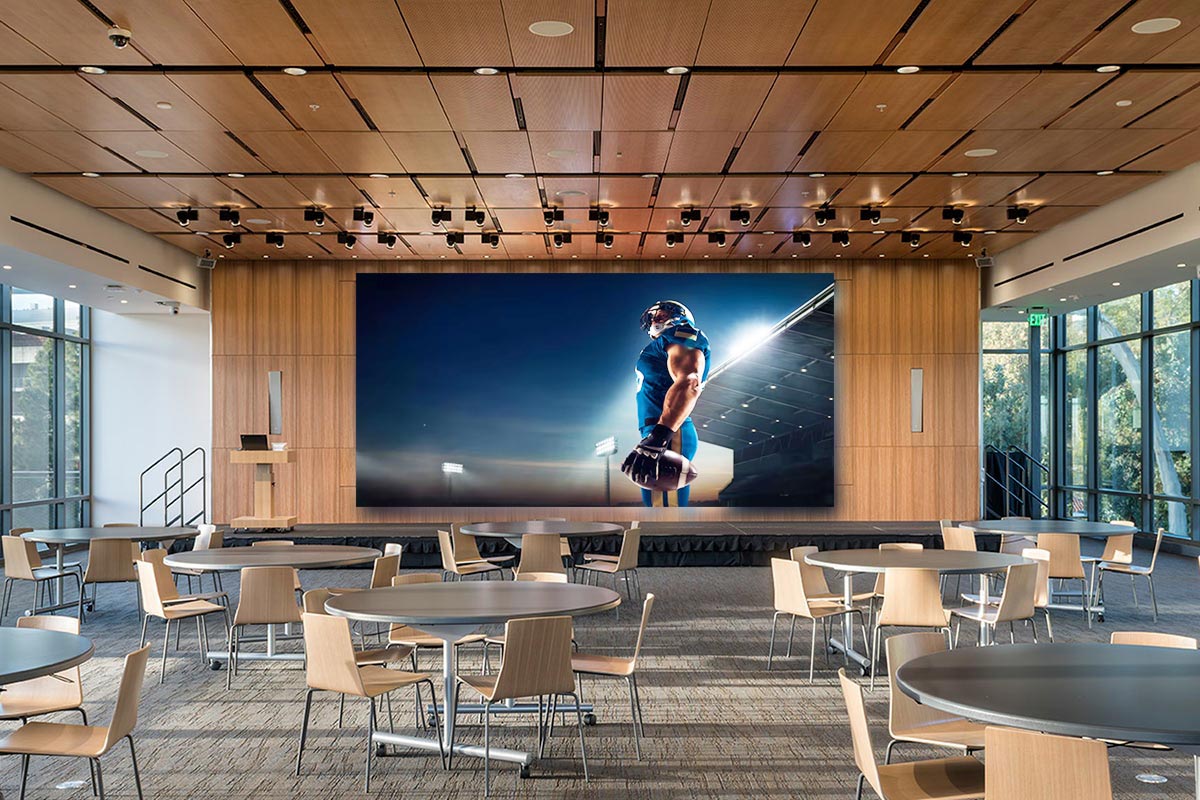
Athletic spaces require durable, high-impact visual tools. LED screens can support scoreboards, replay content, sponsor messaging, and game-day branding while helping programs create a stronger fan experience.
They also make a strong impression on recruits and visitors. Well-executed LED displays in sports facilities reflect investment, energy, and institutional pride.
Outdoor Campus Spaces and Public-Facing Areas
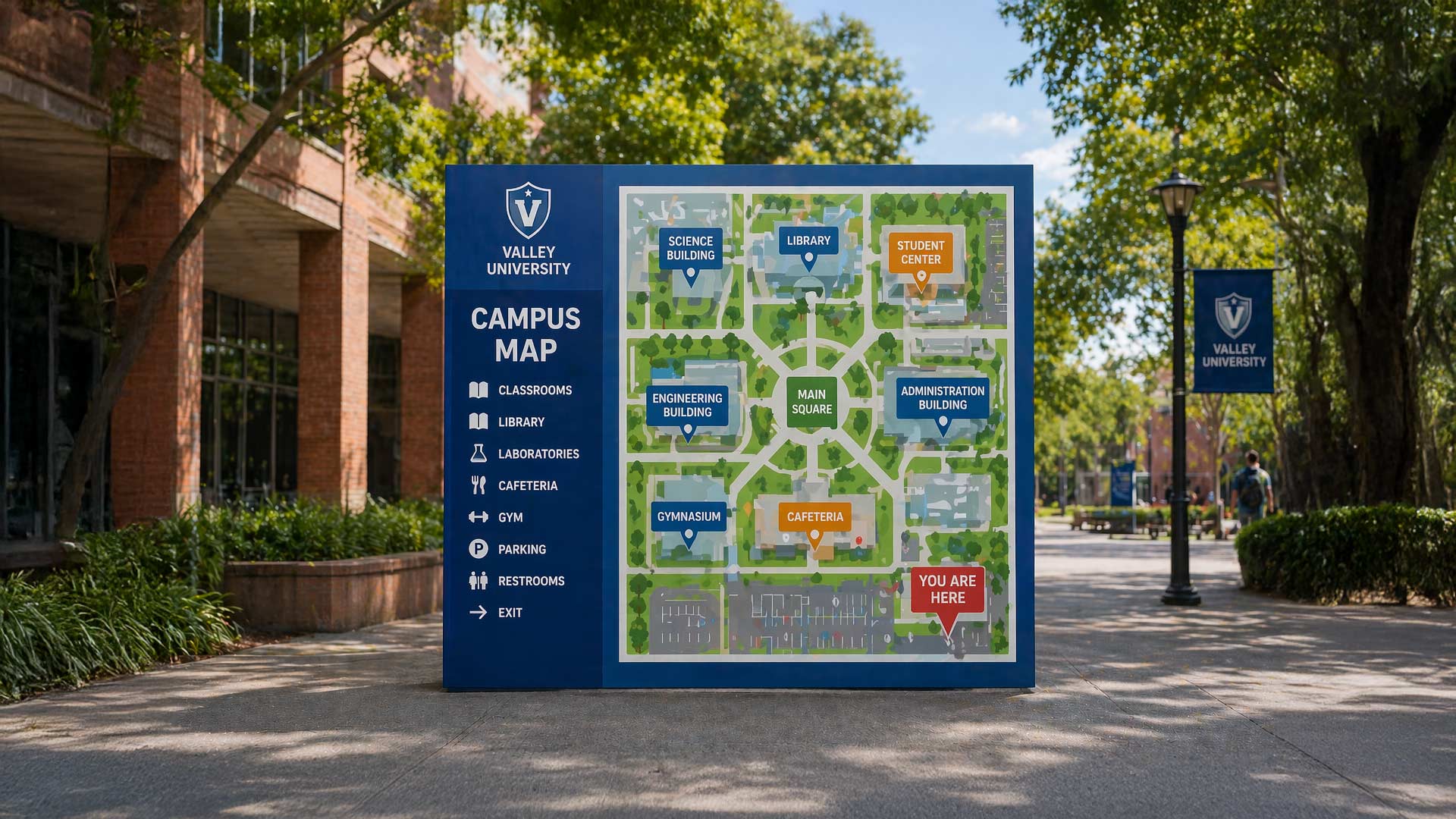
Communication does not stop indoors. Entrances, plazas, and stadium exteriors are ideal locations for outdoor LED walls that guide visitors, promote events, and strengthen public-facing branding.
For these applications, weather resistance and brightness are essential. Properly specified LED walls remain visible in sunlight and dependable in changing outdoor conditions, helping universities maintain clear communication beyond the classroom.
Why Universities Are Rethinking Campus Communication Through LED Screens
Universities are managing more information, across more spaces, for more audiences than ever before. That shift has turned campus communication into a full-scale visual ecosystem, not a collection of isolated signs.
A Campus Is Now a Communication Ecosystem
Today’s campuses include admissions buildings, libraries, dining areas, athletic venues, and multipurpose event spaces. To communicate effectively across that network, institutions need systems that are fast, visible, and easy to manage.
LED video walls support centralized communication by allowing teams to update messaging across multiple locations quickly. That level of control is far more effective than relying on scattered printed signage or disconnected displays.
Modern Students Expect More Dynamic Visual Experiences
Students are used to fast, visual communication. Static posters often fade into the background, while LED screens are better suited to the way people now consume information.
With strong image quality and motion-based content, LED display panels help universities present information in a format that feels current while still maintaining a professional look.
Institutional Image Also Matters to Donors, Visitors, and Partners
Campus technology sends a message before anyone says a word. Modern visual infrastructure suggests organization, innovation, and long-term planning, especially during tours, public events, and donor visits.
LED displays can help reinforce that impression. When used well, they support a more polished environment and strengthen how the university is perceived by external audiences.
What Universities Really Gain Beyond the LED Panel
The real value of these systems is not only technical. Universities benefit from better communication, stronger engagement, and longer-term efficiency when the system is planned correctly.
Faster, More Centralized Communication
On large campuses, updating information across departments can be slow and inconsistent. LED wall products simplify that process by allowing teams to manage content from one place and update messages in seconds.
That makes them useful for daily announcements, live event coverage, emergency notices, and scheduled campaigns. LED panels support a communication structure that is faster and easier to maintain over time.
Better Engagement With Students and Campus Visitors
Movement, scale, and visibility make a difference. LED displays naturally attract more attention than static signage, which helps messages stand out in high-traffic environments.
When brightness and contrast are configured properly, LED screens remain readable in both indoor and outdoor settings. That consistency improves the experience for students, staff, and visitors moving through campus.
A Stronger Return on Long-Term Investment
A university’s return comes from more than one source. First, LED display panels reduce dependence on printed materials and temporary signage. Second, they can create opportunities for sponsor visibility during athletic events, fairs, and public programs.
There is also long-term value in serviceability and durability. Front-access maintenance, dependable components, and extended coverage help LED solutions remain practical investments for years.
Choosing the Right Partner for a University LED Upgrade
A university upgrade requires more than equipment. It requires planning, reliability, and a partner that understands complex institutional environments.
At American LED Screens (ALS), we understand that every installed pixel should support the university’s educational goals and day-to-day operations.
Experience Matters in Complex Institutional Projects
Universities present unique challenges, from historic buildings to dense traffic flow and tight installation windows. A qualified partner should know how to recommend the right LED panels for each environment while protecting campus operations and aesthetics.
That includes evaluating viewing distance, content goals, installation conditions, and long-term usability across different spaces.
Support, Service, and Product Quality Should All Work Together
For universities, reliability is critical. A failure during a commencement ceremony, major lecture, or game-day event can damage both operations and perception.
That is why product quality, service support, and planning should work together. Long warranties, dependable components, and responsive technical guidance give institutions more confidence in their investment.
The Best Results Come From Strategic Guidance
The most successful projects are built around use case, not guesswork. A strong partner looks at the campus as a whole and recommends the right combination of LED video walls based on visibility, durability, and content needs.
With the right strategy, universities can turn visual communication into a genuine advantage: clearer messaging, stronger branding, and a more modern campus experience. Working with American LED Screens means partnering with a team that turns a technical requirement into a strategic advantage, helping ensure that every dollar invested leads to clearer communication, a stronger institutional image, and a more connected campus community.
Get everything you need